Ukraine-Russia Peace Talks: Decoding the Miami Negotiations and Prospects for 2024
The possibility of direct talks between Ukraine and Russia, perhaps mediated by the United States, has resurfaced. recent diplomatic activity in Miami, involving representatives from both warring nations alongside European and American officials, has sparked cautious optimism – and immediate denial from the Kremlin. But what’s really happening behind closed doors, and what are the realistic chances of a breakthrough in the conflict as we head into 2024? This article breaks down the current situation, analyzes the key players, and assesses the path forward.
The Miami Meetings: A shift in Diplomacy?
Ukrainian President Volodymyr Zelensky revealed that Washington proposed a trilateral negotiation format. This would represent the first face-to-face discussions between Ukrainian and Russian officials in approximately six months. However, Zelensky expressed understandable skepticism about achieving meaningful progress through such a format.
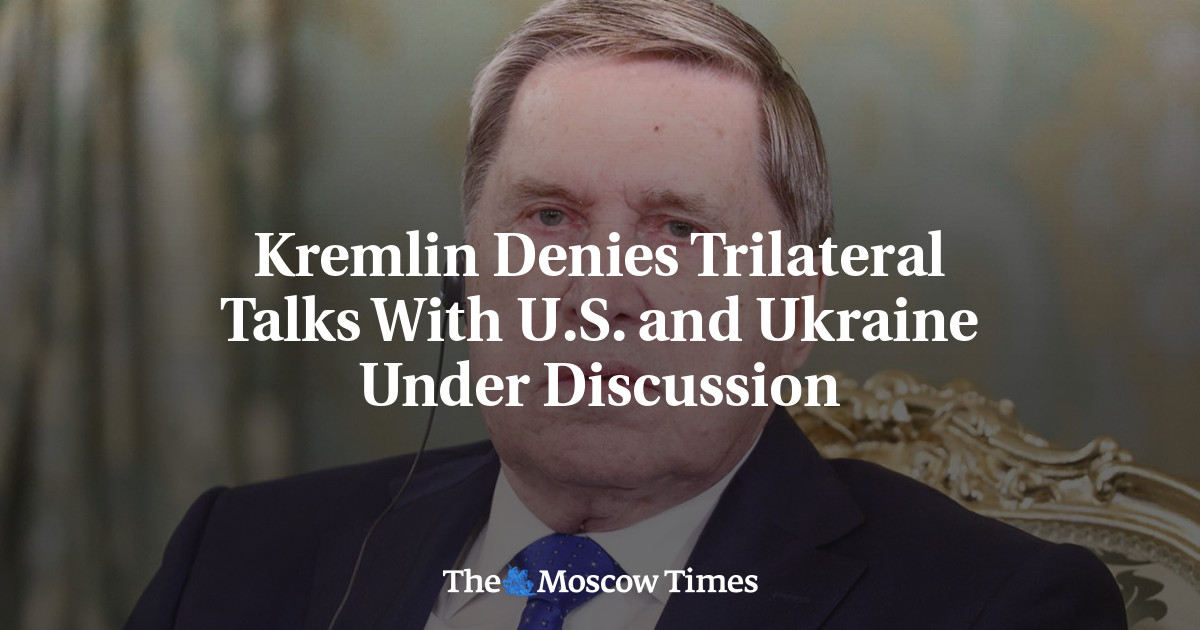
the Kremlin swiftly denied any serious consideration of these talks. Kremlin foreign policy advisor Yury Ushakov stated that, to his knowledge, the initiative wasn’t even being prepared. This initial denial doesn’t necessarily preclude future engagement, but it highlights the deep-seated mistrust that permeates the conflict.
Key figures present in Miami included kirill Dmitriev, a top economic envoy for Vladimir Putin, alongside Ukrainian and European delegations. The talks were facilitated by Steve Witkoff, the White House special envoy, and jared Kushner, former President Trump’s son-in-law. Dmitriev has as returned to Moscow to brief Russian officials on the discussions.
Why Now? Understanding the Timing
The timing of these potential talks is crucial. The conflict is approaching its fourth anniversary, with no clear end in sight. Ukraine continues to face relentless attacks, as evidenced by Zelensky’s recent report of over 1,300 drone and missile strikes in a single week, particularly impacting the southern regions like Odesa.
Several factors likely contributed to the renewed push for negotiations:
* Stalemate on the Battlefield: Neither side has achieved a decisive military victory, leading to a grinding war of attrition.
* Winter Conditions: The onset of winter typically slows down military operations, creating a window for diplomatic efforts.
* International Pressure: Growing fatigue among Western allies and a desire to de-escalate the conflict are putting pressure on both sides to explore diplomatic solutions.
* Shifting Diplomatic Landscape: The presence of both Russian and European representatives signals a move away from previous “shuttle diplomacy” – where intermediaries carried messages between parties.
Obstacles to Peace: Deep-Rooted distrust and Conflicting Goals
Despite the potential for dialog, important obstacles remain. Deep mistrust between Ukraine and Russia is arguably the biggest hurdle. The last direct negotiations, held in Istanbul in july, resulted in prisoner exchanges but failed to yield any ample progress toward ending the invasion.
Moscow has also voiced concerns about European involvement,suggesting it complicates the negotiation process. However,the Kremlin indicated Putin remains open to speaking with French President Emmanuel Macron – a statement welcomed by Macron’s office. This suggests a willingness to engage, albeit selectively.
Here’s a breakdown of the core challenges:
* Territorial Disputes: Ukraine insists on the full restoration of its territorial integrity,including Crimea and the Donbas region. Russia, however, views these territories as rightfully belonging to Russia.
* Security Guarantees: Ukraine seeks robust security guarantees from Western powers to prevent future aggression. Russia demands assurances that NATO will not expand further eastward.
* War Crimes Accountability: Ukraine is determined to hold Russia accountable for alleged war crimes committed during the conflict. This is a non-negotiable point for manny Ukrainians.
What Does This Mean for You and the Future of the Conflict?
The situation remains fluid and unpredictable. While the Miami talks represent a potential opening for dialogue, a breakthrough is far from guaranteed. Its vital to understand that any accomplished negotiation will require significant concessions from both sides.
Here’s what you should be aware of:
* Expect a Prolonged Process: Even if talks progress, a lasting peace agreement is likely to be months, if not years, away.
* Continued Military Activity: Negotiations don’t necessarily mean a cessation of hostilities. Fighting may continue, albeit potentially at a reduced intensity.
* The Role of International Actors: The United States, Europe, and other international players will continue to play
Related reading