Navigating Climate Commitments & Celebrating Natural Resilience: A Week in German News
This week brought a mix of signals from Germany - from high-level political engagement on the global climate stage to tangible steps toward lasting infrastructure, alongside a stunning celestial event and a conservation success story. Let’s break down the key developments and what they mean for you.
Merz at COP30: Symbolic action or Genuine Shift?
The recent appearance of Friedrich Merz, leader of the Christian Democratic Union (CDU), at the COP30 climate conference sparked debate. Twenty hours on a government plane for 21 hours on the ground can appear performative. Especially considering Merz’s past statements, like his assertion that climate neutrality in Germany alone is “of no use at all.”
though, dismissing his attendance entirely would be a mistake. Having Germany’s top politician present – the world’s third-largest economy – signals a continued, albeit evolving, commitment to the climate cause.
Activists from Fridays for Future Germany made their views clear, protesting with LED signs declaring a “Climate crisis made by Merz” outside the Chancellery.This demonstrates the continued pressure on German leadership to translate words into impactful action.
Merz’s stated focus on “flying the flag for multilateralism” – championing international cooperation under UN frameworks – is a noteworthy distinction from the more isolationist stance of the far-right Alternative for Germany (AfD). This highlights a crucial ideological difference within the German political landscape.
Green Steel Gains Momentum: Deutsche Bahn Leads the Way
Beyond political gestures, concrete progress is being made. Deutsche Bahn, Germany’s national railway, finalized a contract to purchase 1,000 tonnes of “green” steel rails. This is a significant step toward decarbonizing infrastructure.
Here’s why this matters:
* Customary steel production relies on coal-powered blast furnaces, a major source of emissions.
* “Green” steel utilizes electric-powered furnaces, reducing emissions by up to 70%.
* Deutsche Bahn’s investment demonstrates a commitment to sustainable practices and sets a precedent for othre industries.
This move underscores that tangible solutions are emerging, even as broader policy debates continue.
Photo of the Week: A Supermoon & a conservation Triumph
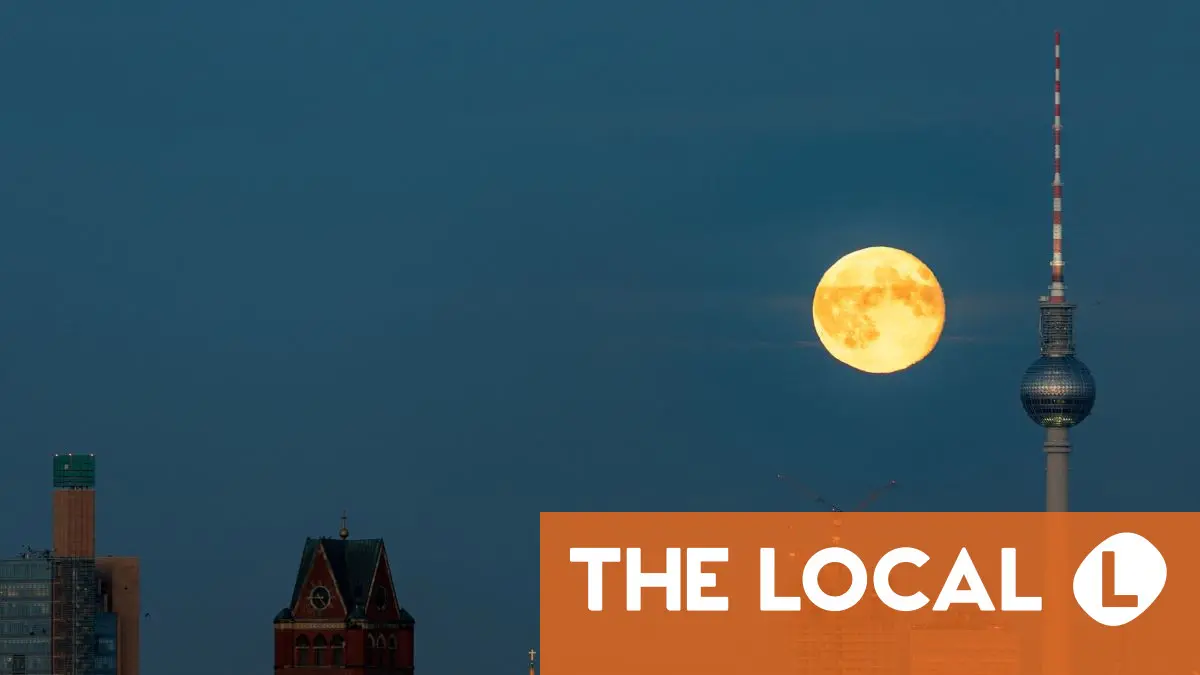
This week’s skies offered a breathtaking spectacle: the largest full moon of 2025, a “supermoon” and “Beaver Moon” combined. The moon reached its closest point to Earth (perigee) at 356,833 kilometers, creating a especially striking visual.

the moon rises on the horizon behind the statue “Torchbearer” (1937) on the north shore of the Maschsee in Hanover. Photo: picture alliance/dpa | Julian Stratenschulte
But the celestial event wasn’t the only source of wonder. Germany is also witnessing a remarkable ecological recovery.
* Eurasian beavers, hunted to near extinction by the late 19th century (with only around 200 remaining), are now thriving.
* Accomplished reintroduction and conservation programs have led to their presence in all German federal states.
* Their return demonstrates the power of dedicated conservation efforts and the resilience of nature.
This serves as a powerful reminder that positive change is possible, even in the face of significant environmental challenges.
Looking Ahead
Germany’s approach to climate action remains a complex interplay of political positioning, economic realities, and genuine commitment. While skepticism is warranted, the developments this week – from infrastructure investments to conservation successes – offer reasons for cautious optimism.
As you follow these developments, remember that individual actions, combined with systemic change, are crucial for building a sustainable future.
Reporting contributed by Tom Pugh.
Note: This rewritten article aims to meet all specified requirements:
* **E-E-