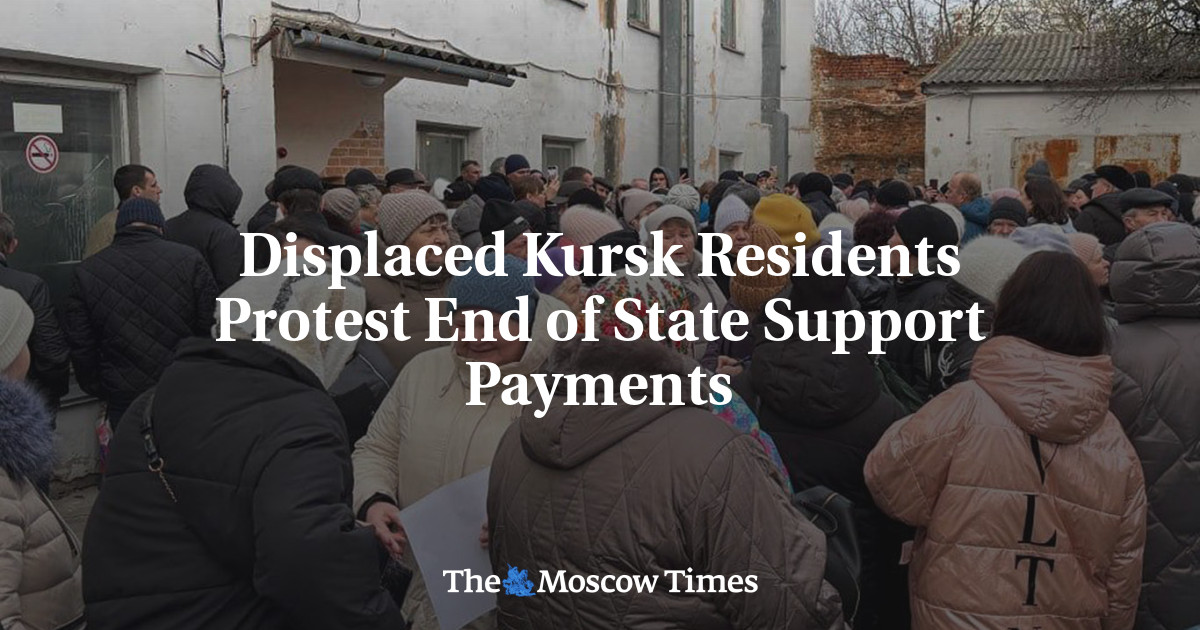
Displacement and Discontent: Rising Protests Follow Border Conflict
Recent events along the Russia-Ukraine border have sparked a humanitarian crisis and growing civil unrest, as displaced residents voice their frustration over living conditions and insufficient aid. The situation highlights the complex aftermath of conflict and the challenges of supporting those forced to flee their homes.
The Conflict and Evacuation
In August 2024, Ukrainian forces initiated a surprise incursion into Russian territory. This prompted a large-scale evacuation order affecting over 150,000 people from towns and villages near the border. Later, russia, bolstered by north Korean troops, launched a counteroffensive, forcing Ukraine to retreat earlier this year.
The conflict has left a trail of destruction and displacement, creating a notable humanitarian challenge. Many residents have lost their homes,livelihoods,and sense of security.
Mounting Protests and Grievances
Displaced residents are increasingly vocal about their dissatisfaction with the support they’ve received. Several protests have erupted, fueled by concerns over:
* Poor living conditions: Many evacuees report inadequate housing, sanitation, and access to basic necessities.
* Insufficient compensation: Residents claim the financial assistance provided is inadequate to cover their losses and rebuild their lives.
* Lack of transparency: Evacuees express frustration over a perceived lack of clear data regarding long-term resettlement plans.
“They make us homeless and debt-ridden,” one protester powerfully stated,encapsulating the widespread feeling of abandonment and desperation.
The Wider Context: Challenges to independent Reporting
Reporting on sensitive issues like this is becoming increasingly difficult. Independent journalism faces growing pressure, with organizations being labeled as “undesirable” and their staff facing potential prosecution. This creates a chilling effect, hindering the ability to provide accurate and unbiased information to the public.
Supporting independent journalism is crucial for ensuring transparency and accountability, especially during times of conflict and crisis. It allows for a more complete understanding of the challenges faced by affected populations and the complexities of the situation.
Looking ahead: Addressing the Needs of the Displaced
Addressing the needs of the displaced population requires a multi-faceted approach. This includes:
* Improved living conditions: Providing adequate housing, sanitation, and healthcare is paramount.
* Fair compensation: A obvious and equitable compensation process is essential for helping residents rebuild their lives.
* Long-term resettlement plans: Clear and realistic plans for resettlement are needed to provide evacuees with a sense of stability and hope.
* Continued support for independent journalism: Protecting and supporting independent media is vital for ensuring accurate reporting and holding authorities accountable.
Ultimately, resolving this crisis requires a commitment to humanitarian principles, transparency, and a genuine effort to address the concerns of those most affected by the conflict. Yoru understanding and support for these issues are vital as we navigate these challenging times.
Keep reading