Los Angeles Immigration Arrests Surge: A Deep Dive into DHS Enforcement & California’s Response
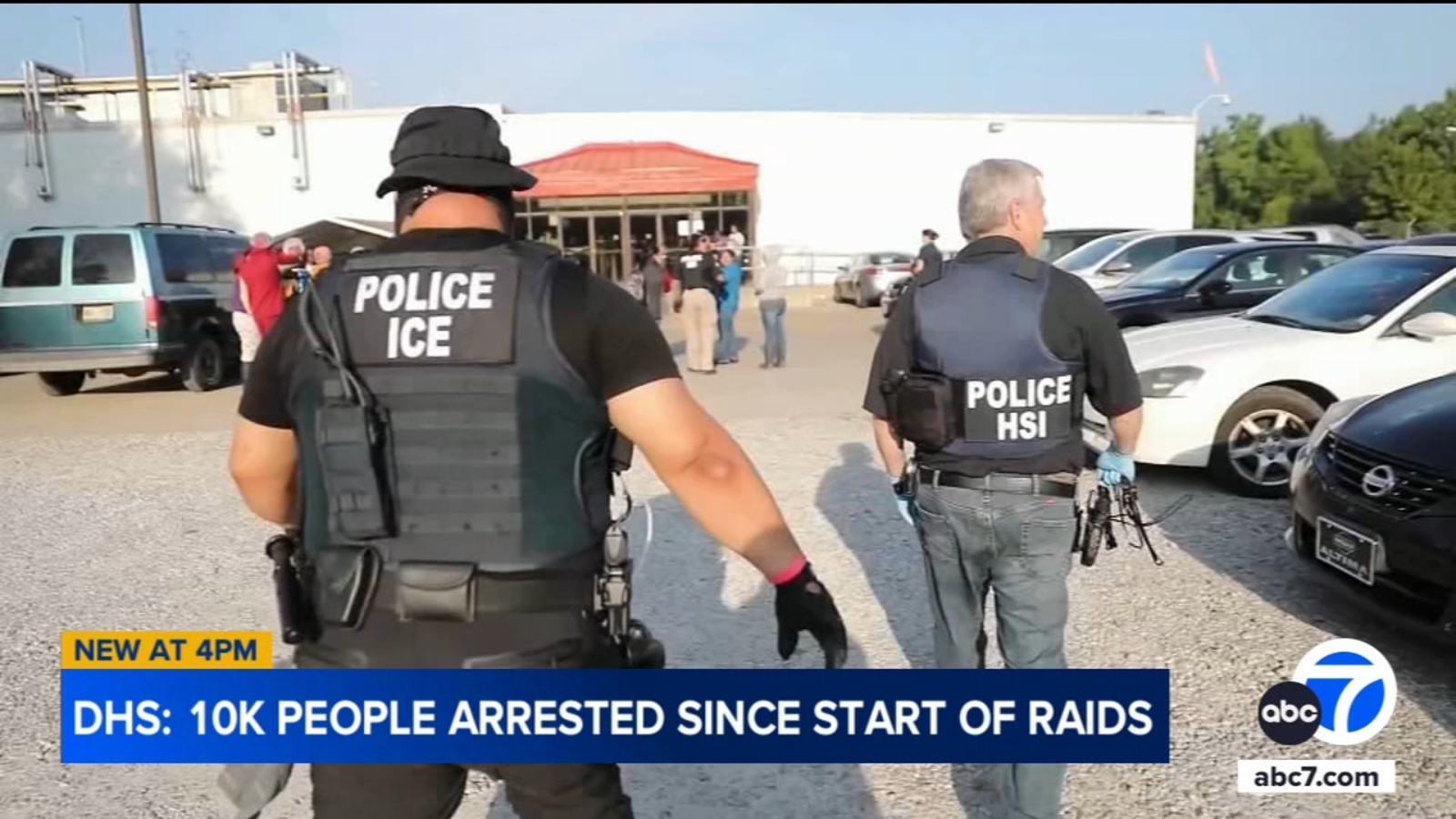
Recent data reveals a significant increase in immigration arrests in Los Angeles, sparking debate adn raising concerns about the impact on communities. The Department of Homeland Security (DHS) reports over 10,000 arrests as June, a figure that underscores a heightened level of enforcement activity. But what’s driving this surge,and what does it mean for those affected? This article provides a comprehensive overview of the situation,examining the data,the political context,and the potential consequences.
The initial wave of enforcement began in June and has continued, albeit with fluctuating arrest numbers due to ongoing legal challenges. Understanding the scope of these operations is crucial. Are you concerned about how these increased enforcement efforts might impact your community or family?
Tracking the Numbers: What the Data Reveals
Data compiled by TRAC (Transactional Records Access Clearinghouse) at Syracuse University, obtained through Freedom of information Act requests, paints a detailed picture. Between June and September,approximately 7,000 individuals were arrested in Los Angeles. While TRAC currently lacks data for October, November, and December, projections based on the earlier trends suggest the total arrests exceeding 10,000 is highly probable.
This level of activity represents a ample increase compared to previous years. According to a recent report by the American Immigration Council, deportations in California had been declining prior to this surge, highlighting a significant shift in enforcement priorities. This shift is fueled by evolving federal policies and a renewed focus on border security and interior enforcement.
The Political Backlash & California’s Stance
The DHS has been vocal in its criticism of California’s leadership, specifically Governor Gavin Newsom and Los Angeles Mayor Karen Bass, accusing them of failing to adequately support federal enforcement efforts. This criticism stems from California’s sanctuary state policies, which limit cooperation between state and local law enforcement and federal immigration authorities.
These policies, enacted to protect undocumented immigrants from deportation, have become a point of contention. The DHS argues that these policies obstruct their ability to remove individuals who pose a threat to public safety. However, advocates for immigrant rights maintain that these policies are essential for fostering trust between communities and law enforcement.
Understanding the Arrests: Who is Being targeted?
While DHS hasn’t released a detailed breakdown of the arrests, available data suggests a broad range of individuals are being targeted. This includes those with prior criminal convictions, as well as individuals with no criminal record who are simply in the country without authorization.
* Criminal Aliens: Individuals with convictions for felonies or misdemeanors.
* Immigration Violations: Those who have overstayed their visas or entered the country illegally.
* National Security Concerns: Though less frequent, individuals flagged as potential threats to national security.
The focus on both criminal and non-criminal immigrants has raised concerns about the potential for separating families and disrupting communities. The impact extends beyond those directly arrested,affecting their families,employers,and local economies.
What are the potential Consequences?
The increased immigration enforcement in Los Angeles has several potential consequences:
* Increased Deportations: A direct result of the heightened enforcement activity.
* **Family Separation
Worth a look