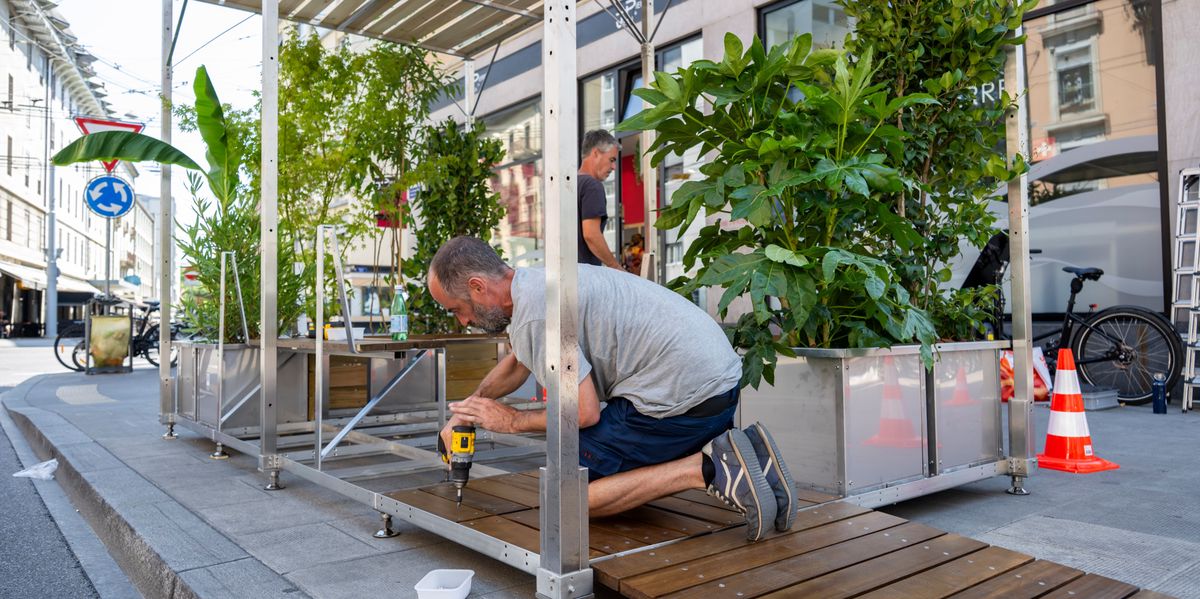
Urban planners and local authorities in Geneva are accelerating climate adaptation measures as summer temperatures climb, focusing heavily on vulnerable urban neighborhoods like La Jonction. To combat the severe urban heat island effect, the district is integrating new cooling oases, green spaces, and shaded pathways designed to lower ambient temperatures for residents.
According to municipal reports and environmental planning documents from the City of Geneva, these interventions aim to protect public health during intense heatwaves while improving overall neighborhood livability. Urban microclimates present distinct challenges in densely built environments where asphalt and concrete absorb and re-emit solar radiation long after sunset.
The transformation of La Jonction reflects a broader municipal strategy across Switzerland’s urban centers to redesign public squares and transit corridors. By replacing impermeable surfaces with vegetation and water features, city officials are working to mitigate the physical risks associated with prolonged high temperatures, particularly for elderly residents and children.
Combating the Urban Heat Island Effect at La Jonction
La Jonction sits at the confluence of the Rhone and Arve rivers, a geographic position that provides natural ventilation but historically leaves certain interior streetscapes exposed to intense solar glare. Recent urban design initiatives emphasize expanding the urban tree canopy, installing misting stations, and constructing accessible water features that double as recreational zones and thermal refuges.
Urban climatology studies cited by environmental agencies indicate that well-planted cooling oases can reduce local surface temperatures by several degrees Celsius compared to surrounding asphalt-heavy districts. City planners have prioritized high-traffic pedestrian zones, bus stops, and school perimeters for these targeted vegetation projects, ensuring that daily commuters and students benefit directly from the shade.
In addition to planting mature trees that offer immediate canopy cover, landscape architects are utilizing specialized permeable paving materials. These surfaces allow rainwater to infiltrate the soil, sustaining root systems during dry spells and cooling the surrounding air through natural evaporation.
Public Health Priorities and Community Impact
Extreme heat events pose serious public health challenges across Western Europe, driving increased hospital admissions and placing strain on emergency medical services. Local health authorities emphasize that urban cooling infrastructure is no longer merely an aesthetic enhancement, but a critical preventive healthcare measure.
Neighborhood associations in Geneva have actively participated in consultative workshops regarding the placement of new benches, water fountains, and green pockets. Ensuring equitable access to cool public spaces within a ten-minute walk of every residence remains a primary benchmark for municipal project managers overseeing the district upgrades.
Public health campaigns accompanying the physical transformations provide residents with practical guidance on identifying heat-related illnesses and locating designated cooling zones during red-alert temperature warnings issued by federal meteorological services.
Next Steps in Geneva’s Climate Resilience Agenda
The municipal council has scheduled subsequent project phases for neighboring sectors, with continuous monitoring of temperature drops and pedestrian footfall across the newly completed sites. Technical evaluations will determine the long-term effectiveness of the installed vegetation and water installations ahead of future summer seasons.
Residents seeking detailed maps of local cooling oases, drinking water fountains, and municipal shade corridors can consult the official public portals provided by the City of Geneva. We invite our readers to share their thoughts or experiences regarding urban greening initiatives in the comments below.
Worth a look