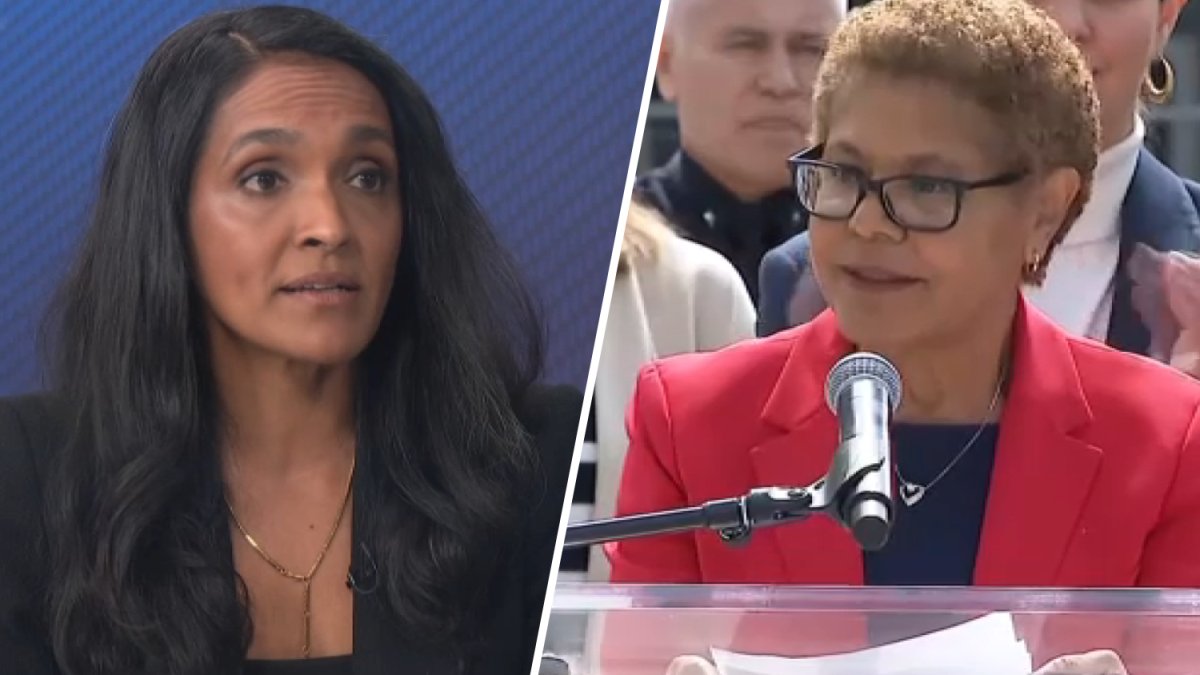
Los Angeles Mayor Karen Bass faces a complex political landscape heading into the November general election, as recent primary results and shifts in voter sentiment underscore a growing appetite for change among the electorate. While Mayor Bass secured a first-place finish in the primary, her failure to win the contest outright has prompted intense scrutiny regarding her campaign’s strategy and the broader influence of progressive movements in major U.S. cities.
The upcoming general election will feature a contest between Mayor Bass and City Councilwoman Nithya Raman. This runoff follows a primary in which Mayor Bass received approximately 15% more votes than Councilwoman Raman, according to local election data reported by NBC Los Angeles. Despite the lead, political analysts note that the incumbent’s inability to clear the field in the initial round marks a significant departure from historical trends in Los Angeles mayoral politics.
The Impact of Progressive Wins on Local Dynamics
The success of progressive candidates in recent U.S. House primaries in New York has sparked a debate among political observers about whether a similar “anti-establishment” wave could influence the Los Angeles mayoral race. Dr. Fernando Guerra, a political science professor at Loyola Marymount University, suggests that voters across the country are increasingly signaling dissatisfaction with existing leadership.
“To me, it’s very clear: voters in blue states and also in red states are concerned about the establishment,” Dr. Guerra said in an interview with NBC Los Angeles. He noted that the trend of challengers defeating incumbents is a recurring theme in major metropolitan areas, including New York and Seattle, as residents grapple with rising costs of living and concerns regarding the quality of life.
Melanie Mason, California bureau chief for POLITICO, observes that while Councilwoman Raman has served on the City Council since 2020, her status as a challenger to an incumbent mayor allows her to position herself as a catalyst for new energy. “I think it remains to be seen how much she leans into the DSA (Democratic Socialists of America), but I think it’s absolutely predictable that she’s going to lean into the anti-establishment, I’m-the-change-agent, I’m-the-new-face kind of messaging,” Mason stated.
Strategic Shifts in the Bass Campaign
In response to the tightening race, the Bass campaign has initiated structural changes to its leadership team. The campaign recently announced the appointment of Julie Chávez Rodríguez as a key strategist, following the departure of Senior Strategist Doug Herman. Chávez Rodríguez, who previously managed campaigns for President Joe Biden and Vice President Kamala Harris, brings significant experience in voter mobilization, particularly within Latino communities.
According to campaign statements, Chávez Rodríguez previously led the “Unidos for Karen Bass 2026” independent expenditure effort, which focused on increasing voter turnout during the June primary. As the granddaughter of labor leader César Chávez, her background in community organizing is being leveraged to solidify the mayor’s support base. Analysts view this move as an admission that the current political environment requires a more aggressive approach to distinguish the mayor’s record from that of her challenger.
Navigating the Progressive Spectrum
The ideological divide within the Democratic Party further complicates the race. Unlike some progressive candidates in other regions, Councilwoman Raman has occasionally diverged from the platform of the Democratic Socialists of America. Furthermore, she has faced criticism from some segments of the progressive wing for her recent public denouncement of “defund the police” policies.
This nuance is reflected in the endorsements Mayor Bass has received from other prominent progressive members of the Los Angeles City Council, including Eunisses Hernandez and Ysabel Jurado. These endorsements suggest that the “progressive” label in Los Angeles is not monolithic, and that local policy records often carry more weight than national party affiliations. As the November election approaches, the ability of both candidates to navigate these internal party dynamics will likely prove decisive.
The next major milestone in the election cycle will be the final voter turnout in November. Voters seeking official information on polling locations, registration, or candidate platforms can visit the Los Angeles County Registrar-Recorder/County Clerk website for verified updates.
Keep reading