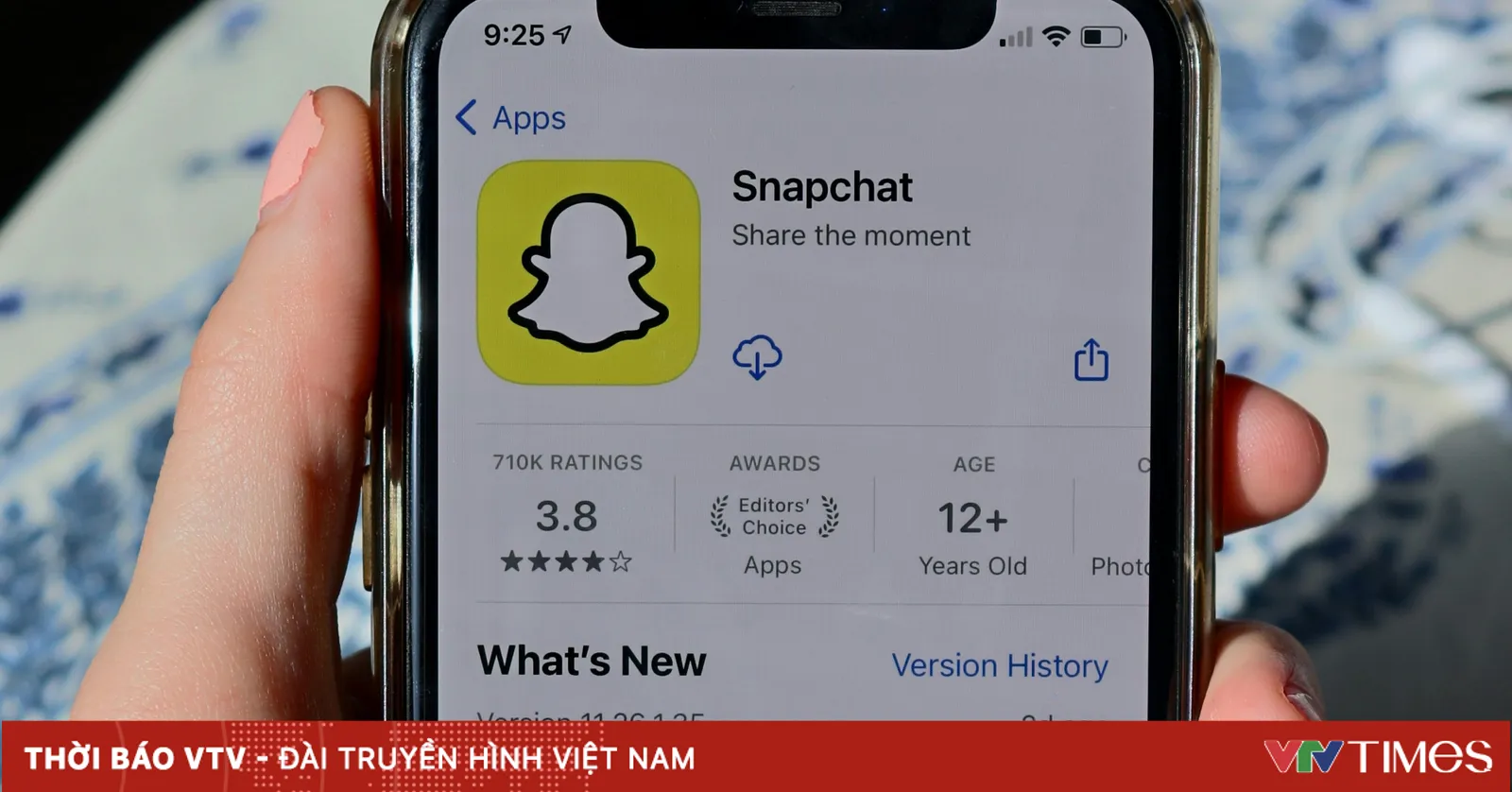
Snap Inc., the parent company of the social media application Snapchat, is currently facing multiple legal challenges regarding allegations that its platform facilitates the illicit sale of controlled substances to minors. These lawsuits, filed by families and school districts across the United States, assert that the application’s design features—specifically disappearing messages and location-sharing tools—create an environment that hinders parental oversight and law enforcement intervention. According to court filings in various jurisdictions, plaintiffs argue that the company has failed to implement sufficient safeguards to prevent drug-related transactions involving youth.
The legal pressure on Snap Inc. reflects a broader scrutiny of social media companies under the Communications Decency Act’s Section 230, which traditionally protects platforms from liability for user-generated content. However, plaintiffs are increasingly testing the boundaries of these protections by focusing on product design and safety features rather than the content itself. Snap Inc. has consistently denied these allegations, maintaining that it utilizes a combination of sophisticated automated moderation systems and human review teams to proactively detect and remove illegal content, including drug-related activity.
Snapchat’s Safety Measures and Content Moderation
In response to the mounting legal and public pressure, Snap Inc. has publicly detailed its efforts to combat drug trafficking on its platform. The company states that it employs advanced machine learning models to identify and disable accounts associated with the sale of illicit substances. According to the company’s official safety center portal, these technical measures are supplemented by proactive engagement with law enforcement agencies and organizations focused on digital safety. Snap reports that it now proactively detects the vast majority of drug-related content before it is reported by users, though the company has not publicly released granular data regarding the precise success rates of these automated systems.

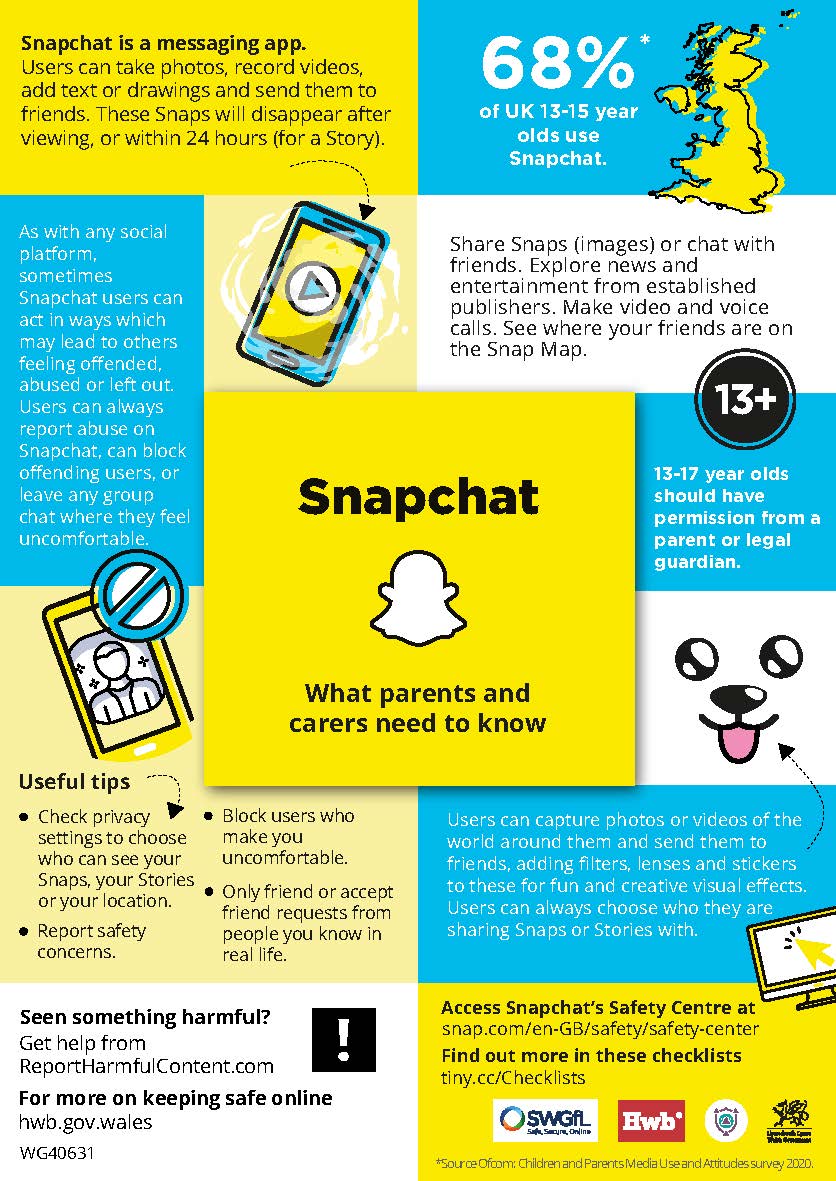
The company also emphasizes its “Family Center” feature, which allows parents to view their teens’ friend lists and message history without accessing the content of those messages. This tool was introduced in 2022 as part of a broader initiative to address concerns regarding teen safety, providing parents with more visibility into their children’s digital interactions. Despite these updates, critics and plaintiffs in pending litigation contend that such features remain insufficient to address the underlying risks posed by the platform’s ephemeral nature, which they claim encourages high-risk behavior among adolescent users.
Legal Precedents and Regulatory Challenges
The litigation against Snap Inc. is part of a larger, systemic legal battle involving major technology firms, including Meta and TikTok, regarding their impact on the mental health and safety of young users. A significant point of contention in these cases is whether the design of an algorithm or an interface constitutes a “defective product” under state law. According to reporting by Reuters, federal judges have allowed some of these lawsuits to proceed, ruling that claims focusing on the functionality of the app—rather than the speech of its users—may fall outside the scope of Section 230 immunity.
These legal developments are being closely watched by industry analysts and policymakers. If courts continue to allow these cases to move forward, it could fundamentally alter how social media companies design their platforms for younger demographics. The U.S. Department of Justice has also signaled an increased focus on the intersection of digital platforms and public safety, particularly concerning the distribution of synthetic opioids. The outcome of these cases will likely set a precedent for how technology companies are held accountable for the unintended consequences of their software features.
What Happens Next in the Litigation
As the legal proceedings continue, the next major milestones involve discovery phases where both sides will exchange internal documents, including communications regarding the development of safety features and internal risk assessments. Plaintiffs are seeking evidence that would demonstrate whether Snap Inc. was aware of the extent of drug-related activity on its platform and whether it prioritized user engagement metrics over safety interventions. These documents are often subject to protective orders, meaning public access remains limited while the cases remain active.

While no global settlement has been reached, the company continues to provide updates on its collaborations with non-profit organizations, such as the Partnership to End Addiction, to provide educational resources for families. The company’s legal team maintains that the platform is not a marketplace for drugs and that it remains committed to fostering a safe community. For families affected by these issues, the company directs users to its online safety portal for reporting tools and resources. The next scheduled hearings for several of the consolidated cases are expected to take place in late 2024, at which point the court will determine the scope of admissible evidence for potential trials.
This is a developing story. We will provide updates as new filings are made available through the court system. Please share your thoughts in the comments section below regarding the balance between platform innovation and user safety.
Worth a look