
Parkinson’s disease is a progressive neurodegenerative disorder that impacts not only the individual diagnosed but also profoundly alters the daily lives of their family members and primary caregivers. Managing the condition effectively requires a multidisciplinary approach that extends beyond pharmacological treatment, focusing heavily on physical rehabilitation and psychosocial support systems for the entire household, according to the Parkinson’s Foundation. By integrating specialized rehabilitation services with caregiver education, medical centers aim to reduce the burden of care and improve the quality of life for all parties involved.
As a physician, I have observed that the diagnosis of Parkinson’s is often described as a “family diagnosis” because the symptoms—ranging from motor impairments like tremors and bradykinesia to non-motor challenges such as cognitive fluctuations and sleep disorders—necessitate constant adaptation within the home. Research published by the World Health Organization indicates that the global prevalence of Parkinson’s disease has doubled over the past 25 years, placing an increasing demand on both public health infrastructure and family caregivers who often lack formal training in neurological support.
The Role of Specialized Rehabilitation in Managing Parkinson’s
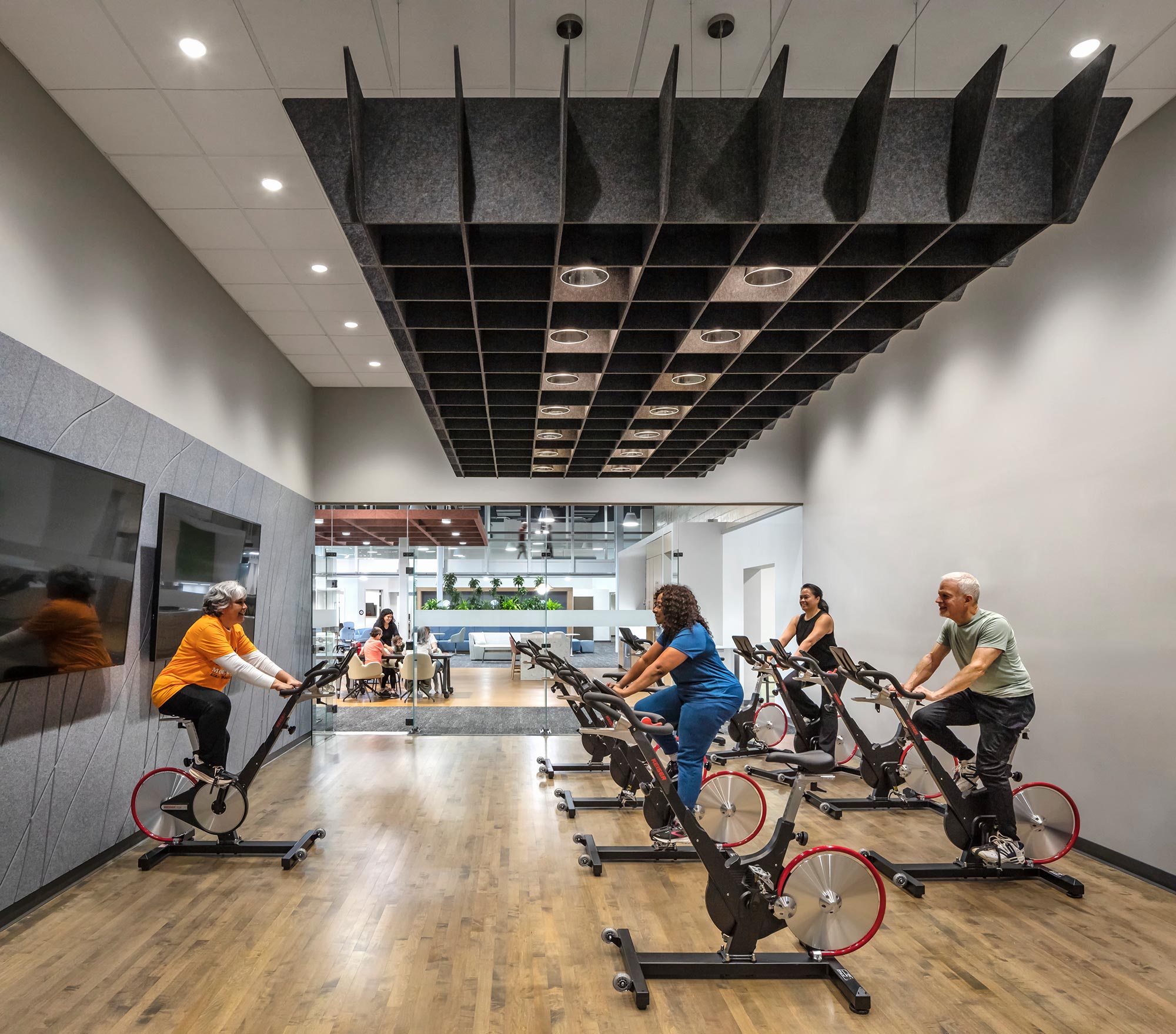
Effective management of Parkinson’s disease relies heavily on consistent, targeted physical and functional rehabilitation. Centers dedicated to neuro-rehabilitation focus on maintaining mobility, balance, and fine motor skills through structured exercise programs. According to the Mayo Clinic, physical therapy is not merely an adjunct to medication but a foundational pillar of treatment that can help patients maintain independence for longer periods.
In facilities that prioritize a holistic approach, rehabilitation is tailored to the specific stage of the disease. Early-stage patients may focus on gait training and aerobic conditioning, while those in more advanced stages benefit from speech therapy and occupational therapy designed to modify home environments for safety. These interventions are critical for preventing falls, which represent a leading cause of hospitalization for patients with Parkinson’s, as noted by the National Institute on Aging.
Supporting the Caregiver: A Necessary Health Priority
Caregiver burnout is a clinically recognized risk for those supporting a family member with a chronic neurodegenerative condition. Studies have shown that caregivers of individuals with Parkinson’s experience higher rates of depression, anxiety, and physical exhaustion compared to the general population, according to data reviewed by the National Institutes of Health. Providing families with resources, such as respite care and support groups, is essential to sustaining the primary support system of the patient.

Successful care models involve teaching families how to recognize the nuances of the disease, including the “off” periods where medication efficacy wanes. When family members are educated on the progression of the disease, they are better equipped to manage expectations and implement strategies that reduce frustration. Medical professionals emphasize that the caregiver’s health is a vital component of the patient’s overall treatment plan; if the caregiver falters, the patient’s ability to remain in a home setting is often compromised.
Practical Strategies for Families Living with Parkinson’s
Families can take several proactive steps to improve their daily experience while managing the complexities of Parkinson’s. Establishing a routine is often the most effective tool for mitigating the impact of motor fluctuations. Experts suggest that keeping a daily log of medication times and symptom occurrences can provide physicians with the data needed to optimize drug regimens during clinical follow-ups, as recommended by the Michael J. Fox Foundation.

Furthermore, structural changes within the home can significantly reduce the risk of injury and lower the stress levels of the caregiver. Simple modifications include:
- Removing tripping hazards such as area rugs and loose electrical cords.
- Installing grab bars in bathrooms and near high-use areas.
- Utilizing assistive technology or mobility aids as recommended by a physical therapist.
- Encouraging the patient to participate in social and physical activities to maintain cognitive engagement.
Future Directions in Neuro-Rehabilitation
The medical community is increasingly moving toward personalized rehabilitation plans that utilize remote monitoring and telehealth to bridge the gap between clinical visits and home care. These advancements allow specialists to track patient movement and medication adherence in real time, providing caregivers with more accurate guidance. As research continues to advance, the focus remains on integrating these technological tools with the essential human element of familial support.
Patients and their families are encouraged to consult with their primary care providers or neurologists to identify local rehabilitation centers that offer comprehensive support programs. Regular communication with the medical team is the most effective way to address the evolving needs of both the patient and the family. For the most current clinical guidelines and updates on research, families should monitor official channels such as the American Academy of Neurology or national health ministry portals.
We invite our readers to share their experiences or questions regarding Parkinson’s management in the comments section below. Your insights help foster a community of support for those navigating this challenging journey.
Keep reading