The Lasting Health Impacts of Wildfires: Beyond the Flames
Wildfires are becoming increasingly common, and their impact extends far beyond the immediate destruction of property and loss of life. Recent research highlights the meaningful and often long-lasting health consequences for those exposed, even long after the fires are extinguished. Understanding thes effects is crucial for protecting vulnerable populations and building resilient communities.
The Immediate Aftermath: Trauma and Physical Health
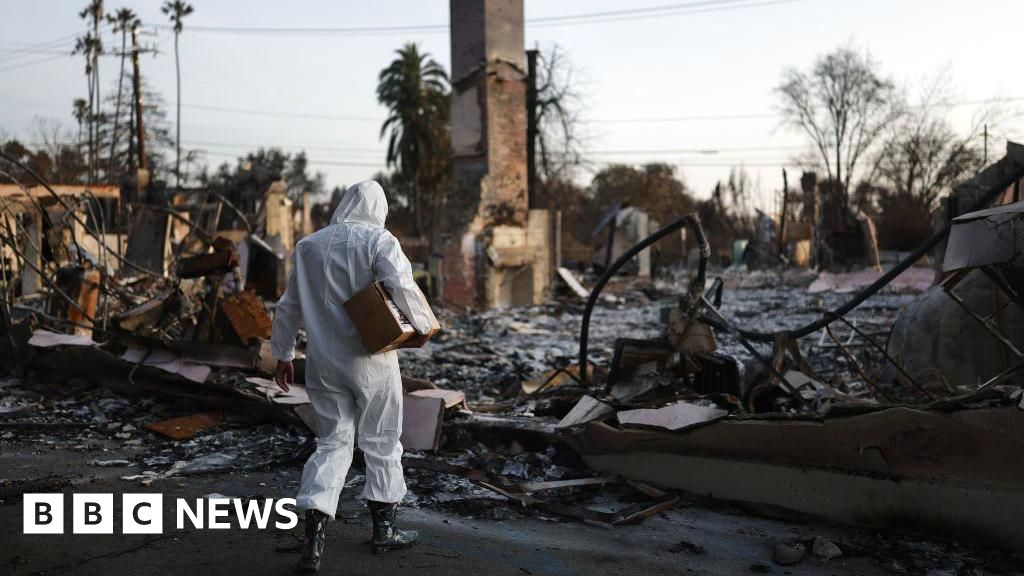
The devastation caused by wildfires, like the 2023 depression-suicide-overdose-rates-new-study/” title=”US Wildfires Linked to Increased …, Suicide & Overdose Rates | New Study”>Maui wildfires and the earlier Palisades and Eaton fires in Los Angeles, leaves deep scars.These events aren’t just about what’s lost in the flames; they trigger a cascade of health issues.
At least 102 people perished in the Maui wildfires, and over 2,000 structures were destroyed.
The Eaton and Palisades fires prompted widespread evacuations and destroyed thousands of structures in los Angeles.
Studies following these disasters reveal alarming trends. One recent study showed that 22% of adults in the Maui region experienced reduced lung function following the fires. Concurrently, half of those affected displayed symptoms of depression. These findings underscore the urgent need for sustained mental health support and ongoing clinical monitoring in the wake of climate disasters.
Moreover, data suggests a spike in crisis following wildfires. Maui experienced its highest rates of suicide and drug overdose in the month following the 2023 wildfires, highlighting the acute mental health crisis that can emerge.
The Hidden Danger: Wildfire smoke and Your Health
It’s not just the fire itself that poses a threat; the smoke is a significant health hazard. You might think of wildfire smoke as simply irritating, but its effects are far more insidious.
Wildfire smoke contains particulate matter that is four times more toxic to lung immune cells than pollution from other sources. This toxicity can have long-term consequences for your cardiovascular health.
here’s how wildfire smoke can impact your body:
Respiratory System: Smoke irritates your lungs and airways, exacerbating conditions like asthma and bronchitis.
Cardiovascular system: Fine particulate matter can enter your bloodstream,increasing the risk of heart attacks and strokes.
Immune System: Exposure weakens your immune defenses, making you more susceptible to infections.Certain groups are especially vulnerable:
Older adults: Their immune systems and cardiovascular health are frequently enough compromised.
Pregnant women: Smoke exposure can harm both the mother and developing fetus.
Young children: their lungs are still developing, making them more susceptible to damage.
Individuals with pre-existing conditions: Those with heart disease, asthma, or other respiratory illnesses are at higher risk.
However, it’s vital to remember that even healthy adults can experience adverse effects from wildfire smoke.
A Changing Climate, Increasing Risks
The increasing frequency and intensity of wildfires are directly linked to climate change. Hotter, drier conditions create the perfect environment for fires to ignite and spread rapidly. As the climate continues to warm, we can expect to see more frequent and severe wildfire seasons.
This means a greater risk of exposure to smoke and the associated health problems.It also emphasizes the importance of proactive measures to mitigate climate change and prepare for the inevitable consequences.
protecting Yourself and Your Community
what can you do to protect yourself and your loved ones?
Stay informed: Monitor air quality reports and heed warnings from local authorities.
Create a clean air space: Use air purifiers with HEPA filters in your home.
Limit outdoor activity: Reduce strenuous activity when air quality is poor.
seek medical attention: If you experience respiratory symptoms, seek medical care promptly.
Support community resilience: Advocate for policies that address climate change and invest in disaster preparedness.
The health impacts of wildfires are a growing concern.By understanding the risks and taking proactive steps, you can protect yourself, your family, and your community. It’s time to recognize that wildfire preparedness is not just about protecting property; it’s about safeguarding public health.

![$51.5M Funding Boosts Autism Therapy Expansion | [Company Name]](https://i0.wp.com/medcitynews.com/wp-content/uploads/sites/7/2017/04/GettyImages-637108448.jpg?resize=150%2C150&ssl=1 "$51.5M Funding Boosts Autism Therapy Expansion | [Company Name]")

![Remembering [Activist’s Name]: A Hungarian Hero’s Legacy
or
[Activist’s Name]: Honoring a Champion of Hungarian Freedom
or
Hungarian Activist [Activist’s Name] – Life, Work & Remembrance](https://i0.wp.com/www.hrw.org/sites/default/files/styles/opengraph/public/media_2025/12/202512eca_hungary_Gyula%20Balog.jpg?resize=330%2C220&ssl=1 "Remembering [Activist’s Name]: A Hungarian Hero’s Legacy
or
[Activist’s Name]: Honoring a Champion of Hungarian Freedom
or
Hungarian Activist [Activist’s Name] – Life, Work & Remembrance")