
The Looming Crisis for California Unions: A Retreat from worker Protections Under the Trump Administration
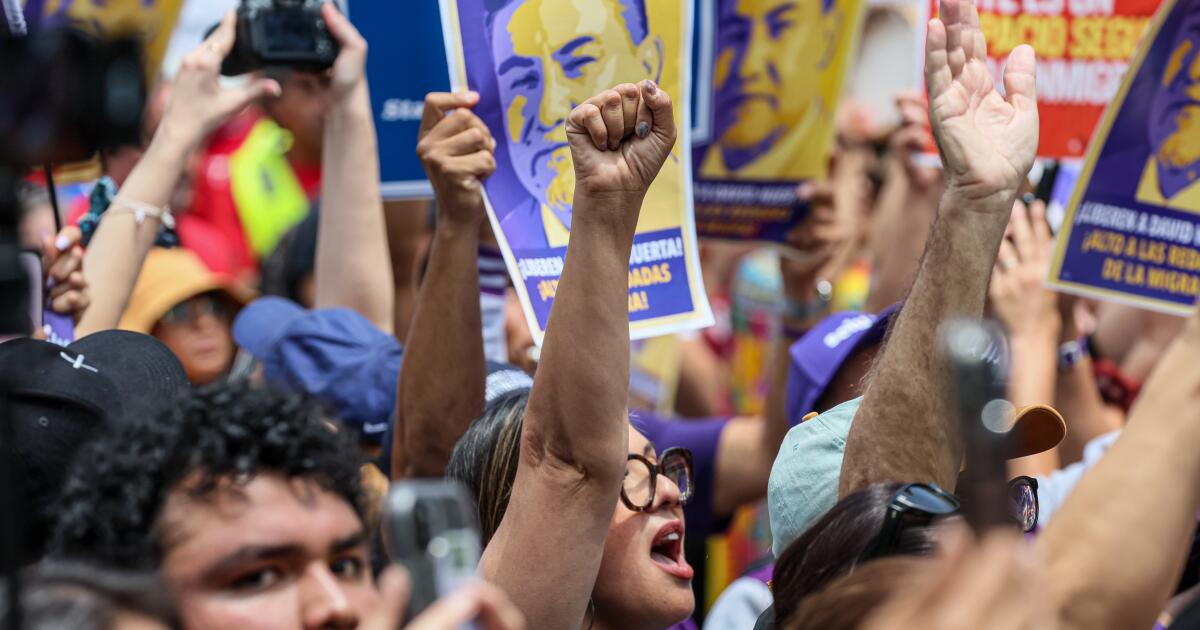
California, long a stronghold of the American labor movement, is bracing for a period of notable upheaval as the Trump administration systematically dismantles worker-friendly policies and introduces financial pressures that threaten both public and private sector jobs. This isn’t simply a political disagreement; it’s a fundamental shift in the relationship between the federal government and working families,with perhaps devastating consequences for the state’s economy and the well-being of its citizens.
A Systematic Rollback of Worker Protections
The current climate represents a stark reversal of the gains made during the Biden administration. As Enrique Lopezlira, director of the Low-Wage Work Program at the UC Berkeley Labor Center, points out, “in place during the Biden administration that were helpful to workers – those are systematically being rolled back.” This rollback isn’t limited to specific policies; it’s a broad assault on the principles of fair labor practices and worker security.
A key component of this challenge is the paralysis gripping the federal labor board. Currently lacking a quorum of members due to delayed Trump appointments, the board is unable to rule on critical cases, leaving workers vulnerable and employers with increased latitude.Jeremy goldberg,executive director of the Central Coast Labor Council,succinctly captures the sentiment: “We are all under attack by the federal government right now. The need is tremendous.”
A Divided Front: Unions Navigating a Complex Landscape
While the vast majority of labor leaders express deep concern, the response within the union community isn’t monolithic. Some major national unions, notably the United Auto Workers and the Teamsters, have found common ground with the Trump administration on issues like tariffs and the pursuit of domestic manufacturing jobs. This pragmatic approach, while understandable, highlights the complex calculations unions must make in a rapidly changing political environment. However, the overarching trend is one of increasing anxiety and a growing sense of vulnerability.
California’s Unique Vulnerabilities
California’s reliance on public sector union membership makes it notably susceptible to the pressures exerted by the Trump administration. John Logan, a professor of U.S. labor history at San Francisco State, warns that the administration’s hostility towards the state, coupled with threats to withhold federal funding from vital institutions like universities and healthcare facilities, will inevitably lead to budget cuts. These cuts will translate directly into layoffs and other cost-cutting measures impacting public sector workers.Furthermore, the administration’s aggressive immigration enforcement policies are diverting union resources and creating a climate of fear within communities. logan emphasizes the severity of the situation: “Unions are ill-equipped to deal with this moment of crisis. The labor movement is fighting for its survival over the next four years.”
Healthcare on the Front Lines
The healthcare industry is already experiencing the brunt of these changes. The passage of the so-called “Big Lovely Bill” – a legislative package featuring tax cuts and increased funding for Immigration and Customs Enforcement (ICE) – is having a chilling effect on Medicaid recipients and healthcare workers alike.
SEIU Local 2015 President Arnulfo De La Cruz describes the devastating impact on in-home care providers: “many in-home care providers who have cared for people for decades are now faced with the prospect that the people they care for are going to lose their healthcare, and that they themselves may lose their healthcare and their jobs.” This represents a profound betrayal of the “essential workers” who have been lauded for their dedication and service.The financial strain is manifesting in concrete ways across California’s healthcare system. Major medical facilities, including Sharp HealthCare in San diego, UC San Diego Health, and UCSF Health in San Francisco, have recently announced plans for service cuts and hundreds of layoffs, citing financial headwinds and uncertainty surrounding federal funding. These cuts will disproportionately impact vulnerable populations and exacerbate existing healthcare disparities.
The Human Cost: Stories from the Front Lines
The impact of these policies extends far beyond statistics and headlines. Cynthia Williams, an Orange County resident and AFSCME Local 3930 member, embodies the human cost of these changes. As a full-time caregiver for her daughter with disabilities and her veteran sister with PTSD, Williams is witnessing firsthand the erosion of vital support services. Funding for her sister’s transportation to appointments has been preemptively cut, and her hours caring for her daughter have been reduced. “The last few months have been very stressful and very unpredictable,” she says, reflecting the anxiety felt by countless families across the state.
Looking Ahead: A Fight for Survival
The challenges facing California unions are immense. The combination of federal policy reversals, budgetary pressures, and aggressive enforcement tactics creates a antagonistic environment





