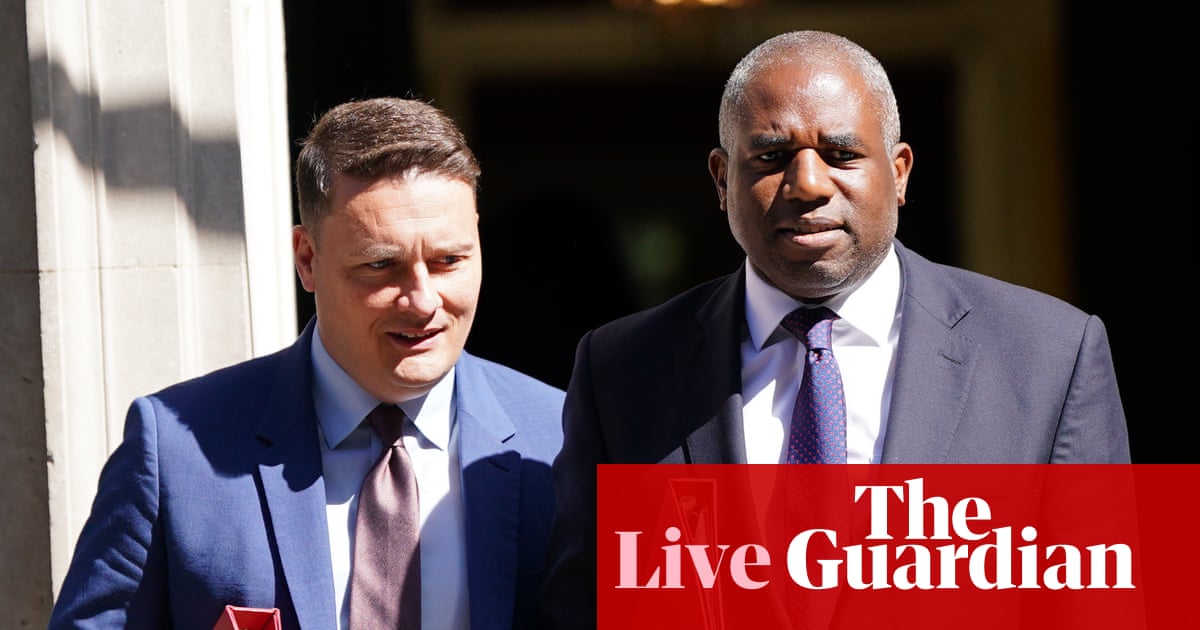
London, UK — May 18, 2026 — Deputy Prime Minister David Lammy has sharply rejected former Health Secretary Wes Streeting’s call for the UK to rejoin the European Union, dismissing the idea as a “sixth form debating position” that would only play into the hands of opposition parties. The remarks, made during a live political interview, underscore growing tensions within Labour over economic policy and the party’s future direction ahead of a potential general election.
Lammy’s comments come as the UK government navigates internal divisions following Streeting’s high-profile resignation earlier this month. Streeting, who left the cabinet in protest over what he described as a “lack of vision” in the government’s economic strategy, has since become a vocal critic of Labour’s stance on EU membership. His calls for rejoining the bloc have been met with skepticism from senior figures, including Lammy, who warned that prolonged internal debate on the issue would weaken Labour’s electoral prospects.
The political landscape is further complicated by the rise of Reform UK, which has capitalized on public frustration with Labour’s handling of economic challenges. Analysts suggest that any perceived indecision on major policy issues—such as EU relations—could erode voter confidence and benefit the opposition. Lammy’s remarks reflect a broader strategy within the government to present a unified front ahead of what could be a tightly contested election.
Lammy’s Stance: ‘Public Won’t Forgive Weeks of Internal Debate’
In a direct response to Streeting’s proposal, Lammy stated that the public would not tolerate prolonged internal discussions on EU membership, particularly as the government faces mounting pressure from Reform UK and other opposition parties. “This is not a sixth form debating position—it’s a serious question about the future of our country,” Lammy said during an interview with a major UK broadcaster. “What the public wants is stability, not weeks of internal wrangling that only plays into the hands of those who seek to divide us.”
Lammy’s comments align with Prime Minister Keir Starmer’s efforts to maintain a disciplined approach to policy-making. Starmer has repeatedly emphasized the need for a clear Labour narrative, particularly in constituencies where voters are divided between traditional Labour supporters and those drawn to Reform UK’s more hardline economic platform. The Deputy Prime Minister’s remarks suggest that the government is prioritizing electoral strategy over ideological debates on EU membership.
Streeting’s resignation earlier this month sent shockwaves through the Labour Party. In his resignation letter, Streeting criticized the government’s economic drift and called for a more ambitious approach to growth and investment. While he has not ruled out rejoining the EU as a potential solution, his proposal has been met with resistance from senior figures who argue that such a move would be politically toxic in key battleground areas.
Internal Labour Divisions and the Rise of Reform UK
The latest political spat comes as Labour grapples with internal divisions over economic policy. Streeting’s departure has left a void in the Health portfolio and reports suggest that Deputy Prime Minister Angela Rayner—who has previously held the role—may be considered for the position. However, Rayner’s own political future remains uncertain following a recent dispute with HM Revenue and Customs (HMRC), which has delayed her potential return to the cabinet.
Meanwhile, Reform UK continues to gain traction, particularly in regions where traditional Labour voters feel disillusioned with the party’s economic record. The party’s leader, Nigel Farage, has repeatedly called for a harder line on immigration and EU relations, positioning Reform as a viable alternative to both Labour and the Conservatives. Analysts warn that if Labour fails to address public concerns over cost of living and economic growth, Reform could make significant gains in the next general election.
Lammy’s dismissal of Streeting’s EU proposal reflects a broader concern within the government that internal divisions could weaken Labour’s electoral prospects. With two right-wing parties—Reform UK and the Conservatives—competing for votes in many constituencies, Labour risks being squeezed out unless it presents a compelling alternative. Lammy’s remarks suggest that the government is focused on consolidating its message rather than engaging in high-profile debates on contentious issues like EU membership.
What Happens Next?
The political fallout from Streeting’s resignation and Lammy’s response will likely shape Labour’s strategy in the coming months. The government is expected to announce a replacement for the Health Secretary in the near future, with Rayner emerging as a leading candidate. However, her potential return to the cabinet remains dependent on resolving her ongoing dispute with HMRC.
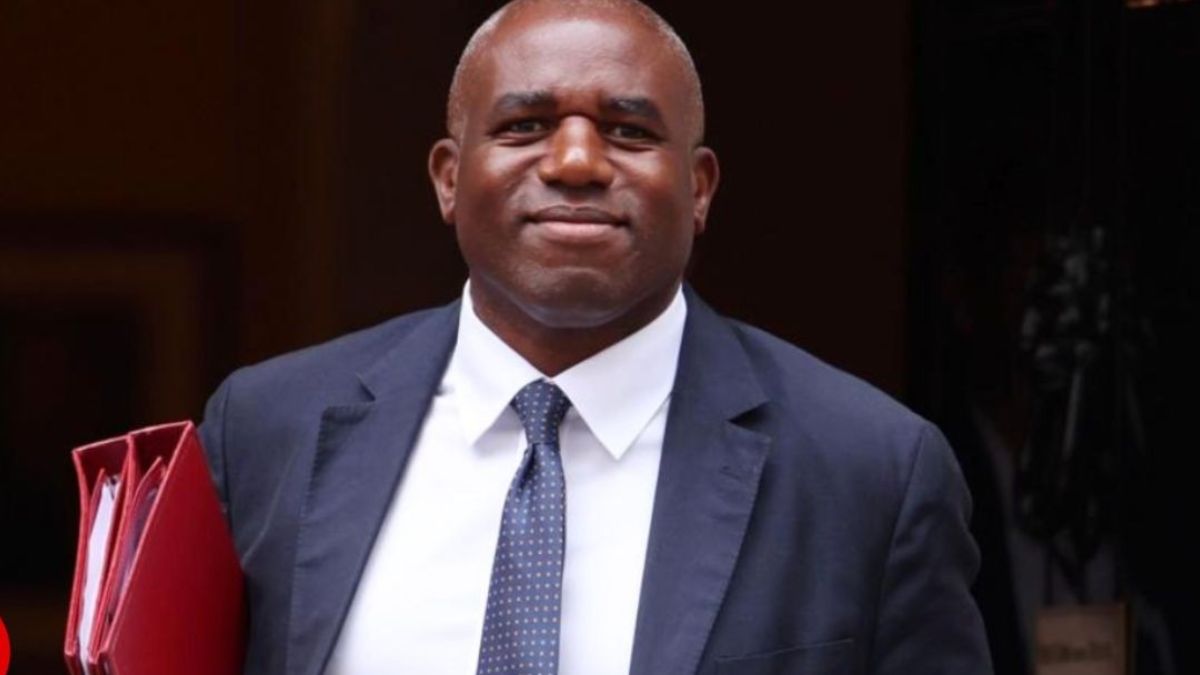
In the immediate term, Labour will need to address public concerns over economic policy while maintaining unity within the party. The next major test for the government will be the upcoming by-election in Makerfield, where Labour’s performance could set the tone for the broader electoral landscape. If Labour fails to make gains in traditionally safe seats, it could signal deeper problems with voter confidence ahead of a potential general election.
For now, Lammy’s dismissal of Streeting’s EU proposal serves as a reminder that Labour is prioritizing electoral pragmatism over ideological debates. Whether this approach will be enough to counter the rise of Reform UK remains to be seen.
Key Takeaways
- Lammy’s Rejection: Deputy Prime Minister David Lammy has dismissed Wes Streeting’s call for the UK to rejoin the EU, labeling it a “sixth form debating position” that could harm Labour’s electoral prospects.
- Internal Divisions: Streeting’s resignation has exposed tensions within Labour over economic policy, with reports suggesting Angela Rayner may return to the cabinet as Health Secretary.
- Reform UK’s Rise: The opposition party continues to gain ground, particularly in areas where Labour voters are disillusioned with the government’s economic record.
- Electoral Strategy: Labour is focusing on presenting a unified front ahead of potential by-elections and a general election, avoiding high-profile internal debates on contentious issues.
- Next Steps: The government is expected to announce a replacement for Streeting soon, with Rayner’s return to the cabinet contingent on resolving her HMRC dispute.
The next major checkpoint will be the Makerfield by-election, where Labour’s performance could provide early indicators of its electoral strength. The government’s ability to address public concerns while maintaining party unity will be critical in the months ahead.
What do you think? Should Labour reconsider its stance on EU membership, or is Lammy’s approach the right one for electoral success? Share your thoughts in the comments below.
Related reading
- Pernyataan Keluarga soal Kematian Jubir Otorita IKN di Rusun ASN – detikNews
- MLS: Juan Manuel Sanabria convirtió en la derrota de Real Salt Lake ante Portland Timbers
- LAFC Dominates Sporting Kansas City in 4-0 Victory (news-usa.today)
- Jānis Slaidiņš States Hybrid Threats Outweigh Baltic Invasion Risks (archyworldys.com)