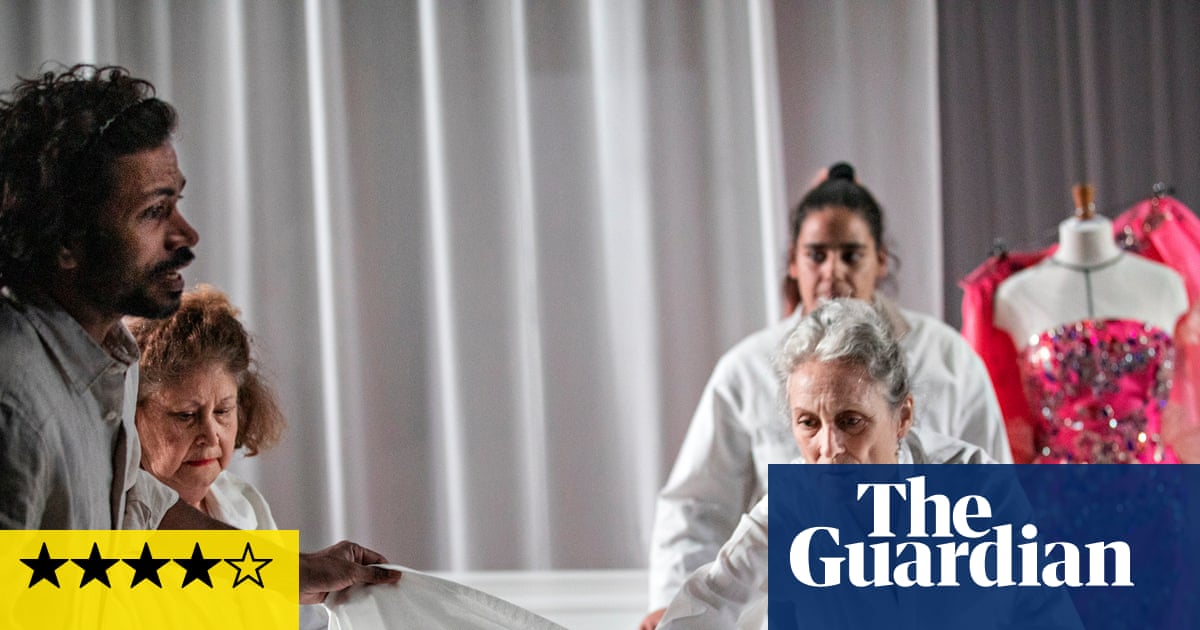
The Glimmering Threads of Exploitation: A Review of ‘Lacrima’
Caroline Guiela Nguyen’s Lacrima isn’t simply a play; it’s a visceral experience. It begins deceptively calmly, then builds into a devastatingly compelling portrait of the human cost hidden within the world of haute couture. You won’t be able to look away.
The production centers around the creation of a wedding dress for an unnamed British princess. This isn’t a fairytale, though. It’s a meticulously crafted exposé of the global supply chain and the invisible labor that fuels luxury.
A Global Tapestry of Labor
Nguyen masterfully weaves together multiple narratives, presented in four languages with English surtitles. We follow:
* Marion (Maud Le grevellec): The head seamstress in a Parisian atelier, grappling with a deeply abusive marriage.
* french Lace-Makers: Preserving a dying craft, yet facing economic precarity.
* Abdul (Charles Vinoth Irudhayaraj): An aging tailor in India, relentlessly working to meet impossible demands.
Initially, the play feels like a documentary. It meticulously details the processes involved in creating a wildly elaborate gown – 200 meters of train adorned with 150,000 pearls, intricate handmade lace, and yards of embroidered silk. But this detailed observation quickly reveals a darker truth.
The Illusion of ethical Production
The play doesn’t shy away from exposing the stark realities of international labor practices. French officials deliver bureaucratic rules to Indian managers, highlighting the inadequacy of ethical codes. These codes, Lacrima argues, primarily serve the interests of the Western ateliers, offering little protection to the workers who bear the brunt of the workload.
The human drama unfolds gradually, becoming increasingly emotionally resonant. Scenes of Marion’s domestic abuse are harrowing in their realism. Equally affecting is the portrayal of Abdul, whose eyesight deteriorates as he painstakingly sews pearls onto the dress. It’s a slow burn, but the emotional impact is profound.
Beauty and Suffering Intertwined
Lacrima doesn’t offer easy answers. Many characters view their work as a vocation, finding pride and dedication in creating something lovely. This doesn’t negate the exploitation, but it complicates the narrative, adding layers of nuance. The creation of a single dress transforms into a modern Greek tragedy, exploring themes of sacrifice, devotion, and the crushing weight of economic necessity.
alice Duchange’s set design is remarkably versatile. It seamlessly transitions between the Parisian atelier, the French lace-making workshops, and the bustling Mumbai workshop. Video split screens effectively draw your attention to the hands and faces of the workers,emphasizing their presence and contribution.
A Powerful, Though Not Flawless, Production
Nguyen’s research is evident throughout the production. Data is woven seamlessly into the drama, enriching the narrative. While the play is largely successful, a subplot involving a hereditary illness feels somewhat convoluted. Additionally,the British designer’s exaggeratedly coarse language feels slightly out of place.
Despite these minor flaws, Lacrima is a monumental and magnetic work. It’s a production that stays with you long after the curtain falls, prompting you to question the true cost of the beauty you consume. It’s a must-see for anyone interested in fashion, ethics, and the human condition.
Key Takeaways:
* Lacrima exposes the hidden labor behind luxury fashion.
* The play highlights the inadequacy of current ethical labor practices.
* It’s a deeply moving and thought-provoking theatrical experience.