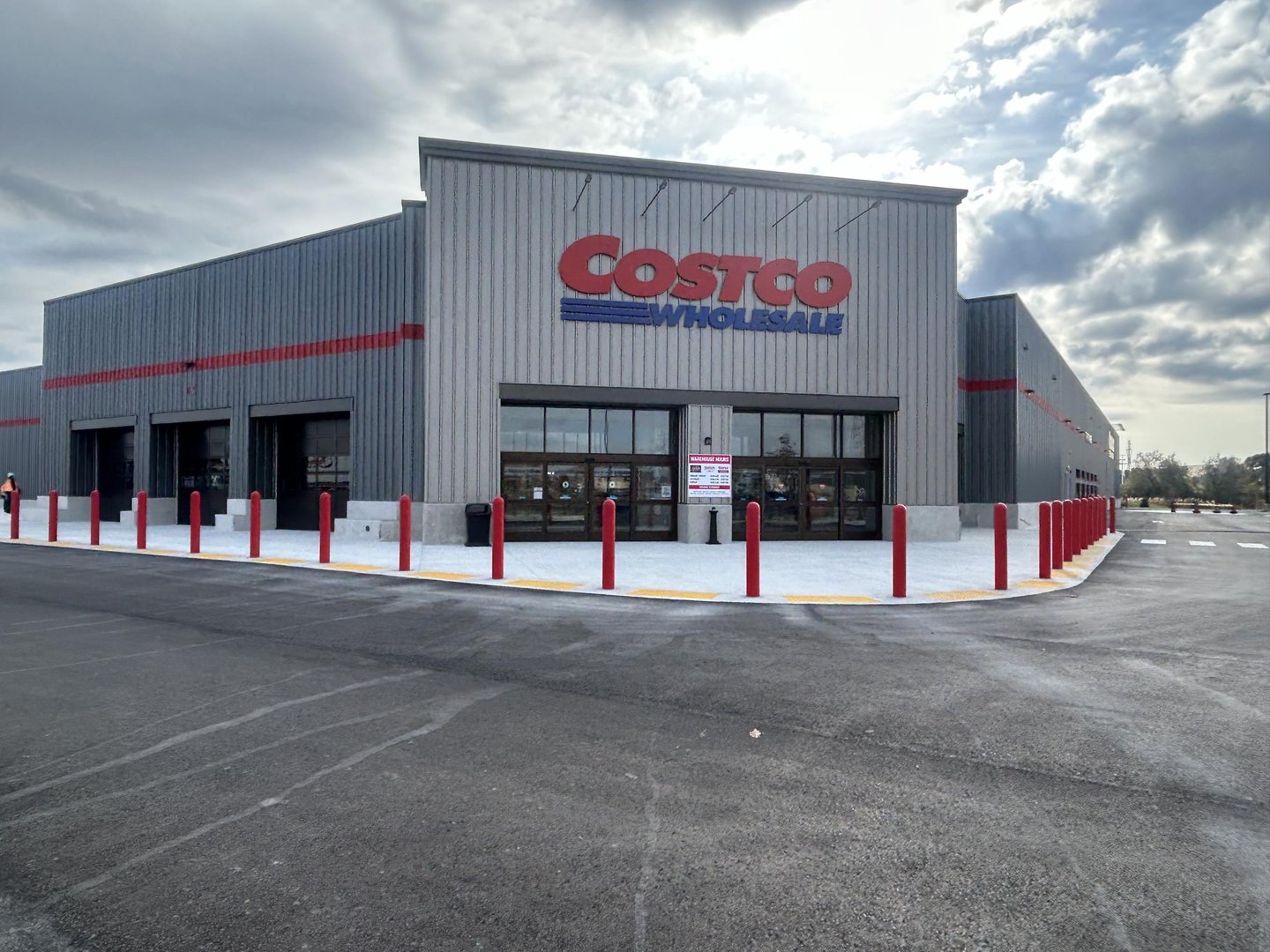
Canadian food safety authorities have issued a recall for specific Lactantia-brand milk products sold at Costco locations due to potential contamination. The Canadian Food Inspection Agency (CFIA) confirmed that the recall involves Lactantia brand 2% Partly Skimmed Milk, specifically impacting units sold in 4-litre formats, which consist of three 1.33-litre bags. Consumers are advised to check their refrigerators immediately, as the affected products may contain foreign material, specifically plastic, which poses a physical choking or injury hazard.
The recall was initiated following reports of consumer complaints regarding the presence of plastic pieces in the milk. According to the official notice published by the Canadian Food Inspection Agency, the affected milk was distributed primarily in Ontario and Quebec. Costco Canada has been identified as a key retailer for these specific batches. The CFIA is currently conducting a food safety investigation, which may lead to the recall of additional products; however, as of the latest update, the recall remains focused on the 4-litre format of 2% milk with the specific best-before dates identified in the safety alert.
Identifying Affected Lactantia Milk Batches
The primary safety concern relates to specific production codes and expiration dates that correlate with the contaminated batches. Shoppers should examine the packaging for the following identifiers: Lactantia 2% Partly Skimmed Milk, 4L (3 x 1.33L), with the UPC 0 68200 00200 4. The Canadian Food Inspection Agency has specified that products bearing the best-before date of 2024 NO 10 are included in this action. If you have this product in your home, the agency advises that you should not consume, serve, use, or sell the recalled milk.
Foreign material contamination in dairy products is treated as a high-priority issue by federal regulators because milk is a staple item consumed frequently by households, including children and the elderly. The presence of plastic fragments—often resulting from equipment degradation during the bottling or packaging process—presents an immediate physical risk. Retailers, including Costco, have been instructed to remove the affected stock from shelves to prevent further consumer exposure.
Safety Procedures for Consumers and Returns
For those who have already purchased the recalled milk, the recommended course of action is to either discard the product entirely or return it to the place of purchase for a full refund. Costco members can typically process these returns at the customer service desk without requiring the original receipt, provided the product packaging is present to confirm the lot and date codes. The Costco Canada customer service portal provides additional information on recall return policies for those who require further clarification.
There have been no confirmed reports of injuries associated with the consumption of this product as of the most recent regulatory update. However, the CFIA maintains that the recall was triggered by actual consumer reports of foreign material discovery. The agency performs routine monitoring of food production facilities, but recalls of this nature are frequently initiated by company-led investigations following direct feedback from the public or internal quality control failures.
Understanding Food Safety Recall Processes
When a manufacturer like Lactantia identifies a potential safety breach, they are required to notify the CFIA, which then coordinates the public communication strategy. This process ensures that retailers can quickly isolate affected inventory. The Health Canada regulatory framework mandates that companies maintain strict traceability records to ensure that if a contamination event occurs, the affected batches can be pinpointed within the supply chain quickly, limiting the scope of the recall to only the compromised units.
This incident serves as a reminder for consumers to monitor the Government of Canada’s official recall database, which serves as the most reliable source for food safety alerts. While social media and news reports often circulate information quickly, official government notices contain the precise UPC codes and date stamps necessary to determine if a product in a consumer’s possession is truly part of the hazard zone. Public health officials will continue to monitor the situation, and any further findings from the CFIA investigation will be posted to the official recall portal as they become available.
For ongoing updates regarding this safety alert, residents are encouraged to monitor the official CFIA website. Consumers with health concerns related to the consumption of this product should contact their primary healthcare provider or local public health unit for guidance.
Worth a look