
The industrial sector faces a persistent shortage of skilled labor, prompting major firms to expand vocational training programs for the next generation of technicians. For those pursuing an Ausbildung zum Land- und Baumaschinenmechatroniker, or apprenticeship as an agricultural and construction machinery mechatronics technician, companies like Holcim are positioning these roles as essential components of modern, sustainable infrastructure development. This specialized trade combines mechanical engineering, electronics, and software diagnostics to maintain the massive machinery required for global construction and farming operations.
As the construction industry transitions toward decarbonization, the demand for technicians capable of servicing high-tech, low-emission equipment is rising. According to the Federal Institute for Vocational Education and Training (BIBB), the mechatronics field for heavy machinery remains one of the most technically demanding and stable career paths within the German dual education system. Apprentices in this field learn to diagnose faults in hydraulic, pneumatic, and electronic systems, ensuring that heavy-duty equipment operates with maximum efficiency.
The Scope of the Mechatronics Apprenticeship
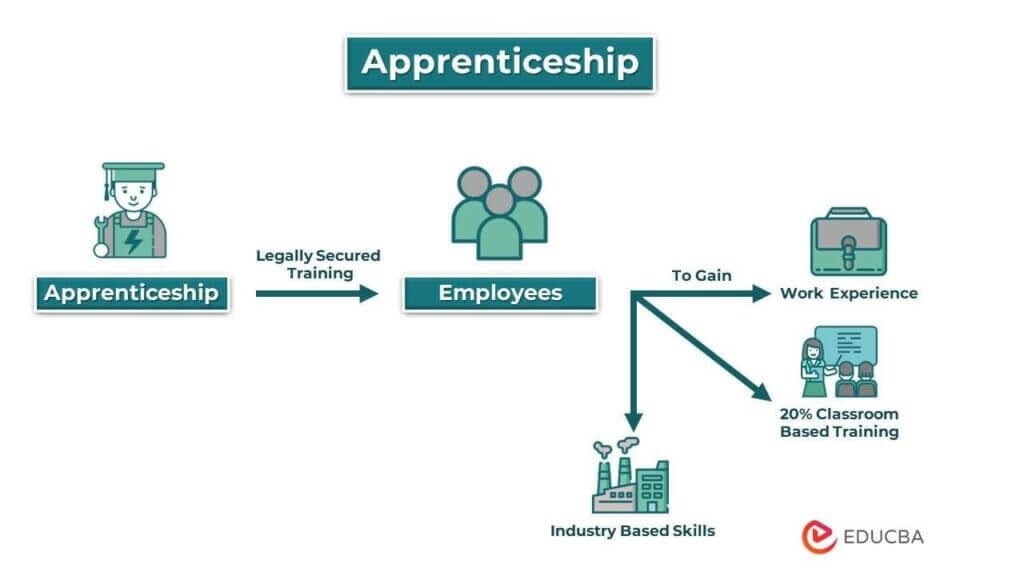
An apprenticeship in this sector typically spans three and a half years, blending classroom-based technical theory with on-the-job training at corporate facilities. Trainees are tasked with maintaining, repairing, and optimizing complex machinery, including excavators, tractors, and crushing systems. The curriculum, regulated by national standards, ensures that graduates are proficient in both manual labor and digital diagnostic tools, which are increasingly vital as construction equipment becomes more autonomous and connected.
At large-scale industrial firms, the apprenticeship emphasizes the integration of sustainability in field operations. As noted in industry reports, the shift toward electric and hydrogen-powered construction equipment necessitates a workforce that understands power-train electrification. Companies are increasingly integrating these modern energy concepts into their training modules to ensure that apprentices are prepared for the technological shift within the construction and materials sector.
Integration of Sustainability and Technology
The role of a mechatronics technician has evolved beyond traditional mechanical repair. Modern apprentices must demonstrate proficiency in IT and sensor technology, as modern machinery relies on telematics to monitor fuel consumption and operational health. For major industrial players, sustainability is a core pillar; this means apprentices are frequently trained on how to reduce the carbon footprint of job sites by maintaining machinery that meets strict emission standards.
According to data from the German Federal Employment Agency, the dual education model is highly effective because it minimizes the gap between academic knowledge and practical application. By working directly with heavy machinery, apprentices gain experience in troubleshooting real-world mechanical failures, which is a requirement for certification. This hands-on approach is supported by the German Chamber of Commerce and Industry (IHK), which oversees the final examinations for the trade.
Career Outlook and Professional Development
Completion of the apprenticeship provides a recognized certification that serves as a foundation for further specialization. Many graduates pursue advanced training as master craftsmen (Meister) or enroll in engineering programs focusing on mechanical or automotive technologies. The versatility of the skill set allows technicians to transition between the agricultural sector, where precision farming equipment is standard, and the construction industry, which is currently undergoing a massive digital transformation.
The financial prospects for qualified mechatronics technicians remain competitive compared to other vocational trades. Wages are typically governed by collective bargaining agreements (Tarifverträge), which provide a structured salary progression based on experience and specialization. For those entering the workforce, the ability to operate, service, and repair advanced hydraulic and electronic systems ensures long-term job security in a sector that is shielded from many of the fluctuations seen in purely administrative roles.
Requirements for Prospective Apprentices
To succeed in this field, candidates generally need a strong foundation in mathematics and physics, as these subjects underpin the electrical and mechanical principles used daily. Employers typically look for applicants with a secondary school certificate (Realschulabschluss or equivalent) and a demonstrated interest in how complex machinery functions. Beyond academic requirements, the role demands physical stamina and a high level of precision, as safety standards in construction environments are stringent.
Interested candidates are encouraged to monitor the official career portals of industrial companies for specific application deadlines and local training openings. Most firms, including those in the cement and building materials sector, conduct annual recruitment cycles that begin in the autumn for the following year’s intake. Applicants should prepare to demonstrate their technical aptitude and commitment to sustainable working practices during the interview process.
For further information on vocational standards and to locate recognized training programs, individuals may consult the official federal portal for vocational training, which provides comprehensive lists of available positions across Germany. Readers are invited to share their experiences with vocational training or pose questions regarding the technical requirements of the sector in the comments section below.
Related reading