Langhorne, Pennsylvania residents in specific areas are under a boil water advisory following a water main break that occurred over the weekend. The disruption to the water supply prompted officials to issue the warning as a precautionary measure to protect public health, with concerns centered around potential microbial contamination. The situation is ongoing as the Bucks County Water &. Sewer Authority (BCWSA) works to repair the damaged infrastructure and ensure the safety of the borough’s drinking water.
The initial water main break was reported on Saturday, February 28th, at the intersection of East Winchester Avenue and North Pine Street in Langhorne. According to reports, the break resulted in a loss of positive water pressure within the distribution system, creating a risk that contaminants could enter the water supply. This loss of pressure is the primary reason for the boil water advisory, as it indicates a potential pathway for harmful bacteria and other microorganisms to infiltrate the system. The Langhorne Borough noted on February 28th that, due to part-time staffing, guaranteeing timely emergency notifications to residents is challenging. Details about the initial break were posted on the borough’s website.
Areas Affected by the Boil Water Advisory
The boil water advisory is not borough-wide, but rather targeted to specific streets where the risk of contamination is considered highest. Residents in the following areas are currently advised to boil their water before consumption: North Pine Street between East Watson Avenue and Old Mill Drive; East Winchester Avenue between Balley View and Bellevue Avenue; East Watson Avenue between Bellevue Avenue and North Pine Street; East Marshall Avenue; Penns Avenue; Elbow Alley; Cherry Street; Summit Avenue; Penncrest Drive; Greenridge Drive; Valley View Road; Brendwood Drive; and Long Avenue. NBC Philadelphia provided a detailed list of impacted streets. Crucially, officials emphasize that residents outside these designated areas may experience discolored water, but are not subject to the boil water advisory.
What Does a Boil Water Advisory Mean?
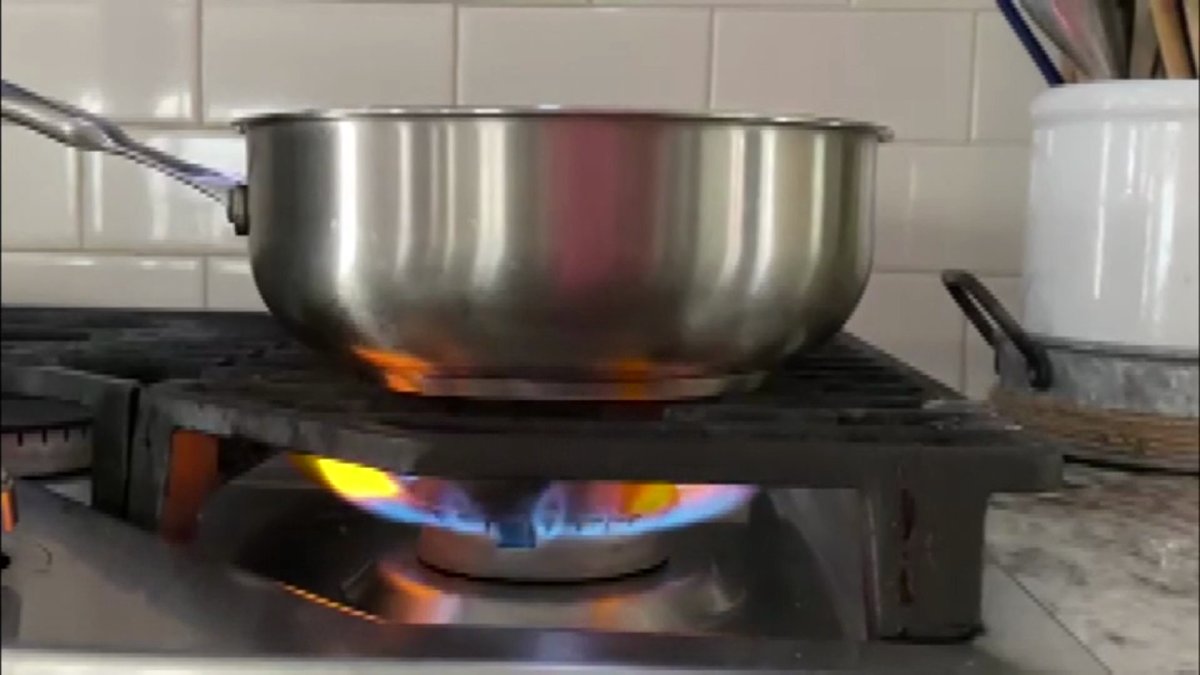
A boil water advisory is issued when there is a potential for bacterial contamination in the water supply. Boiling water effectively kills most harmful bacteria and viruses, making it safe to drink. The Centers for Disease Control and Prevention (CDC) recommends bringing water to a rolling boil for one minute – at elevations above 6,500 feet, boiling for three minutes is advised – and then allowing it to cool before using. Alternatively, bottled water can be used for all purposes during the advisory period. This precaution extends beyond drinking; boiled or bottled water should be used for making ice, washing dishes, brushing teeth and preparing food.
Untreated water can harbor a range of disease-causing organisms, including bacteria, viruses, and parasites. Exposure to contaminated water can lead to gastrointestinal illnesses, with symptoms such as nausea, cramps, diarrhea, and headaches. Individuals with weakened immune systems, young children, and the elderly are particularly vulnerable to these health risks. Strict adherence to the boil water advisory is essential to protect the health of the community.
Repair Efforts and Testing Procedures
The Bucks County Water & Sewer Authority (BCWSA) is actively engaged in repairing the damaged water main. The repair process involves isolating the break, excavating the affected area, and replacing the damaged section of pipe. Once the repairs are completed, a rigorous testing process will be initiated to confirm the water quality. This testing will involve collecting water samples from various points within the distribution system and analyzing them for the presence of bacteria.
Officials have indicated that the bacteria testing process may take 48 to 72 hours to complete. The advisory will remain in effect until the test results confirm that the water is free of contamination and meets all applicable safety standards. Residents are encouraged to stay informed about the progress of the repairs and the status of the advisory through official channels, such as the Langhorne Borough website and local news outlets. The BCWSA is responsible for ensuring the safe and reliable delivery of water to residents and businesses throughout Bucks County.
Understanding Water Main Breaks and System Vulnerabilities
Water main breaks are unfortunately a relatively common occurrence in many aging municipal water systems. Factors contributing to these breaks include corrosion of pipes, fluctuating temperatures, ground shifting, and increased water demand. Older infrastructure, particularly cast iron pipes, is more susceptible to failure over time. The loss of water pressure associated with a break, as seen in Langhorne, is a key indicator of potential contamination, as it can allow external pollutants to enter the system through cracks or openings.
Maintaining water infrastructure is a significant challenge for municipalities across the United States. The American Society of Civil Engineers (ASCE) consistently gives the nation’s drinking water infrastructure a low grade, highlighting the need for substantial investment in repairs and upgrades. The ASCE’s Infrastructure Report Card provides a comprehensive assessment of the condition of various infrastructure sectors, including drinking water. Proactive measures, such as regular inspections, preventative maintenance, and strategic pipe replacement programs, are crucial for minimizing the risk of water main breaks and ensuring the long-term reliability of water systems.
Staying Informed and Protecting Your Health
Residents of Langhorne affected by the boil water advisory are urged to follow the guidance provided by local officials. In addition to boiling water for consumption, It’s key to discard any ice made with tap water during the advisory period. Pet owners should also provide their animals with boiled or bottled water.
For the most up-to-date information on the boil water advisory, residents can visit the Langhorne Borough website or contact the BCWSA directly. Local news outlets, such as NBC Philadelphia, are also providing ongoing coverage of the situation. Staying informed and taking appropriate precautions will help ensure the health and safety of the community during this time. The situation underscores the importance of robust water infrastructure and the need for continued investment in maintaining and upgrading these vital systems.
As of today, March 2, 2026, the boil water advisory remains in effect. Residents should anticipate further updates from the BCWSA regarding the completion of repairs and the results of water quality testing. We will continue to monitor the situation and provide updates as they become available. Please share this information with your neighbors and friends in Langhorne to ensure everyone is aware of the necessary precautions.
Related reading