Laos Joins the durian Gold Rush: A New Challenger in ChinaS Booming Market
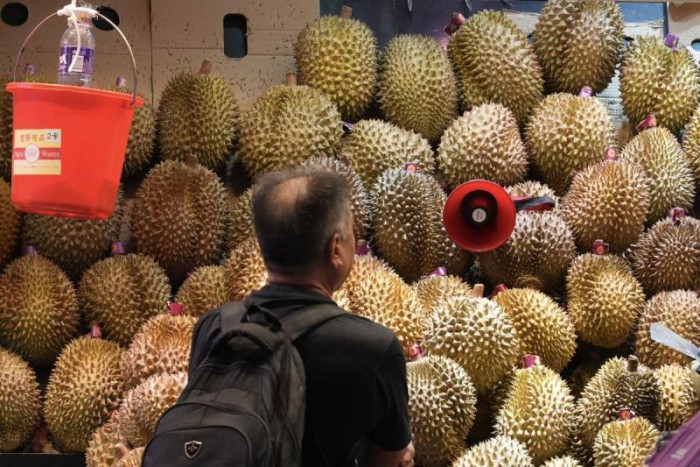
(Image: A customer checks out the durians at a wet market in Hong Kong.Photo: South China Morning Post)
For years, Thailand and Vietnam have dominated China’s insatiable appetite for durian. Now, Laos is poised to become a meaningful player, recently receiving approval to export fresh durians directly to the Chinese market. This move signals a strategic shift in agricultural trade and highlights the growing importance of Southeast Asia to China’s economic interests. Let’s break down what this means for growers,consumers,and the future of “durian diplomacy.”
Why is China So Crazy About Durian?
Before diving into Laos’s entry, its crucial to understand why this fruit is so coveted. Durian isn’t just a food in China; it’s a status symbol.
* Often gifted at weddings and formal events, it represents prosperity and good fortune.
* A single 6-kilogram durian can fetch upwards of 200 yuan (approximately $28 USD), showcasing its premium value.
* In 2023, China imported a record $6.99 billion worth of durian, demonstrating the sheer scale of demand.
Currently,Thailand leads the pack,accounting for 57% of China’s durian imports,followed by Vietnam at 38%. Cambodia, Malaysia, and the Philippines contribute smaller volumes. Laos is now entering this competitive landscape with some distinct advantages.
Laos’s Competitive Edge: Logistics, Labor, and Diplomacy
So, what allows Laos to realistically challenge established exporters? Several key factors are at play:
* Cost-Effective Production: Laos benefits from lower land and labor costs compared to its neighbors, potentially allowing for more competitive pricing. This is crucial in a market sensitive to price fluctuations.
* Strategic Infrastructure: the recently completed Laos-China Railway, connecting Vientiane with Kunming, is a game-changer. This direct rail link dramatically reduces transportation time and costs.
* Strong Political Ties: China’s “Belt and Road Initiative” is heavily invested in Laos, transforming the landlocked nation into a “landlinked” hub for trade. This political alignment facilitates smoother trade relations.
* similar Growing conditions: According to Durian Academy advisor Lim Chin Khee,the flavor profile of Lao durians will be comparable to those from Thailand and Vietnam due to similar rainfall patterns. This means consumers won’t be sacrificing quality.
What Does This Mean for You? (Growers & Consumers)
For durian Growers in Laos: This is a monumental possibility. The Chinese market offers unprecedented access to a massive consumer base. Though, success hinges on:
* Meeting Phytosanitary Standards: china’s approval is contingent on strict adherence to quality and safety regulations.
* Scaling Production: Laos currently has 20,000 hectares of durian farms, with plans to harvest 24,300 tonnes by 2029. Significant investment and expertise will be needed to achieve these goals.
* Market Knowledge: Understanding Chinese consumer preferences and distribution channels is vital.
For Chinese Consumers: You can expect potentially more affordable durian options as Laos enters the market. Increased competition often translates to better prices and a wider variety of choices.
“durian Diplomacy” and Regional Implications
China’s engagement with Southeast Asian nations thru agricultural trade – particularly durian – has been dubbed “durian diplomacy.” This strategy serves multiple purposes:
* Strengthening Regional Ties: Facilitating trade fosters closer political and economic relationships.
* Diversifying Supply Chains: Reducing reliance on any single source for key commodities.
* Counterbalancing US Influence: As relations with the US become more complex, China is deepening its ties with ASEAN countries.
As Rajiv Biswas,CEO of Asia-Pacific Economics,notes,this move “will further strengthen Laos-China bilateral trade ties and also wider China-Asean ties in agricultural trade.” It’s a win-win scenario, fostering economic growth and regional stability.
Looking ahead: Challenges and Opportunities
While the future looks luminous for Lao durian exports, challenges remain. Growers need to invest in quality control, efficient logistics, and market intelligence. China will likely continue to refine its import standards, requiring ongoing adaptation.
However, the potential rewards are
Worth a look