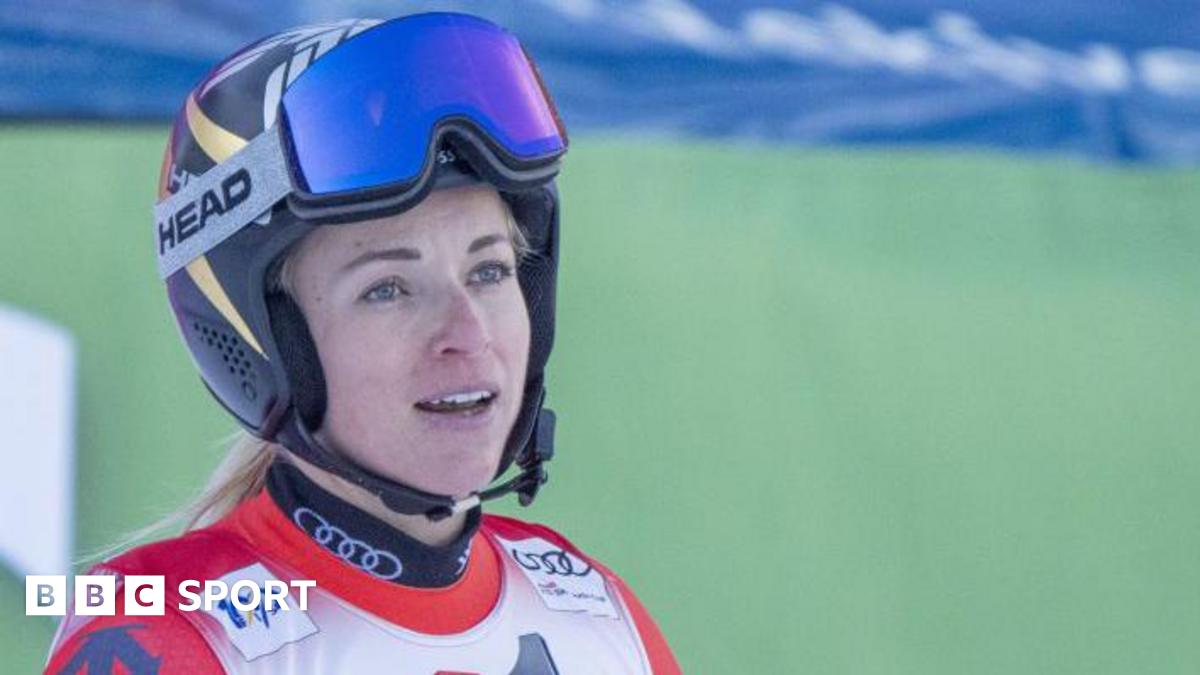
Lara Gut-Behrami’s Olympic Dream Dashed: A Deep Dive into Knee Injuries in Elite skiing
Lara Gut-Behrami,the reigning super-G champion,will unluckily miss the 2026 Winter Olympics in Milan-Cortina d’Ampezzo following a devastating knee injury sustained during training in Copper Mountain,Colorado on November 27,2025. This news sends ripples through the alpine skiing world, impacting not only Swiss Ski but also the competitive landscape of the upcoming Games. This article provides an in-depth look at the injury, its implications for Gut-Behrami’s career, the prevalence of similar injuries in professional skiing, and the recovery process. We’ll explore the technical aspects of the damage,the potential for a full return,and what this means for the future of women’s alpine skiing.
did You Know? Cruciate ligament injuries are among the most common and serious injuries in alpine skiing, accounting for approximately 30-40% of all knee injuries sustained by skiers.
The Injury: A Detailed Breakdown
Gut-Behrami’s injury is a complex one, involving a ruptured cruciate ligament (ACL), a torn medial ligament (MCL), and a meniscus tear – all in her left knee. Let’s break down what each of these components dose and why their damage is so notable:
* ACL (Anterior Cruciate Ligament): this ligament is crucial for stabilizing the knee joint,preventing excessive forward movement of the tibia (shinbone) and providing rotational stability. A rupture often occurs with a sudden twisting motion, common in skiing.
* MCL (medial Collateral Ligament): Located on the inner side of the knee, the MCL resists forces that push the knee outwards. Tears typically result from a direct blow to the outside of the knee.
* Meniscus: These C-shaped pieces of cartilage act as shock absorbers and contribute to knee stability. Tears can occur due to twisting or direct impact.
The combination of these injuries suggests a high-impact fall, likely involving a twisting and valgus (outward) force on the knee. According to a recent study published in the American Journal of sports Medicine (November 2025), athletes experiencing combined ligamentous and meniscal injuries often face longer and more challenging rehabilitation periods.
Implications for gut-Behrami’s Career & Retirement Plans
Gut-Behrami, 34, had openly discussed plans to retire after the 2025-26 season, aiming to conclude her illustrious career at the olympics.With 48 World Cup gold medals across super-G, downhill, and giant slalom, she is one of the most decorated alpine skiers of her generation.
Her statement expressing a desire to “fully recover…and to reach my full performance again” indicates a commitment to rehabilitation, but the severity of the injury casts a shadow over her future. Returning to elite-level skiing after a combined ACL, MCL, and meniscus injury, especially at age 34, is a significant undertaking. The success rate varies, but factors like age, pre-injury fitness level, and the quality of rehabilitation play crucial roles.
Pro Tip: Early and aggressive rehabilitation, guided by a qualified sports medicine team, is paramount for maximizing recovery potential after a complex knee injury.
Knee Injuries in Alpine Skiing: A Growing Concern?
Knee injuries are unfortunately commonplace in alpine skiing, especially among elite athletes. The high speeds, demanding terrain, and dynamic movements place immense stress on the knee joint. Several factors contribute to this:
* Skiing Technique: Aggressive skiing styles and improper technique can increase the risk of injury.
* Equipment: While ski technology has advanced significantly, equipment failures or improper bindings can contribute to injuries.
* Physical conditioning: insufficient strength and conditioning, particularly in the muscles surrounding the knee, can leave athletes vulnerable.
* Terrain & Snow Conditions: Icy or uneven terrain increases the risk of falls and subsequent injuries.
Recent data from the International Ski and Snowboard Federation (FIS) shows a slight increase in ACL injuries among female alpine skiers over the past five years, prompting increased research into preventative measures. This is thoght to be linked
Related reading