
In the evolving landscape of global tourism, the definition of a premier cultural destination is shifting. For travelers seeking more than just landmarks, the vibrancy of local art scenes, theater, and creative industries has become the primary metric for success. As we navigate through 2026, the latest insights into the world’s most compelling cities for culture highlight a significant milestone for Latin America, with two major urban centers earning recognition among the global elite.
This year’s ranking of the best cities for art and culture—a comprehensive analysis based on insights from 24,000 residents across more than 150 global locations—has identified Guadalajara, Mexico, and São Paulo, Brazil, as standout representatives of the region. These cities were evaluated not only on their tangible assets, such as museums and historic sites, but also on the perceived quality and accessibility of their cultural offerings by those who live there every day.
For those of us tracking the intersection of global movement and local identity, the inclusion of these two cities underscores a broader trend: the decentralization of cultural influence. While historical heavyweights like London and Paris continue to dominate the top tier of such international indices, the emergence of Latin American hubs signifies a growing appreciation for the unique, high-energy cultural ecosystems developing outside of traditional European and North American circuits.
Understanding the Global Cultural Index
The criteria for these rankings are multifaceted. Experts behind the evaluation process look beyond the typical “tourist traps” to assess the pulse of a city. This includes the accessibility of live music, the density of independent bookstores, the vitality of local carnival and festival traditions, and the overall engagement of the public with their local museums and galleries. By integrating the perspectives of thousands of local residents with a panel of specialized observers, the resulting list provides a nuanced view of what makes a city “exciting” to visit in the current cultural climate.
London, for instance, secured its position at the top of the 2026 list by leveraging iconic institutions such as the Victoria and Albert Museum alongside a thriving West End theater scene. With a 95% approval rating from industry experts, the British capital remains a benchmark for how historical preservation and contemporary creative industries can coexist. Yet, the data also reveals that even in cities with high costs of living, a significant portion of the population—roughly 60% in London’s case—views their city’s cultural events and spaces as accessible to the average resident.
Latin America’s Rising Cultural Capitals
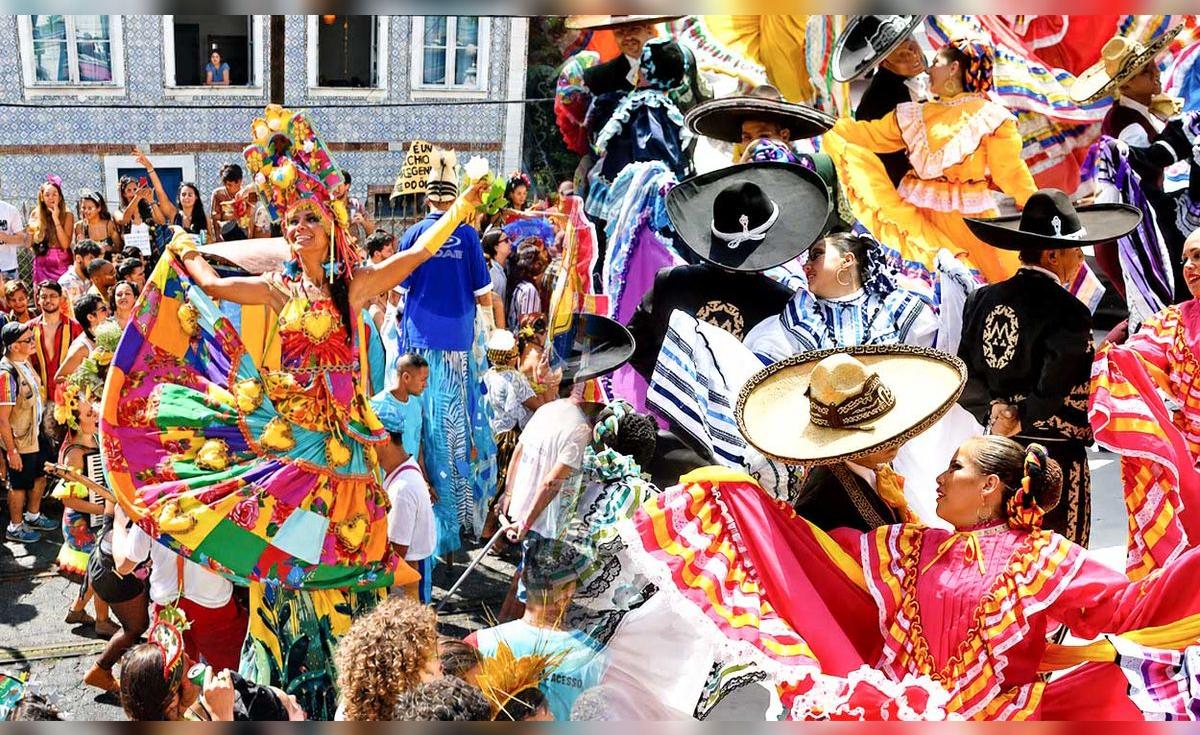
The recognition of Guadalajara and São Paulo as the sole Latin American representatives on this list is a testament to their sustained investment in the arts. Guadalajara, frequently noted for its role as a regional hub for creativity and traditional Mexican heritage, offers a distinct experience that balances historical architecture with modern artistic expression. São Paulo, serves as a massive, multifaceted engine of Brazilian culture, where the scale of its museums and the intensity of its urban art scenes create a landscape that is constantly in flux.
These cities are not merely competing with one another; they are effectively expanding the map of high-level cultural tourism. By meeting the stringent criteria set by global evaluators, they have proven that they can offer a level of artistic engagement that rivals, and in specific categories of local vibrancy, potentially exceeds that of older, more traditional cultural centers. This shift is vital for global travelers who are increasingly looking for authentic experiences that move away from the highly curated routes of the past decade.
Key Takeaways for the Modern Traveler
- Broad Evaluation Metrics: Rankings are derived from a combination of resident surveys and expert panels, ensuring that both local accessibility and international appeal are considered.
- Accessibility Matters: A core component of the 2026 assessment is whether the local population feels that their city’s cultural offerings are available to them, rather than just to affluent tourists.
- The Shift to Latin America: The inclusion of Guadalajara and São Paulo signals a pivot in global interest toward cities that offer a unique blend of heritage and contemporary artistic energy.
- Historical Context: Cities like Paris continue to define the “historic” category, yet new rankings show that modern cultural vitality is just as essential to a city’s global standing as its past.
As we look forward to the remainder of 2026, the cultural dialogue between continents is becoming more balanced. The recognition of these Latin American cities is not just a point of pride for their respective nations; it is an invitation for the global community to engage with the diverse and dynamic art scenes that are currently shaping the future of international travel.
For those planning their next journey, keeping an eye on these evolving cultural hubs may offer a more enriching experience than sticking to the well-worn paths of traditional tourism. We will continue to monitor updates regarding global urban rankings as new data becomes available later this year. If you have visited these cities or have thoughts on the changing landscape of global culture, I invite you to share your experiences in the comments section below.