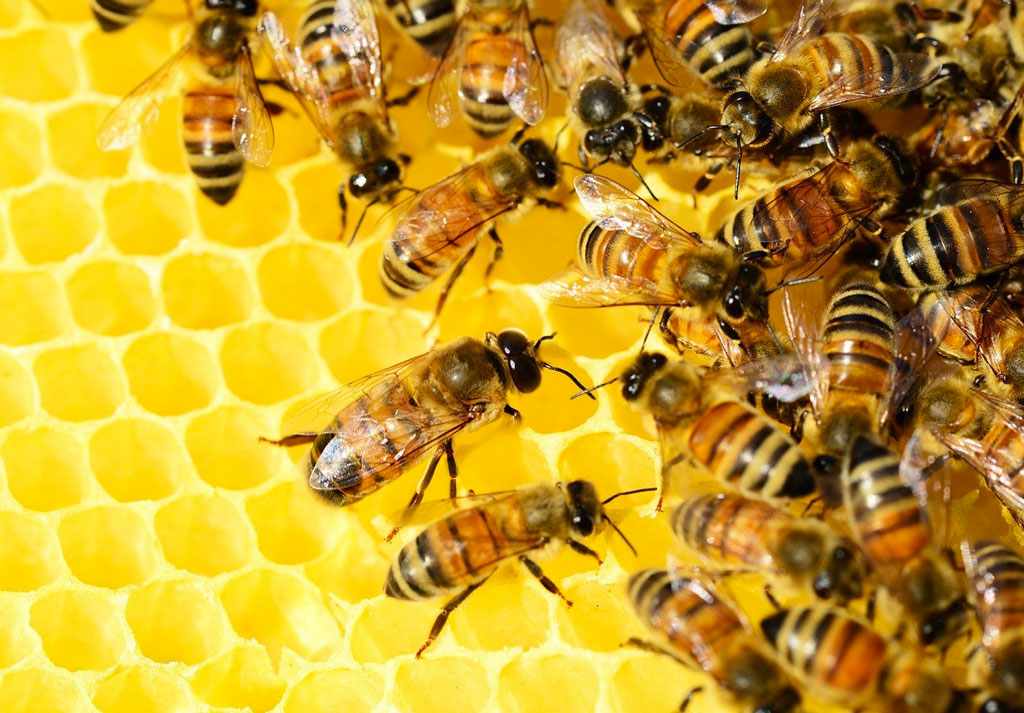
The beekeeping and honey sector in Calabria will hold its concluding event on June 12 at the Cittadella, focusing on the intersection of biodiversity and sustainable production. The showcase aims to highlight regional specialties, including the “Bacio dei Due Mari” honey, while emphasizing the role of apiculture in maintaining the ecological health of the Mediterranean landscape.
Organizers of the activities scheduled for the Cittadella have identified beekeeping as a strategic sector for the region. The event serves as a platform to demonstrate how honey production can act as a driver for both environmental sustainability and local economic development. According to the event’s thematic focus, the program will underscore the importance of pollinators in preserving the diverse flora found throughout the Calabrian territory.
The June 12 program is expected to feature an intensive tasting experience. Local descriptions of the event characterize the tasting sessions as a high-variety sensory experience, specifically highlighting the “Bacio dei Due Mari” honey. This variety is noted for its ability to reflect the unique floral profiles of the region, where the influence of the Ionian and Tyrrhenian seas meets the mountainous interior.
Why Beekeeping is Vital for Calabrian Biodiversity
Beekeeping in Calabria is more than a commercial enterprise; it is a fundamental component of the region’s ecosystem services. Pollinators, particularly honeybees, are responsible for the reproduction of a vast array of wild plants and agricultural crops. Without healthy bee populations, the stability of the local food web and the natural regeneration of Calabrian forests would be significantly compromised.
The connection between honey production and environmental health is well-documented. High-quality honey serves as a bio-indicator, reflecting the purity of the air, water, and soil in the areas where bees forage. As the event at the Cittadella suggests, the focus on “sustainability” is a response to the global need to protect pollinator species from habitat loss and climate fluctuations. The European Commission’s initiatives on pollinator protection emphasize that maintaining diverse floral resources is essential for both wild and managed bee populations.
By promoting traditional and sustainable beekeeping methods, Calabria aims to safeguard its unique biological heritage. The variety of honey produced in the region—ranging from mountain varieties to coastal wildflowers—is a direct result of this complex and interconnected ecosystem.
What Makes “Bacio dei Due Mari” a Regional Specialty?
The “Bacio dei Due Mari” honey has emerged as a signature product of the Calabrian honey sector. The name, which translates to “Kiss of the Two Seas,” refers to the geographic and sensory convergence of the Ionian and Tyrrhenian coasts. This unique positioning allows bees to forage on a diverse range of botanical sources, creating a honey profile that is distinct from those produced in more homogenous landscapes.
The flavor profile of such honey is typically a complex blend of nectar from various Mediterranean shrubs, wildflowers, and citrus blossoms. This complexity is highly valued in the specialty food market, where consumers increasingly seek products with a strong “terroir”—the characteristic taste imparted by the specific environment in which a food is produced.
For the event on June 12, the “Bacio dei Due Mari” will serve as a primary example of how local geography can be translated into a high-value agricultural product. This process of “valorization” is a key strategy for Mediterranean producers looking to compete in a global market that prioritizes authenticity and origin-protected goods.
How Sustainable Apiculture Supports the Local Economy
The transition toward sustainable apiculture offers several economic advantages for the Calabria region. First, it promotes the development of niche, high-end markets. Rather than competing on volume with mass-produced, industrial honey, Calabrian producers are focusing on quality, botanical specificity, and protected designations of origin.
Second, beekeeping supports the broader agricultural economy. By ensuring effective pollination, beekeepers provide a “hidden” service to fruit growers, olive producers, and vegetable farmers, often increasing crop yields and quality. This synergy creates a more resilient agricultural sector that is less dependent on chemical inputs and more aligned with organic farming practices.
The economic impact of these activities is also seen in the promotion of agritourism. Events like the one at the Cittadella attract visitors interested in culinary tourism and local traditions, providing additional revenue streams for rural communities. This helps to combat rural depopulation by creating viable, modern livelihoods in the countryside.
To maintain these economic benefits, the sector must continue to adhere to strict quality standards. The integration of modern analytics and traditional knowledge allows producers to monitor hive health and honey purity, ensuring that the “Calabrian brand” remains synonymous with excellence.
Key Aspects of the Calabria Beekeeping Initiative
- Primary Objective: To demonstrate the link between honey production, biodiversity, and regional sustainability.
- Key Product: “Bacio dei Due Mari” honey, representing the dual influence of the Ionian and Tyrrhenian seas.
- Strategic Focus: Protecting pollinators to ensure the long-term health of the Calabrian ecosystem and agricultural yields.
- Economic Goal: Moving toward high-value, specialty markets through the valorization of local terroir.
Frequently Asked Questions
What is the significance of the June 12 event in Calabria?
The event marks the conclusion of a series of activities designed to promote beekeeping as a strategic tool for biodiversity and sustainable economic growth in the region.
What is “Bacio dei Due Mari” honey?
It is a specialized honey variety from Calabria that reflects the diverse floral sources found between the Ionian and Tyrrhenian coasts.
How does beekeeping affect the environment?
Bees are essential pollinators. Their presence ensures the reproduction of plants and the stability of ecosystems, making their management a key part of environmental conservation.
Why focus on sustainability in the honey sector?
Sustainable practices protect bee populations from environmental stressors and ensure that honey production remains viable for future generations while maintaining high product quality.
The next scheduled update regarding Calabrian agricultural initiatives and local honey production standards is expected following the conclusion of the June 12 activities. We encourage readers to share this article and comment below with your thoughts on the importance of supporting local, sustainable food systems.