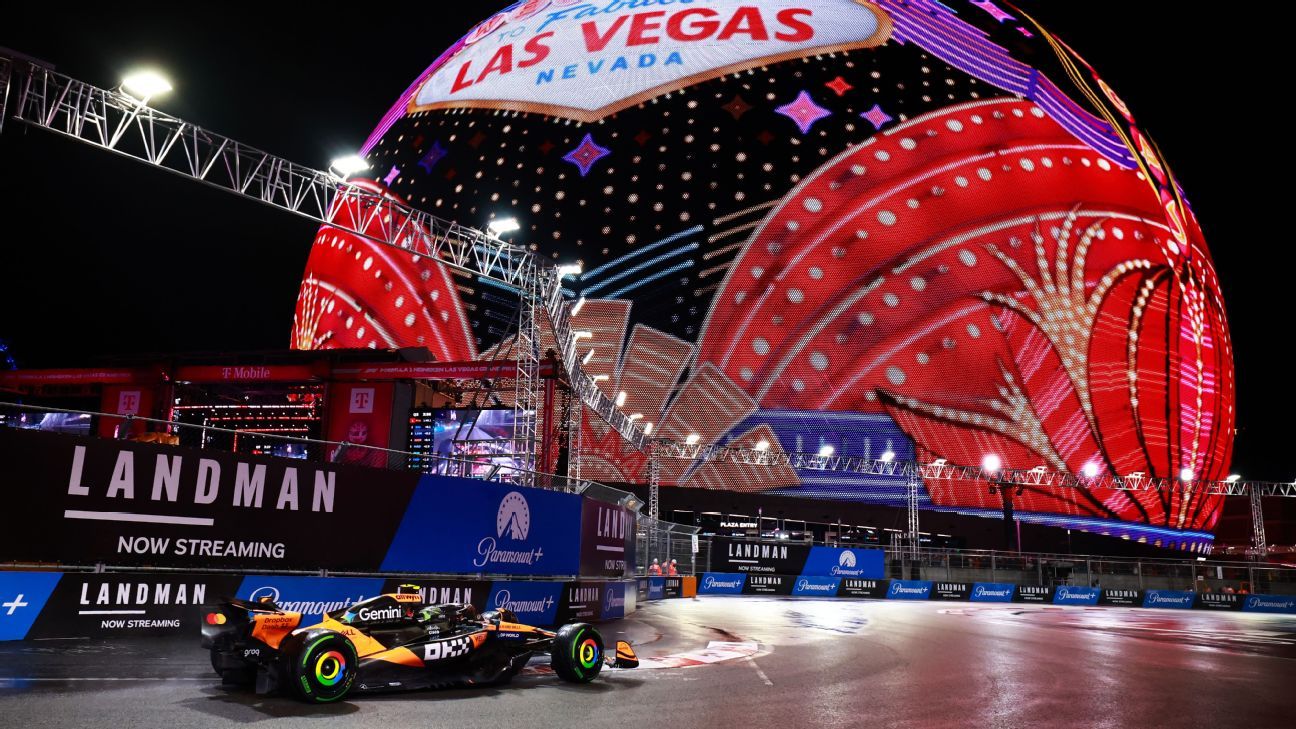
The neon-lit streets of Nevada are set to remain a permanent fixture on the global motorsport calendar for the foreseeable future. Formula 1 has officially confirmed that the Las Vegas Grand Prix will continue to host races through the 2032 season, following a contract extension that secures the event’s place in the sport’s premier championship. This decision reinforces the city’s status as a burgeoning hub for international sports tourism, moving beyond its traditional reputation as a gaming and entertainment capital.
For fans and stakeholders, the news of the Las Vegas Grand Prix contract extension until 2032 offers long-term stability for what has become one of the most visually distinct circuits on the calendar. While initial reports and industry speculation had suggested a longer horizon, the official agreement spans through the 2032 calendar year, providing a clear window for local authorities and event organizers to refine the logistics that define this unique street circuit.
The Evolution of the Las Vegas Street Circuit
When Formula 1 first returned to the streets of Las Vegas in 2023, the event was met with both immense hype and logistical challenges. The track, which winds past iconic landmarks like the Bellagio and the Sphere, represents a massive investment in infrastructure. Unlike traditional purpose-built racing facilities, the Las Vegas Strip Circuit requires significant road closures and temporary modifications to public thoroughfares, a process that has necessitated close cooperation between Formula 1, Liberty Media, and the Clark County Commission.
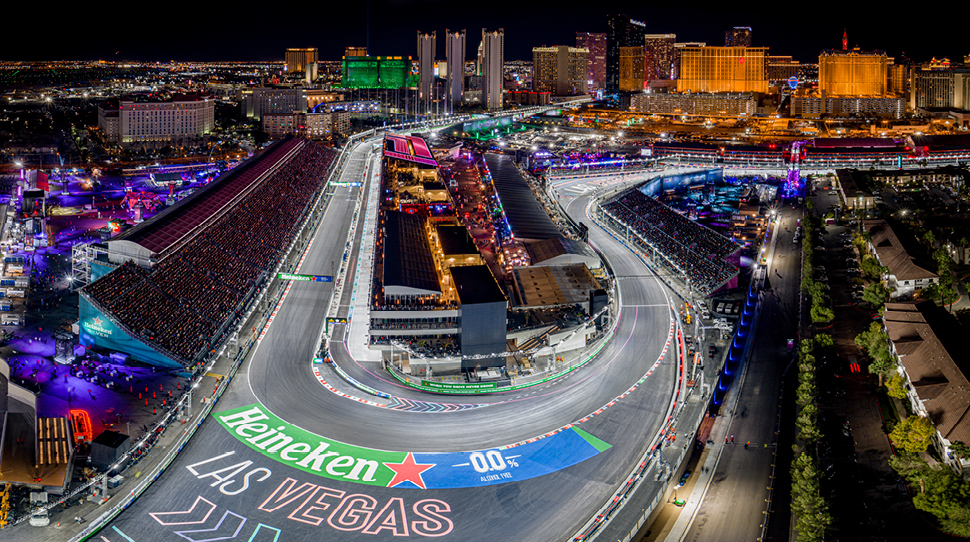
The Clark County Public Works department has played a pivotal role in managing the disruption and safety requirements inherent in hosting an international racing event of this scale. By committing to a multi-year partnership, the organizers aim to optimize the setup and teardown phases, potentially reducing the duration of street closures for local businesses, and residents. This long-term planning is essential for the sustainability of a race that relies so heavily on the cooperation of the surrounding hospitality industry.
Economic Impact and Global Tourism
The economic footprint of the Grand Prix in Las Vegas has been significant. According to reports analyzing the inaugural race, the event generated over $1.2 billion in economic impact for the region. This influx of capital supports not only the hotel and gaming sectors but also a wide array of local services, construction contractors, and event management firms. The extension through 2032 ensures that the city can continue to leverage the “F1 effect” to drive tourism during what is traditionally a slower travel period in November.

Beyond the direct financial metrics, the race serves as a high-profile marketing vehicle for Las Vegas on the global stage. With a massive international television audience, the sight of F1 cars racing at speeds exceeding 210 mph down the Strip provides a unique promotional opportunity. For the sport itself, the Las Vegas round is a cornerstone of its American expansion strategy, sitting alongside established races in Miami and Austin.
What the Extension Means for the F1 Calendar
The decision to secure Las Vegas for the next decade highlights Formula 1’s commitment to high-visibility, “destination” races. As the sport continues to grow, particularly in the North American market, having a reliable, long-term anchor in Nevada allows the FIA and Formula 1 management to build a more predictable schedule. This consistency is vital for teams and logistics providers who manage the massive undertaking of transporting equipment across the globe.
However, the schedule remains a point of contention for many within the paddock. With 24 races currently on the calendar, the addition of long-term commitments like Las Vegas places significant pressure on team personnel. The challenge for the coming years will be balancing the commercial success of the Las Vegas event with the physical and mental well-being of the mechanics, engineers, and support staff who operate these events.
Key Facts at a Glance
- Event Duration: The current agreement secures the race through the 2032 season.
- Circuit Layout: The 6.2-kilometer street circuit features 17 corners and a long straight down the Las Vegas Strip.
- Economic Significance: The inaugural 2023 race was estimated by the Las Vegas Convention and Visitors Authority to have a total economic impact of $1.2 billion.
- Local Oversight: The Clark County Commission remains the primary authority for permits and public safety protocols surrounding the race weekend.
For those interested in the ongoing management of the event, the Las Vegas Convention and Visitors Authority (LVCVA) provides regular updates on the economic performance and visitor metrics associated with the Grand Prix. These reports offer the most accurate insight into whether the long-term investment is yielding the projected growth for the local economy.
Looking Ahead: The Road to 2032
As we look toward the future, the focus shifts to how the event will mature. The novelty of the Las Vegas Grand Prix is transitioning into a stable, recurring feature of the sporting year. Organizers have indicated that they intend to continue improving the fan experience, both in terms of on-track action and the accessibility of tickets for a wider range of supporters. The next major checkpoint for the event will be the release of the provisional 2025 and 2026 calendars, which will confirm the specific dates for the race and how it integrates with the rest of the flyaway rounds.
The commitment through 2032 is a strong signal that Formula 1 views Las Vegas as a permanent jewel in its crown. Whether the event can continue to evolve while managing the sensitivities of the local community remains the primary narrative to watch. As always, we will continue to monitor official filings from the Clark County Commission and updates from Formula 1 to keep you informed on the latest developments regarding this high-speed partnership.
What are your thoughts on the long-term future of Formula 1 in Las Vegas? Join the conversation in the comments section below and share your perspective on the growth of the sport in the United States.
Worth a look