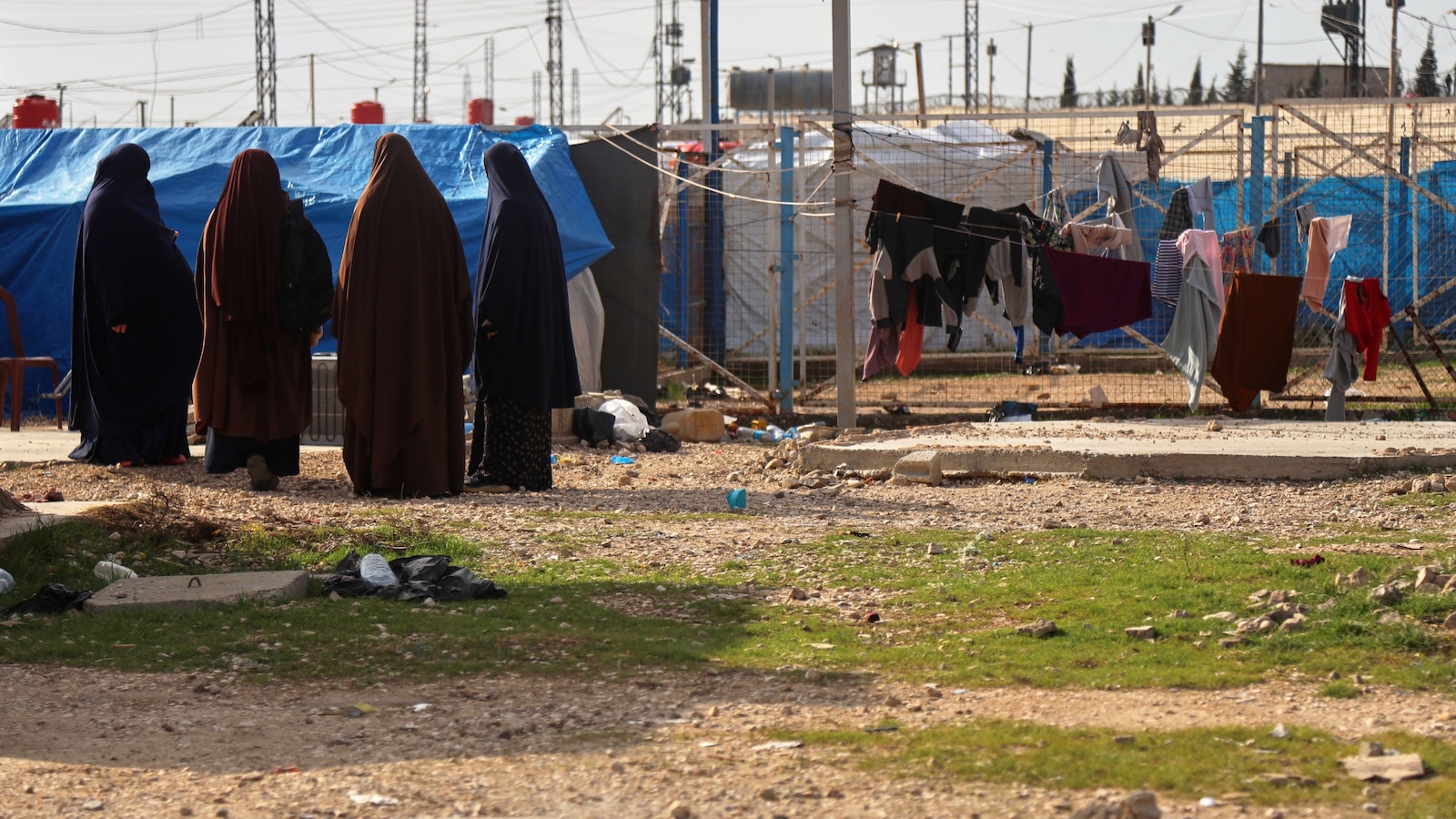
The last Australian woman currently held in a detention camp for families of Islamic State (IS) fighters in northeast Syria has been granted permission to return to Australia. The decision, confirmed by legal representatives and government sources, marks the final stage of a years-long repatriation process for Australian citizens detained in the region following the collapse of the IS territorial caliphate. According to reporting by the Australian Broadcasting Corporation, the woman and her daughter are expected to arrive in the country in the coming weeks, subject to security and logistical arrangements.
This repatriation effort concludes a complex geopolitical and humanitarian challenge for the Australian government. Since the 2019 defeat of IS in Baghouz, Syria, international pressure has mounted on Western nations to repatriate their citizens from camps like Al-Hol and Roj, which are managed by the Autonomous Administration of North and East Syria (AANES). The Australian government has maintained a policy of evaluating these cases on an individual basis, citing national security concerns and the difficulty of gathering evidence in a conflict zone.
The Legal and Security Framework for Repatriation
The return of the woman follows a series of government-led operations to extract Australian nationals from Syrian detention facilities. Previous repatriation missions, including a significant operation in October 2022 that brought home 16 Australian women and children, established the protocol for these transfers. According to the Australian Department of Home Affairs, individuals returning from conflict zones are subject to thorough threat assessments and, where appropriate, may face criminal investigation or monitoring by federal law enforcement agencies.
Legal experts note that the Australian government’s approach is governed by the need to balance human rights obligations with domestic counter-terrorism laws. Under the Criminal Code Act 1995, it is an offense for an Australian citizen to enter or remain in a designated “declared area” of a foreign country without a legitimate purpose. The government has consistently stated that its primary concern is the safety of the Australian public, while also acknowledging the precarious humanitarian conditions faced by detainees in Syrian camps.
Conditions in Northeast Syrian Detention Camps
The camps in northeast Syria, particularly Al-Hol and Roj, remain centers of severe humanitarian concern. Organizations such as Human Rights Watch have documented the lack of adequate medical care, education, and security within these facilities. Thousands of women and children from various nationalities remain in detention, often living in tents with limited access to clean water or sanitation.
The AANES, which oversees the camps, has repeatedly urged foreign governments to repatriate their citizens, stating that they lack the resources to maintain long-term detention facilities and that the camps have become potential flashpoints for radicalization. The repatriation of the final Australian woman is seen by analysts as a pragmatic step toward resolving Australia’s remaining footprint in these camps. It reflects a broader shift among Western nations, including Germany, France, and Canada, which have also initiated state-led repatriations despite domestic political controversy.
What Happens Next for the Returnees
Upon arrival in Australia, the woman and her daughter will likely be met by officials from the Australian Federal Police (AFP) and representatives from social services. While the specific details of her case remain confidential, the standard procedure for such returnees involves immediate welfare support, medical screening, and potential interviews regarding their time in the conflict zone. The government has not provided a public timeline for her arrival, citing security and privacy protocols.
The case remains a subject of public debate in Australia, with some commentators emphasizing the importance of preventing the return of individuals who may pose a security threat, while others, including human rights advocates, prioritize the protection of children who were taken to or born in the region against their will. The government continues to manage these returns under strict confidentiality to ensure the safety of those involved and the integrity of ongoing investigations.
For official updates regarding government policy on the repatriation of citizens from conflict zones, the public is encouraged to monitor the Department of Foreign Affairs and Trade (DFAT) website. Further developments, including any legal proceedings or government statements following the return, will be tracked as they are made public. We invite our readers to share their perspectives on this complex issue in the comments section below.
Keep reading