
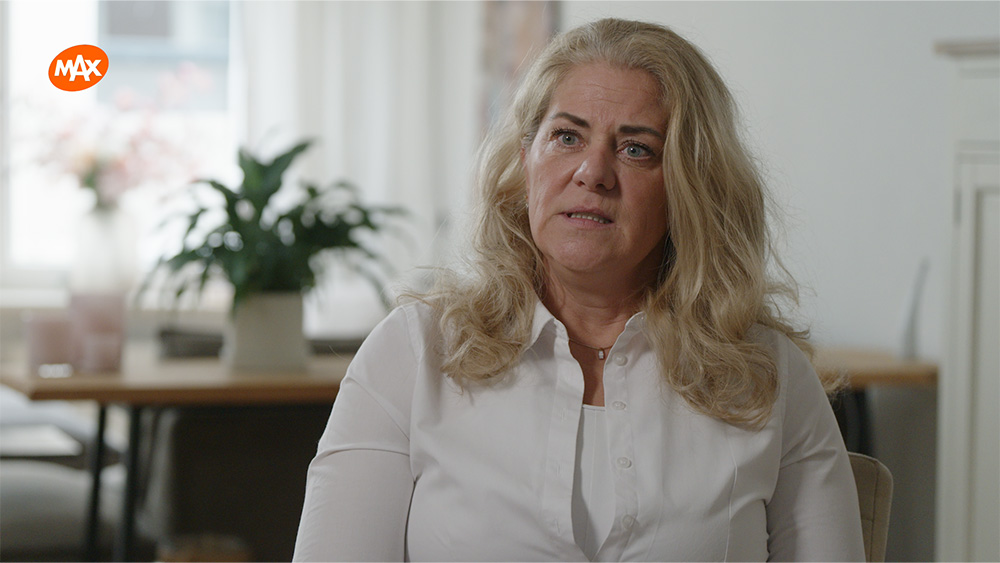
When Franka van der Poll received her ADHD diagnosis at age 48, she described the moment as a profound sense of relief: “Heel veel dingen vielen op hun plek” – many things finally fell into place. This late-in-life revelation, shared publicly through her work as a speaker and author, reflects a growing awareness of how attention-deficit/hyperactivity disorder (ADHD) presents differently in women, often leading to delayed diagnosis until adulthood. Her story, rooted in personal experience yet resonant with broader clinical patterns, underscores the importance of recognizing ADHD beyond childhood stereotypes.
Van der Poll, a Dutch speaker, author, and self-described “multipotentialist,” has built her public platform around themes of resilience, ADHD, and menopause, frequently discussing how neurodivergence intersects with life transitions. Her memoir-style reflections, including the book SWIPE ‘liefde’, use humor and candor to explore everyday challenges, from online dating to career shifts, while framing ADHD not as a deficit but as a different way of processing the world. In interviews, she emphasizes that her diagnosis did not come as a sudden label but as a key to understanding lifelong patterns of intensity, creativity, and struggle with focus and emotional regulation.
Her narrative aligns with clinical insights showing that ADHD in women is frequently underidentified due to internalized symptoms like inattention, emotional dysregulation, and masking behaviors, which contrast with the more overt hyperactivity often seen in boys. Many women reach adulthood without recognition of their neurotype, attributing challenges to personal failure rather than neurobiological differences. Van der Poll’s openness about her journey contributes to reducing stigma and encouraging others to seek evaluation, particularly during midlife when hormonal shifts—such as those in perimenopause and menopause—can exacerbate ADHD symptoms.
While van der Poll does not frame her diagnosis as a medical endpoint, she consistently highlights the transformative power of self-awareness: understanding one’s neurology allows for better self-advocacy, tailored coping strategies, and compassion rather than self-criticism. Her message resonates within a broader movement advocating for gender-inclusive ADHD research and diagnostic practices, challenging outdated assumptions that ADHD primarily affects young boys.
This perspective is especially relevant given the increasing number of adults seeking ADHD assessment worldwide. Clinicians note that adult presentations often involve difficulties with time management, task initiation, emotional sensitivity, and maintaining focus in uninteresting but necessary activities—symptoms that can be mistaken for anxiety, depression, or stress-related burnout. For women, these challenges may be compounded by societal expectations around organization, emotional labor, and multitasking, leading to years of unexplained exhaustion.
Van der Poll’s platform extends beyond personal storytelling into active advocacy. Through public speaking engagements, social media, and her website, she creates space for others to share their experiences, particularly those navigating ADHD alongside major life changes like career shifts, parenting, or menopause. Her self-description as a “valleer” — someone who falls, gets up, and continues — captures a philosophy of resilience rooted not in perfection but in persistence.
Importantly, she avoids portraying ADHD as a superpower or a tragedy, instead advocating for a nuanced view: neurodiversity brings both strengths and real challenges that require accommodation and understanding. This balanced stance helps counter polarized narratives in public discourse, where ADHD is either romanticized as a source of genius or stigmatized as a disorder requiring correction.
Her work similarly touches on the intersection of ADHD and menopause, a topic gaining attention in clinical research. Fluctuating estrogen levels during perimenopause can influence dopamine regulation, potentially intensifying ADHD symptoms such as brain fog, mood swings, and executive dysfunction. Van der Poll’s openness about experiencing both transitions simultaneously offers a rare, lived perspective on how these biological shifts can compound — or, in her framing, ultimately clarify — one’s self-understanding.
While she does not prescribe specific treatments, van der Poll consistently encourages professional evaluation and individualized approaches, whether through therapy, coaching, medication, or lifestyle adjustments. Her emphasis remains on self-knowledge as the foundation for well-being: knowing how one’s mind works allows for strategies that work with, rather than against, neurodivergent tendencies.
In a cultural moment where conversations about mental health and neurodiversity are becoming more mainstream, voices like van der Poll’s play a vital role in humanizing diagnostic labels. By sharing her story with authenticity and humor, she invites others to reconsider their own struggles not as flaws, but as potential signals of a different neurological wiring — one that, when understood, can lead to greater self-acceptance and purpose.
As awareness grows, so does the need for accessible, gender-sensitive diagnostic pathways and post-diagnosis support. Van der Poll’s ongoing advocacy contributes to this shift, reminding audiences that diagnosis is not an endpoint but a beginning: a chance to reframe the past, adjust the present, and move forward with greater clarity.
For readers interested in learning more about adult ADHD, particularly in women, reputable sources such as CHADD (Children and Adults with Attention-Deficit/Hyperactivity Disorder) and ADDitude offer evidence-based information, screening tools, and directories of specialists. National institutes of health in various countries also provide guidelines on adult ADHD assessment and management.
While van der Poll’s journey is personal, its implications are collective: the more we understand the diverse ways ADHD manifests across genders and lifespans, the better equipped we are to support those who have long struggled in silence. Her message — that understanding brings peace — remains a powerful invitation to look inward with kindness and curiosity.
There are no upcoming public events or scheduled announcements directly tied to van der Poll’s advocacy at this time that have been verified through official channels. Her ongoing work continues through her website, social media platforms, and speaking engagements, where she regularly shares updates on her writing and public appearances.
If you found this perspective helpful or recognize someone who might benefit from hearing a relatable account of late ADHD diagnosis, consider sharing this article. Conversations like these help break down stigma and encourage others to seek the understanding they deserve.