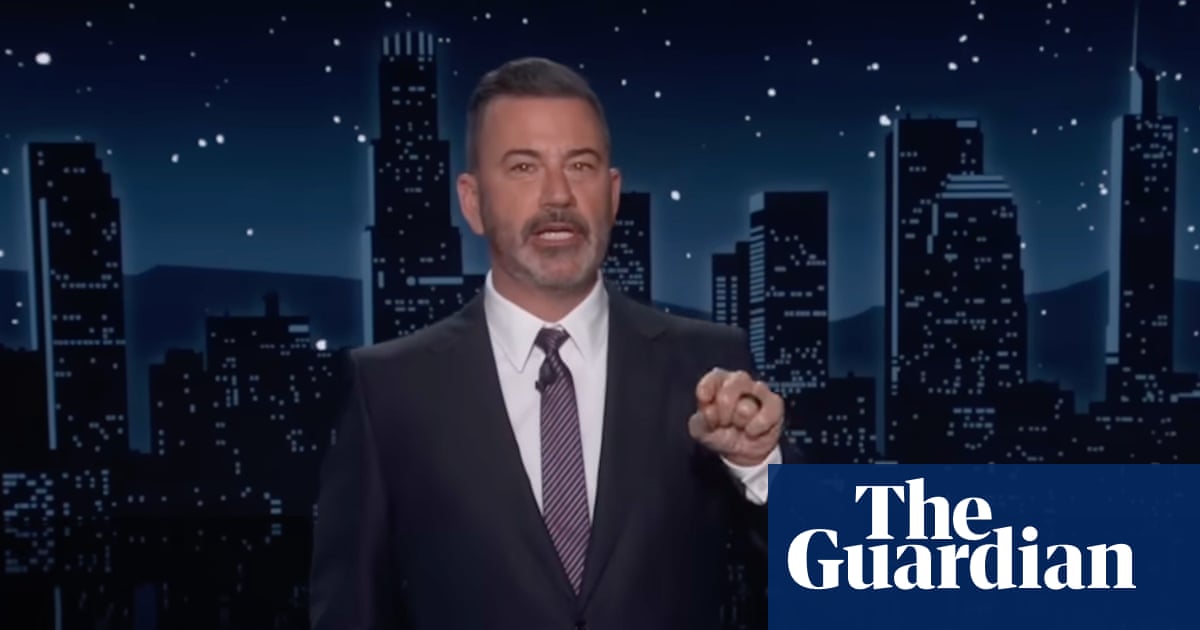
Jimmy Kimmel mocked Donald Trump’s recent commentary regarding Middle East diplomacy and geography during a broadcast of Jimmy Kimmel Live!, specifically referencing a $300 billion figure associated with Iran. The comedian joked that Melania Trump might be interested in securing a similar financial arrangement, following discussions among late-night hosts regarding the former president’s conduct at the G7 summit and his grasp of international borders.
The monologue centered on the intersection of political policy and personal satire. Kimmel used the specific mention of a $300 billion figure—a number linked to discussions surrounding Iran’s economic standing and international deals—to pivot to a joke about the former First Lady. According to the broadcast, Kimmel suggested that Melania Trump would be “wondering” how she could obtain a deal of that magnitude.
The Melania Trump Joke and Financial Commentary
Kimmel’s commentary functioned as a critique of the economic scale of discussions involving the Trump administration’s approach to Iran. While the $300 billion figure serves as a centerpiece for the comedian’s punchline, it reflects the broader, high-stakes nature of Middle Eastern negotiations that have characterized recent years of U.S. foreign policy. By directing the joke toward Melania Trump, Kimmel utilized a common trope in late-night satire, framing the former First Lady as being primarily interested in the financial windfall of such international agreements.
This segment follows a trend in late-night television where hosts use the personal lives and perceived motivations of the Trump family to illustrate points about political and economic policy. Rather than focusing solely on the technicalities of the Iran deal, the monologue humanized the political tension through the lens of celebrity culture and family dynamics.
Trump’s Middle East Geography and G7 Conduct
The monologue was part of a larger trend among late-night hosts to address Donald Trump’s performance on the global stage. Specifically, the segment addressed reports of a “blunder” regarding Middle Eastern geography. Late-night commentators have frequently highlighted instances where the former president appeared to misidentify the location of nations or the specific boundaries of regional conflicts.
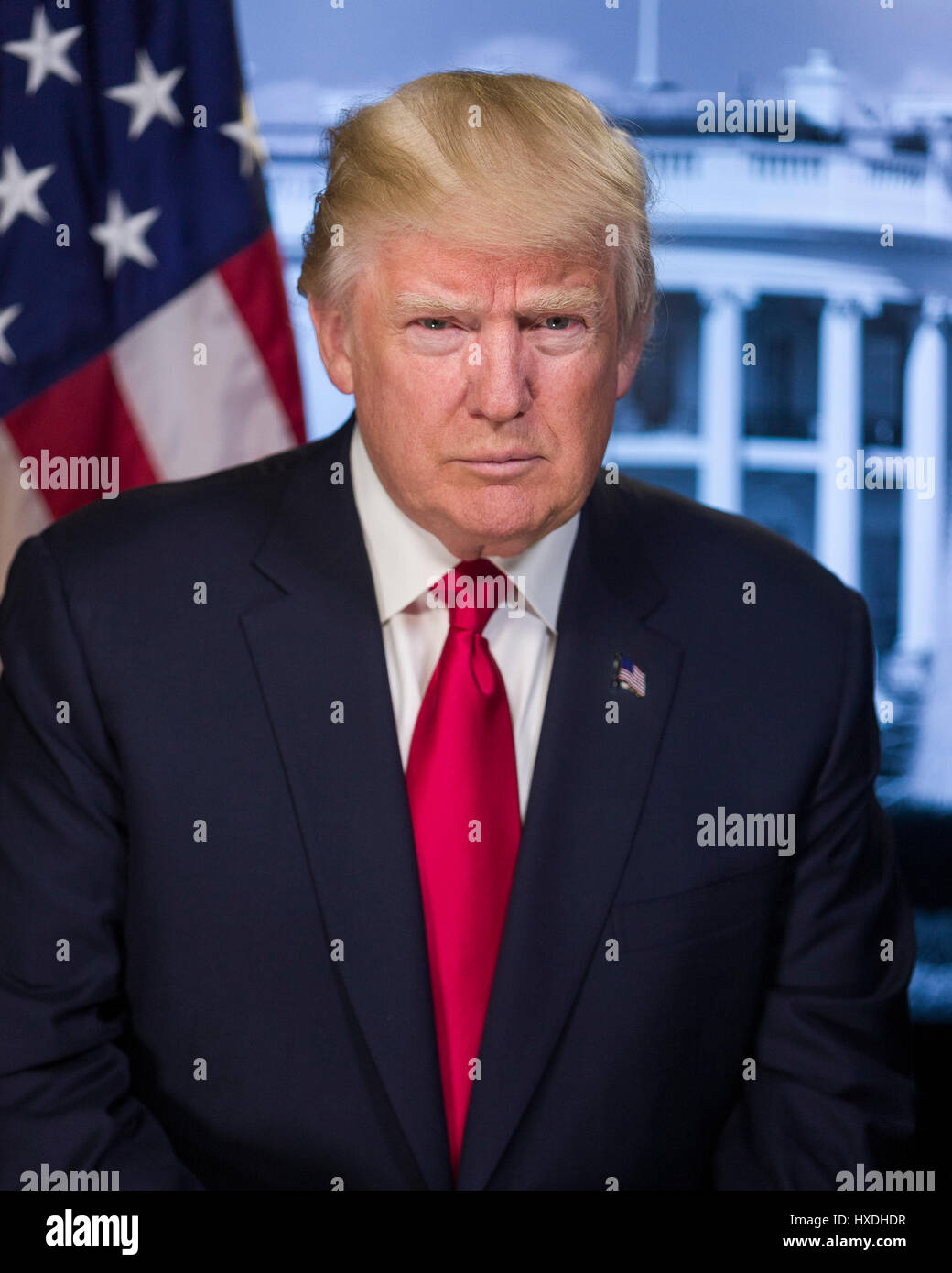
These geographic errors were discussed alongside Trump’s behavior during the G7 summit. According to various media reports, the summit was marked by tension between the U.S. administration and other world leaders, with hosts often characterizing the former president’s interactions as “childish” or unconventional for a head of state. The combination of perceived geographical inaccuracies and interpersonal friction at the summit provided the thematic foundation for Kimmel’s monologue.
The criticism of Trump’s geographical knowledge often surfaces when he discusses complex regions like the Middle East or Eastern Europe. For late-night hosts, these moments provide a simplified way to communicate complex geopolitical issues to a mass audience, using humor to highlight what they characterize as a lack of preparation or expertise in foreign affairs.
The Geopolitical Context of U.S.-Iran Relations
To understand the weight of Kimmel’s joke, it is necessary to look at the actual state of U.S.-Iran relations. The discussions regarding “peace deals” and massive financial figures usually stem from the complexities of the Joint Comprehensive Plan of Action (JCPOA) and the subsequent U.S. withdrawal from the agreement. The economic implications of sanctions, oil exports, and frozen assets often involve figures in the hundreds of billions of dollars, which provides the backdrop for the satirical claims made on television.
The term “catastrophic peace deal,” as used by various commentators, refers to the polarized views on how the Trump administration’s “maximum pressure” campaign affected regional stability. While supporters argued that the policy strengthened U.S. leverage, critics and some international observers argued it destabilized the region and complicated nuclear non-proliferation efforts.
Key elements of this diplomatic tension include:
- Sanctions Regimes: The use of economic pressure to limit Iran’s ability to fund regional proxies.
- Nuclear Negotiations: The ongoing struggle to establish limits on Iran’s enrichment capabilities.
- Regional Geography: The strategic importance of the Strait of Hormuz and the borders of neighboring states, which often becomes a point of contention in diplomatic discussions.
Key Takeaways: The Intersection of Satire and Diplomacy
- Satire as Commentary: Late-night hosts like Jimmy Kimmel use personal jokes (e.g., regarding Melania Trump) to draw attention to large-scale economic and political news.
- Geopolitical Focus: The monologue highlights a recurring theme in political criticism: the former president’s perceived lack of familiarity with global geography.
- Economic Scale: The mention of $300 billion reflects the massive financial stakes involved in Middle Eastern diplomacy and sanctions.
- Summit Tension: The context of the joke is rooted in the reported friction during the G7 summit and the broader debate over U.S. leadership in international forums.
Frequently Asked Questions
What was the specific joke made by Jimmy Kimmel?
Jimmy Kimmel joked that Melania Trump would be looking for a way to secure a $300 billion deal, following news reports regarding Donald Trump’s comments on Iran and Middle East diplomacy.

Why is geography a topic of discussion for late-night hosts?
Late-night hosts frequently use Donald Trump’s comments about international borders and the locations of various countries as a comedic way to question his expertise in foreign policy and global affairs.
What is the significance of the $300 billion figure?
While the figure is used satirically in the monologue, it represents the massive scale of economic interests, oil revenues, and sanctions-related funds that are central to U.S.-Iran diplomatic discussions.
How did the G7 summit impact these discussions?
The G7 summit served as a backdrop for discussions about Trump’s leadership style and his ability to work with international allies, which late-night hosts often frame through a critical or satirical lens.
The next scheduled updates regarding U.S. foreign policy and potential developments in Middle East diplomacy are expected to follow the next round of official diplomatic summits and international security briefings. Please share your thoughts on the role of satire in modern political discourse in the comments below.