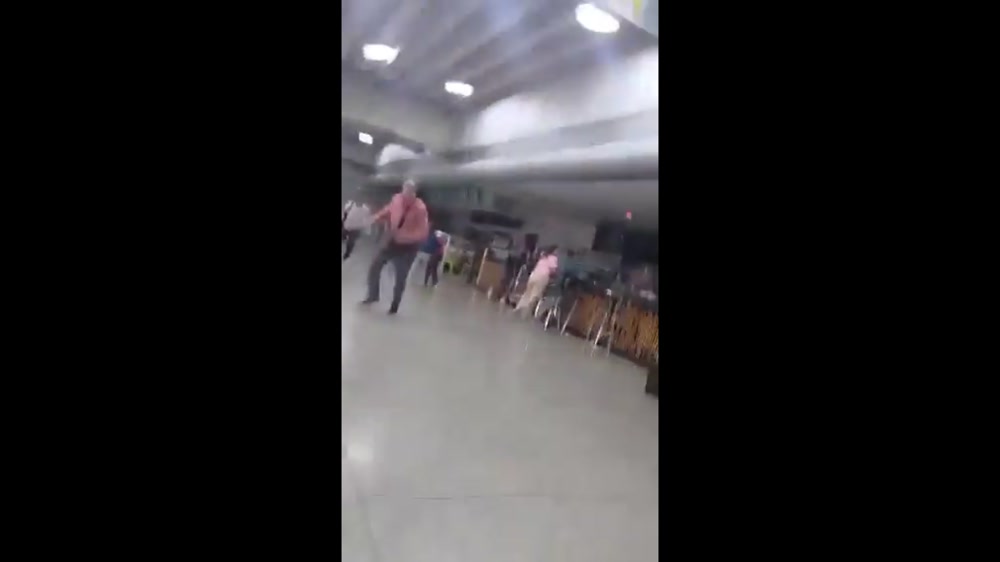
A series of seismic events in Venezuela has prompted public concern and emergency evacuations at major transit hubs, including reports of tremors felt within airport facilities. While regional monitoring agencies are actively assessing the geological data, authorities have focused on ensuring infrastructure safety and managing passenger procedures following the ground movement.
According to the Fundación Venezolana de Investigaciones Sismológicas (FUNVISIS), which serves as the primary government body for seismic monitoring in the country, Venezuela is situated in a complex tectonic setting where the Caribbean and South American plates interact. This geographical reality makes the nation prone to frequent, though often minor, seismic activity. Officials from the National Directorate of Civil Protection have urged the public to remain calm and follow established safety protocols during and after any reported shaking, emphasizing that infrastructure resilience remains a priority for transit authorities.
Understanding Seismic Activity in Venezuela
Seismic events in Venezuela are primarily driven by the movement of the Boconó, San Sebastián, and El Pilar fault systems. Data provided by the United States Geological Survey (USGS) indicates that the northern region of the country, where the majority of the population resides, is the most seismically active. When a tremor occurs near high-density areas or critical infrastructure like airports, standard operating procedures are triggered to evaluate the structural integrity of runways, control towers, and passenger terminals.

The impact of such events often leads to temporary pauses in operations as technicians conduct safety inspections. Airport administrators are mandated to prioritize the safety of travelers and staff, a process that includes checking for cracks in foundations and verifying that communication systems remain operational. Travelers are encouraged to monitor official channels from their respective airlines and local aviation authorities for real-time updates regarding potential flight delays or terminal adjustments.
Safety Protocols and Public Response
During a seismic event, the immediate priority for both airport staff and passengers is to minimize risk by following standardized “drop, cover, and hold on” procedures. Emergency management experts note that modern airport facilities are generally constructed with seismic-resistant engineering; however, the psychological impact of a tremor can cause significant disruption. According to guidelines published by the International Federation of Red Cross and Red Crescent Societies, remaining in designated safe zones and avoiding elevators are critical steps to take when initial shaking begins.
In the aftermath of a tremor, authorities typically initiate an assessment phase. This involves:
- Visual inspection of structural supports and glass facades.
- Verification of power grids and electronic navigation systems.
- Coordination with emergency response units to ensure clear exit routes for passengers.
Monitoring Future Developments
Geological monitoring is a continuous process. Agencies such as FUNVISIS maintain a network of seismographs across the country to track aftershocks and provide early warnings where possible. For residents and travelers, the most reliable way to stay informed is through the official social media channels of the FUNVISIS X (formerly Twitter) account, which provides the most accurate, real-time data on the magnitude, depth, and epicenter of any seismic activity.

While seismic activity is a natural phenomenon that cannot be predicted with precision, the focus remains on preparedness. Travelers heading to or from Venezuelan airports should check the status of their flights through official airline websites or verified airport authority portals before arriving. As authorities continue to monitor the situation, updates regarding facility safety and operational status will be posted via official government news bulletins. We invite readers to share their experiences or questions in the comments section below, and we will continue to provide verified updates as they become available.
Worth a look