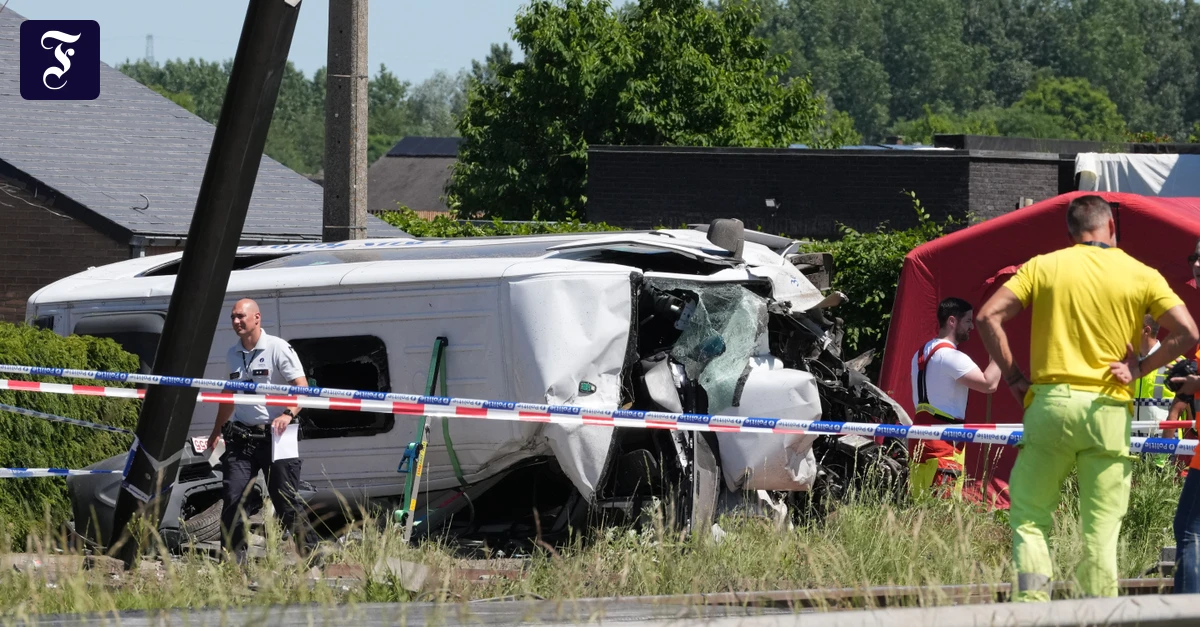
The tragic train accident in the municipality of Buggenhout, Belgium, has left the local community in shock as emergency services continue their coordinated response efforts. The incident, which occurred amidst the region’s transport network, has prompted an immediate investigation by local authorities to determine the causal factors behind the collision. Given the severity of the event, the focus remains on the identification of victims, the provision of support to the affected families and the stabilization of the site.
As details continue to emerge from official channels, the impact of this rail disaster is being felt well beyond the immediate vicinity of Buggenhout. Coordination between regional police forces, emergency medical responders, and national rail transport authorities is currently the priority. The Belgian Federal Railway (SNCB/NMBS) and Infrabel, the infrastructure manager, are working in tandem with emergency services to secure the tracks and commence the procedural steps necessary to analyze the technical aspects of the crash, as mandated by the Belgian national rail safety protocols.
Emergency Response and Ongoing Investigations
The immediate aftermath of the incident saw a significant deployment of specialized rescue units. According to reports from the local emergency services, the primary objective in the hours following the collision was the extraction of passengers and the deployment of triage centers. The safety of the rail network in Belgium is governed by strict regulations, and the current investigation is expected to examine both technical signals and human operational factors. For those seeking official updates regarding the status of transit lines or safety protocols, the official Belgian government portal remains the primary source for verified administrative information.

While the investigation is in its early stages, the local authorities have emphasized that they are working to provide clarity for the families involved. The complexity of such incidents requires a multi-agency approach, involving the public prosecutor’s office, which oversees the forensic analysis of the accident scene. The public has been advised to rely solely on statements from designated police spokespersons and municipal officials to avoid the spread of misinformation during this sensitive period.
Safety Standards and Rail Infrastructure
Belgium’s rail network is one of the densest in the world, and incidents of this nature trigger mandatory reviews by the national safety authority. These investigations typically involve a comprehensive analysis of the “black box” data from the train, the maintenance logs of the infrastructure, and the signaling history at the time of the event. The commitment to railway safety is a central pillar of the Belgian transport policy, and any failure in these systems is subject to intense public and parliamentary scrutiny.

The resilience of the local community is being tested, with local social services and psychological support teams mobilized to assist survivors and those grieving. The municipality of Buggenhout has initiated support measures to ensure that the immediate needs of the families are met, working in coordination with regional health authorities. For continued updates, residents and stakeholders are encouraged to monitor official public broadcaster reports, which provide consistent and verified information as We see released by the relevant ministerial bodies.
Key Information for Residents and Travelers
In light of this event, the following points remain critical for the public to understand regarding the ongoing situation:

- Official Communication: All verified casualty figures and investigative findings will be channeled through the public prosecutor’s office and the municipal administration.
- Support Services: Psychological support and humanitarian aid are being coordinated by local authorities for those directly affected by the accident.
- Transport Updates: Travelers are advised to check the official SNCB/NMBS website for real-time information regarding rail disruptions and alternative transit options in the affected corridors.
- Public Cooperation: The public is urged to respect the cordoned-off areas to allow forensic and rescue teams to perform their duties without interference.
As the investigation proceeds, the next significant update is expected from the public prosecutor’s office, which will likely provide a preliminary timeline for the forensic analysis once the site has been fully cleared and secured. We will continue to monitor the situation and provide further reports as confirmed, verified information becomes available. We encourage our readers to share this information to ensure that members of the community remain informed through official and reliable channels during this difficult time.
Keep reading
- Sen. Lindsey Graham, influential lawmaker and Trump ally, dies at 71 after a brief illness
- Miranda (43) viel in een ravijn na quad-ongeluk op Bali: ‘Ik was bang dat ik dood zou gaan als ik in slaap zou vallen’ – De Telegraaf
- Top U.S. and World Headlines: Democracy Now! July 10, 2026 (world-today-news.com)