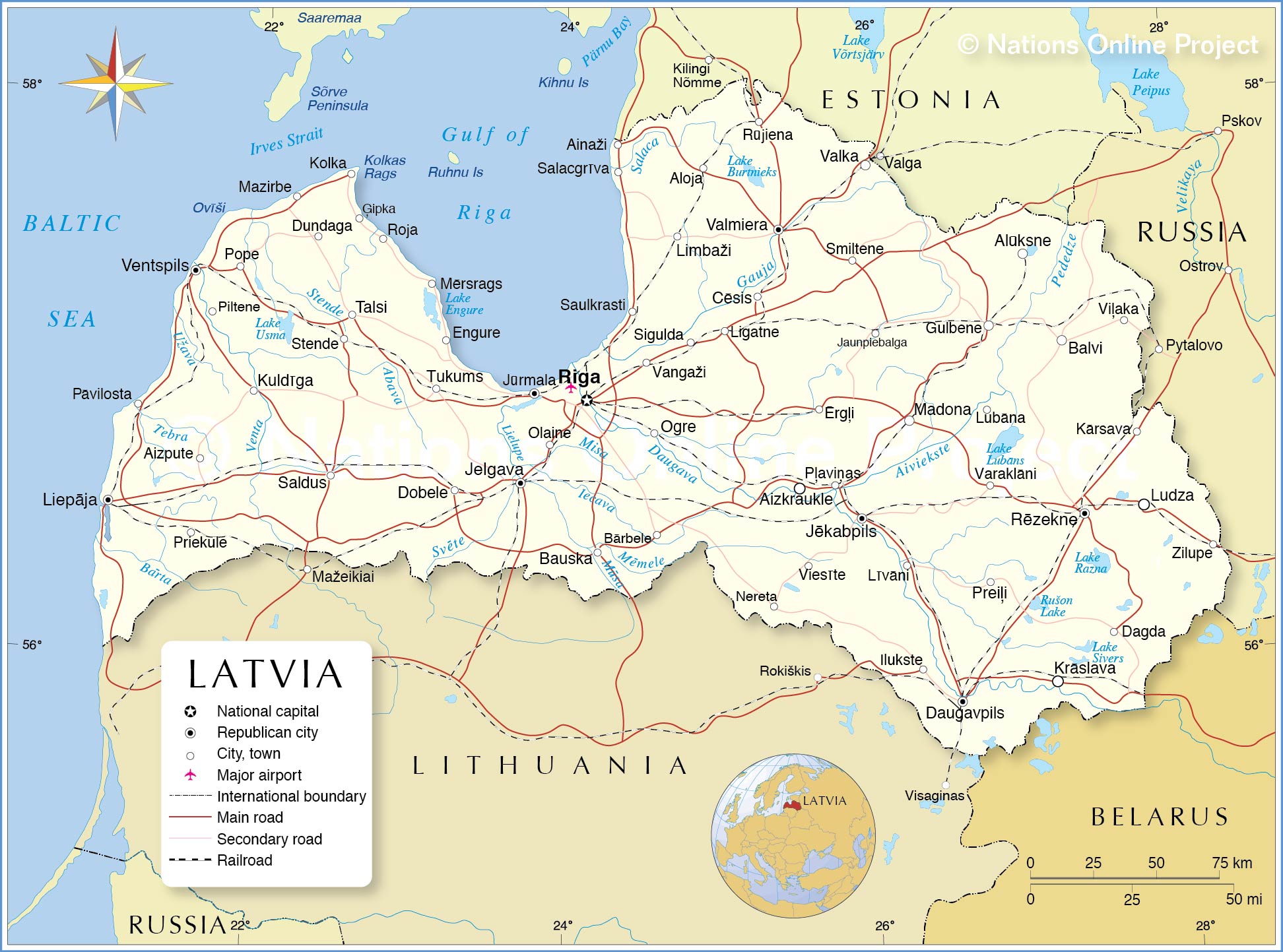
Latvia marks June 14 annually as the Day of Commemoration of Victims of Communist Terror, a solemn national observance honoring those deported or repressed by the Soviet regime during the 1941 June deportations. Across the country, citizens gather at memorials and railway stations to acknowledge the mass removal of approximately 15,400 Latvian residents—including families, children, and political leaders—who were forcibly relocated to remote regions of the Soviet Union. According to the Museum of the Occupation of Latvia, these actions were part of a coordinated effort by Soviet authorities to neutralize potential resistance and suppress the Baltic state’s social and political structures.
Historical Context of the 1941 Deportations
The June 14, 1941, deportations represent a defining tragedy in 20th-century Latvian history. Under the orders of the Soviet administration, thousands were rounded up in the early morning hours, often given only minutes to pack personal belongings before being loaded onto cattle wagons. As documented by the Museum of the Occupation of Latvia, the victims were selected based on their social status, professional roles, or involvement in national organizations, with many dying due to harsh conditions in labor camps or during the journey to Siberia.
The scale of the operation was immense, aimed at the systematic destruction of the Latvian intelligentsia and middle class. While 1941 serves as the focal point for the June 14 remembrances, historians emphasize that this was merely the beginning of decades of Soviet-era repression. The Republic of Latvia official portal notes that subsequent waves of deportations in 1949 further devastated the nation’s demographic and cultural fabric, leaving deep scars on survivors and their descendants.
National Commemoration and Public Reflection
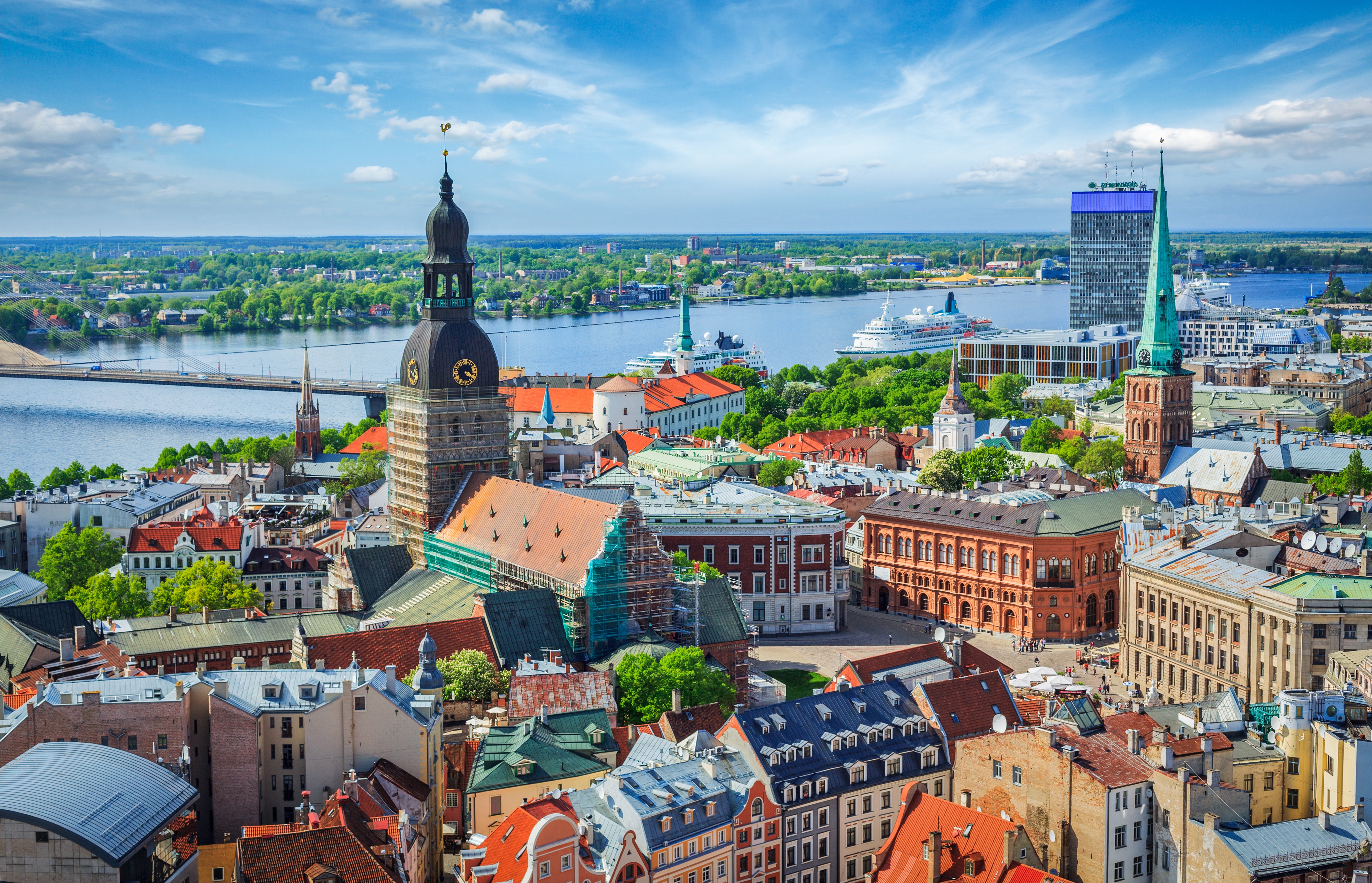
State officials and local communities across Latvia utilize the anniversary to hold wreath-laying ceremonies, silent vigils, and educational programs. In Riga, the Freedom Monument often becomes the center of these activities, where high-ranking government officials, including the President of Latvia, join the public in reflecting on the importance of national sovereignty. Official statements frequently emphasize that the preservation of modern Latvian independence is the most significant tribute to those who suffered under totalitarian rule.
In smaller municipalities, such as Skrunda and Kandava, local historical societies play a vital role in keeping these narratives alive by facilitating oral history projects. These initiatives allow younger generations to hear firsthand accounts from survivors, ensuring that the legacy of the deportations is not lost to time. The Saeima (Parliament of Latvia) continues to support legislative efforts to document these historical events, providing funding for research and public exhibitions that detail the mechanisms of Soviet-era state terror.
Why the Legacy of Repression Matters Today
The commemoration is not merely a historical ritual but a focal point for current geopolitical discourse regarding security and democracy in the Baltic region. By acknowledging the trauma of the past, Latvian authorities argue that the nation reinforces its commitment to democratic values and international law. This perspective is frequently echoed by the Ministry of Foreign Affairs, which highlights how the historical experiences of Baltic nations inform their current foreign policy stances on regional stability and security alliances.
For many families, the day remains deeply personal. The process of uncovering the fates of missing ancestors—many of whom have only recently been identified through newly accessible archives—continues to be a priority for the National Library of Latvia and various research institutions. These archives serve as a repository of evidence, detailing the names of those deported, the locations of their exile, and the circumstances surrounding their detention, providing closure for families who spent decades without information regarding their loved ones.
Looking Ahead: Education and Archive Access
Moving forward, the primary focus for Latvian institutions is the digitization of records related to the Soviet era to ensure that future generations have unfiltered access to the truth. The National Archives of Latvia regularly updates its online databases, allowing researchers and private citizens to search for records of repressed individuals. These resources are essential for maintaining an accurate historical record and countering historical revisionism.

The next major official update regarding historical research and national commemoration events is expected to be released by the State Chancellery ahead of the next cycle of public remembrances. Citizens interested in participating in future memorial events or accessing historical documentation are encouraged to monitor the official announcements from the Ministry of Culture and local municipal websites. We invite readers to share their reflections on the importance of historical memory in the comments section below.