Near-Disaster at the Mexico City Grand Prix: Lawson’s Close Call Highlights Track Safety Concerns
Formula 1 driver Liam Lawson faced a terrifying moment during the recent Mexico City Grand Prix, narrowly avoiding a collision with track marshals. The incident, occurring on lap three after Lawson’s pit stop, has ignited a critical conversation about safety protocols and interaction within Formula 1 racing.This article delves into the details of the near-miss, the FIA’s investigation, and the broader implications for track safety in motorsport.
The Incident Unfolds
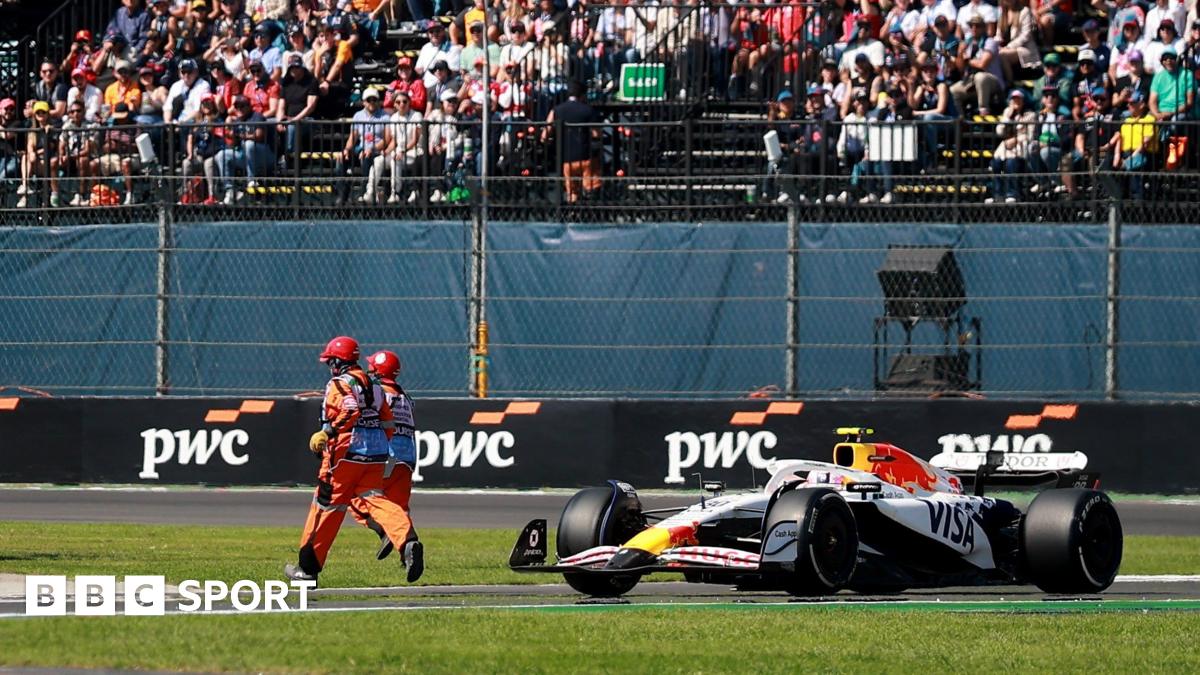
Lawson, driving for Racing Bulls, rejoined the race with a fresh set of hard tires. As he approached Turn One, he was confronted with the shocking sight of two marshals running across the active track. He instantly voiced his disbelief and concern over team radio, stating he “could have… killed them.”
Clearly shaken after the race, Lawson elaborated on the dangerous situation. He explained that the presence of marshals on the track while cars were still circulating was “pretty unacceptable.” The driver emphasized that such a miscommunication and lapse in safety procedures had never occurred during his racing career.
FIA Investigation and Initial Findings
Following the incident, the International Automobile Federation (FIA), Formula 1’s governing body, launched a full investigation. Initial reports indicate that marshals were alerted to debris on the track at the apex of turn One. They were placed on standby to retrieve the debris once all cars had passed.
However, the situation quickly changed when Lawson pitted. Instructions to dispatch the marshals were rescinded, and a double yellow flag was displayed in the area. The FIA is now focused on understanding what transpired after those instructions were withdrawn,and why marshals remained on the track.
Why Was This So Dangerous?
Consider the speed at which Formula 1 cars travel. Lawson was approaching Turn one at significant velocity,making reaction time incredibly limited.A collision with a marshal would have had devastating consequences for all involved.
Furthermore, the incident raises questions about the clarity of communication between race control, marshals, and teams. A breakdown in this communication chain is the most likely cause of the near-disaster. You can understand why Lawson felt so strongly about the situation.
the Importance of Track Marshal Safety
Track marshals are essential to the safe running of any motorsport event. They provide critical support in managing incidents, clearing debris, and assisting injured drivers. Their role is inherently dangerous, and their safety must be paramount.
here’s why robust safety protocols are non-negotiable:
* Immediate Response: Marshals need clear, unambiguous instructions regarding when it is indeed safe to enter the track.
* Communication Systems: Reliable communication systems are vital for ensuring everyone is aware of the track status.
* Training and Procedures: Complete training and adherence to established procedures are crucial for preventing accidents.
* Visibility: Marshals must be easily visible to drivers, especially in challenging conditions.
Beyond Mexico City: A Broader Look at F1 Safety
this incident serves as a stark reminder that even in a sport as safety-conscious as Formula 1, risks remain. While significant advancements have been made in driver safety over the decades,track marshal safety deserves equal attention.
You might recall several other incidents in motorsport history that have highlighted the dangers faced by track personnel. These events have consistently led to improvements in safety regulations and procedures. This latest incident should prompt a renewed focus on ensuring the safety of those who volunteer their time to make racing possible.
Evergreen Section: The Evolution of Motorsport Safety
Motorsport safety has undergone a dramatic change since its early days. Initially, racing was incredibly perilous, with minimal protection for drivers and track personnel. Over time, innovations like the roll cage, the fireproof racing suit, and the HANS device (head and Neck support) have considerably reduced the risk of serious injury.
however, safety isn’t a static achievement. it requires continuous evaluation, adaptation, and investment. The FIA plays a central role in setting safety standards and promoting best practices across all levels of motorsport. The ongoing development of virtual safety car procedures, track design improvements, and advanced warning systems are all examples of this commitment.
FAQ: Addressing Your questions About the Mexico City incident
1. What is the FIA doing to investigate the Liam Lawson incident?