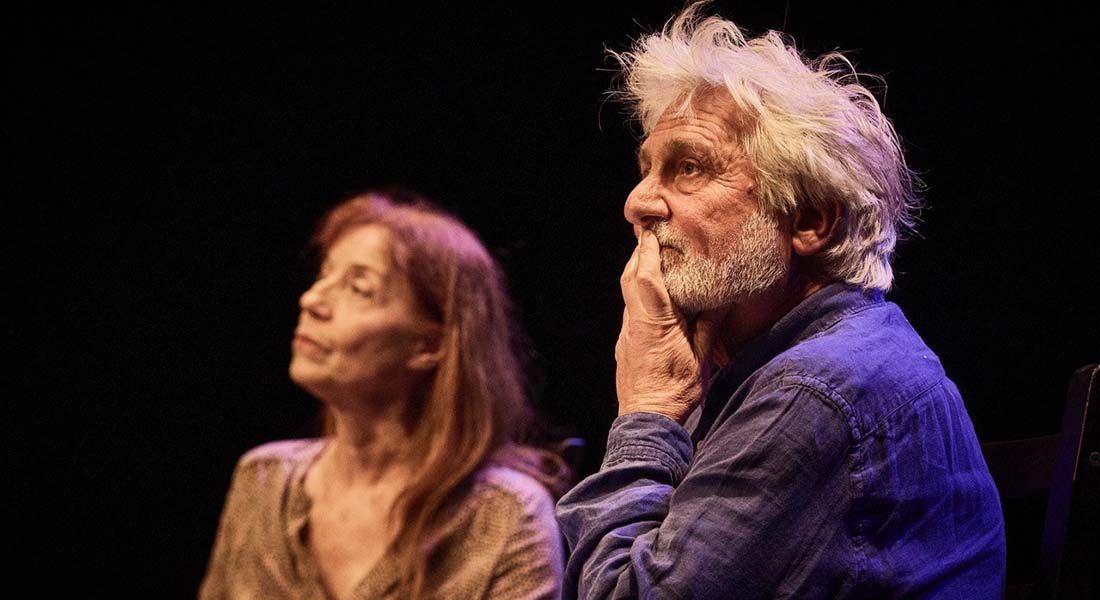
In the world of performing arts, few archetypes command as much intrigue and philosophical weight as the figure of the clown. Far from the simplistic caricature of circus entertainment, the “clown” in contemporary French theater—often explored in publications like La Terrasse—represents a profound stripping away of the ego. It is a raw, vulnerable exploration of the human condition that challenges actors to confront their own internal landscapes. For the professional performer, stepping into the skin of the clown is not merely a technical exercise; it is an act of artistic metamorphosis that demands total honesty.
The dialogue surrounding the craft often centers on the idea that the actor is the primary vessel for art. Much like a painter who approaches a blank canvas in the solitude of a studio, a theater practitioner must approach the stage with a similar degree of intentionality and exposure. This practice, frequently discussed in the context of La Terrasse, emphasizes that the “clown” persona acts as a mirror, reflecting the performer’s inner growth and psychological evolution. It is a discipline that requires the actor to discard social masks, revealing the “inner being” that often remains hidden behind conventional character work.
The Philosophy of the Clown in Modern Performance
At its core, the study of the clown as a “poem”—a poetic manifestation of human fragility—is rooted in the work of masters such as Jacques Lecoq, whose pedagogical approach revolutionized how actors understand their physical presence. Lecoq’s methodology, which remains a cornerstone of drama schools worldwide, posits that the clown is the “poet of his own madness.” By embracing failure, clumsiness and the absurdity of existence, the actor achieves a state of authentic connection with the audience. This is not about performing a role; it is about existing in a state of constant, playful discovery.

The significance of this approach lies in its ability to bypass the intellect. In an era where digital media often prioritizes polished, curated personas, the theater offers a sanctuary for the unvarnished truth. When an actor engages with the clown, they are participating in a tradition that values the “here and now.” As noted by various theater critics in archival reviews of contemporary stage works, the power of this performance style rests in the performer’s willingness to be seen in their most imperfect state. This vulnerability is exactly what fosters a deep, visceral empathy between the stage and the observer.
Technique and the Artistic Atelier
The comparison between an actor’s process and a painter’s studio is particularly apt. A painter requires light, space, and a certain degree of isolation to manifest their vision; similarly, the actor requires a “safe space” to experiment with the clown’s physicality. This involves a rigorous training of the body, where every gesture, breath, and silence is calibrated to express a truth that words cannot fully capture. The “atelier” of the theater is a laboratory for the soul.

For those interested in the evolution of these performance techniques, the Bibliothèque nationale de France provides extensive documentation on the history of French dramatic arts and the development of clowning as a serious theatrical discipline. The transition from the traditional circus clown to the “poetic clown” of the theater represents a shift in focus from spectacle to introspection. It is a movement that has moved from the margins of performance art into the center of experimental theater, influencing how modern directors approach character development.
Why the Clown Matters Now
Why does this archaic yet evolving figure continue to resonate with modern audiences? Perhaps it is because, in an increasingly complex and disconnected world, the clown reminds us of our shared humanity. The clown’s failure is our failure; the clown’s joy is our joy. By witnessing an actor “grow” through their clown persona, the audience is invited to embark on their own journey of self-reflection. It is an exercise in communal vulnerability.

This artistic pursuit is not without its challenges. It requires a level of courage that is rare in the high-stakes world of professional entertainment. It asks the performer to stop “acting” and start “being.” As we look toward the future of global theater, the influence of these pedagogical traditions remains a vital force. Whether on the stages of Paris or in experimental black-box theaters in Los Angeles, the search for the “poetic clown” continues to challenge our understanding of what it means to perform.
Key Insights into the Performer’s Journey
- Authenticity Over Artifice: The clown persona demands the removal of social defenses, allowing for a more genuine connection with the audience.
- The Physicality of Truth: Techniques derived from Lecoq and others emphasize that truth is found in the body, not just the script.
- The Studio Mindset: Viewing the stage as an “atelier” encourages a process-oriented approach, where experimentation and failure are essential parts of the creative cycle.
- Human Connection: By embracing absurdity and failure, the performer mirrors the universal human experience, fostering empathy.
As the conversation regarding the evolution of dramatic arts continues, we invite our readers to consider how these ancient performance concepts inform the media they consume today. Are we seeing more “clown-like” vulnerability in our favorite film performances? Or has the polish of modern production moved us further away from this raw, poetic truth? We welcome your thoughts on how the theater continues to shape our cultural landscape. Please share your perspectives in the comments section below, and stay tuned to World Today Journal for our upcoming coverage of the next major international theater festival scheduled for the fall season.
Related reading