
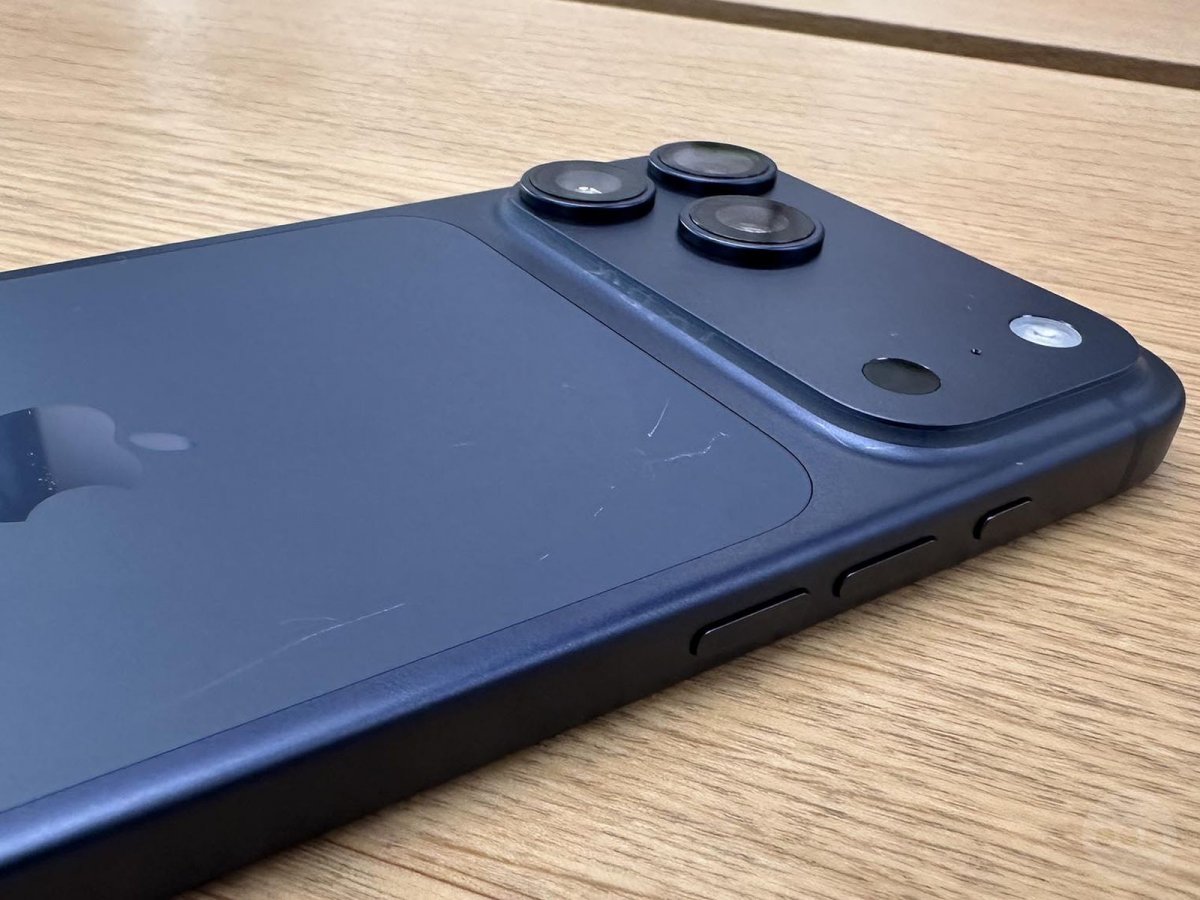
Apple is reportedly planning to equip the upcoming iPhone 18 Pro with two distinct modem configurations based on regional market requirements, according to emerging industry supply chain reports. While the company has historically sought to unify its hardware components globally, technical requirements regarding cellular infrastructure and proprietary development timelines appear to be driving a divergence in the device’s connectivity architecture for its 2026 flagship lineup.
Industry analysts and supply chain observers suggest that iPhone 18 Pro units destined for the United States market will feature a proprietary modem solution developed in-house by Apple, while units distributed in other global regions may continue to rely on long-standing hardware partnerships. This strategy reflects Apple’s ongoing multi-year effort to reduce dependency on third-party silicon suppliers, specifically Qualcomm, which has provided the baseband processors for the iPhone series for over a decade. According to official filings from Qualcomm, the company extended its 5G modem supply agreement with Apple through 2026, providing a clear timeline for the transition period.
The move toward internal modem technology is a significant engineering milestone for Apple, which has invested heavily in its own wireless research and development division since the acquisition of Intel’s smartphone modem business in 2019. By moving to proprietary hardware, Apple aims to achieve greater integration between its A-series processors and connectivity components, potentially improving battery efficiency and data throughput.
Why regional modem variations occur
The decision to split modem hardware by region is largely dictated by the complexity of global cellular standards. Cellular networks vary significantly in their implementation of 5G bands and carrier aggregation techniques. In the United States, carriers such as Verizon, AT&T, and T-Mobile operate distinct spectrum portfolios that necessitate highly specific modem tuning. Apple’s internal modem team is reportedly prioritizing these domestic requirements to ensure that the transition does not negatively impact user experience in its home market.
Conversely, international markets often require support for a wider array of legacy and emerging frequency bands, including specific sub-6GHz configurations that are more prevalent in Europe and Asia. Maintaining a dual-track strategy allows Apple to deploy its own silicon in a controlled environment—the U.S.—while ensuring that international users benefit from the proven stability of established modem providers. This approach mirrors the company’s past strategy during the transition from Intel to Apple Silicon in Mac computers, where phased rollouts were used to mitigate risks.
Performance and power efficiency expectations
For the average consumer, the primary impact of this transition will likely be measured in battery life and modem efficiency. Proprietary modems allow for “deeper” integration with the device’s power management system, potentially allowing the iPhone 18 Pro to remain in low-power states longer without losing cellular connectivity. According to recent market analysis from Counterpoint Research, baseband efficiency remains one of the most critical factors in overall smartphone power consumption, particularly as users shift toward high-bandwidth 5G applications.
However, the performance delta between the proprietary chip and the industry-standard alternatives remains an open question. Industry observers note that Apple’s primary challenge is matching the massive patent portfolio and real-world testing data that incumbents like Qualcomm have accumulated over decades. Any performance gap—whether in signal acquisition in rural areas or peak download speeds—could lead to inconsistent user experiences between U.S. and international models.
The transition timeline
The industry is currently awaiting further guidance on the manufacturing schedule for the 2026 product cycle. While supply chain leaks provide a window into the development process, official confirmation of hardware specifications typically arrives only during the product launch event, usually held in September. The Apple Investor Relations portal remains the primary source for any official announcements regarding long-term supply chain shifts or significant changes to hardware architecture.
As the industry moves toward the expected 2026 release of the iPhone 18 Pro, developers and consumers alike are monitoring for signs of how these hardware changes will be managed. The success of this transition will likely determine whether Apple fully deprecates third-party modems in future iterations of the iPhone or continues a hybrid strategy for the foreseeable future. Updates regarding the development of this hardware will be shared as more information becomes available through verified industry reports and official disclosures. We invite readers to share their thoughts on the evolution of mobile connectivity in the comments section below.