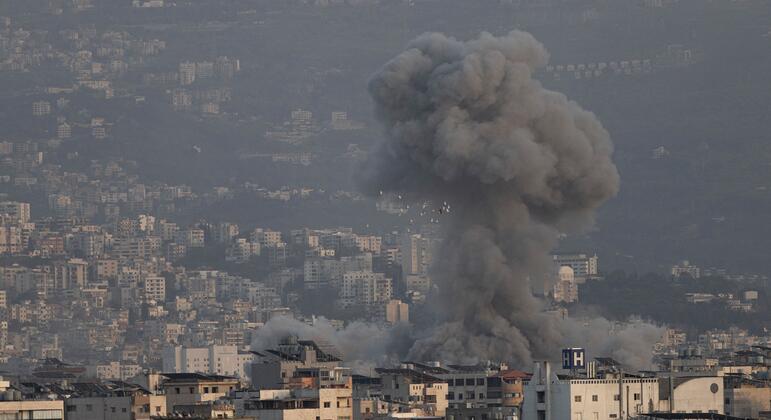
Beirut, Lebanon – The humanitarian crisis in the Middle East continues to deepen, with Lebanon now facing a particularly dire situation as the number of displaced people surpasses one million. This comes amid escalating regional tensions, including a concerning incident involving Iran’s Bushehr nuclear power plant. International organizations are scrambling to provide aid, but access remains a significant challenge.
The escalating conflict is placing immense strain on already fragile infrastructure and resources across the region. While the immediate focus remains on providing emergency assistance to those directly affected by violence, concerns are growing about the long-term consequences of sustained displacement and the potential for further escalation. The situation in Lebanon is particularly acute, with a significant portion of the population now uprooted from their homes.
Lebanon’s Displacement Crisis Reaches Critical Point
According to UN agencies, more than one million people have now been displaced within Lebanon, a staggering figure that represents a significant percentage of the country’s population. UN News reported on March 18, 2026, that hundreds have been killed in the ongoing violence, and the humanitarian situation is rapidly deteriorating. The influx of displaced persons is overwhelming local resources, exacerbating existing economic and social challenges.
Local organizations, such as Mousawat, are working tirelessly to provide support to those affected, but their efforts are hampered by logistical and security constraints. The UN Office for the Coordination of Humanitarian Affairs (OCHA) highlights the increased strain on medical facilities and the growing needs of children impacted by the violence and displacement. The crisis is not only a humanitarian disaster but likewise poses a significant threat to regional stability.
Nuclear Safety Concerns Following Attack on Bushehr Plant
Adding to the regional anxieties, the UN nuclear watchdog reported on Wednesday, March 17, 2026, that a projectile struck the site of Iran’s Bushehr nuclear power plant. As reported by UN News, no casualties were reported as a result of the incident. However, the attack raises serious concerns about the safety and security of nuclear facilities in the region, particularly given the heightened tensions.
The incident at Bushehr has prompted calls for restraint and de-escalation from international leaders. The potential for miscalculation and further escalation is high, and the international community is urging all parties to exercise caution and prioritize diplomatic solutions. The attack underscores the vulnerability of critical infrastructure in the region and the necessitate for enhanced security measures.
International Condemnation and Calls for De-escalation
UN experts have strongly condemned the ongoing military assaults on both Iran and Lebanon, attributing them to the United States and Israel. According to a press release from the Office of the High Commissioner for Human Rights (OHCHR) on March 18, 2026, these actions constitute “flagrant violations of international law.” The experts warned that the conflict risks escalating into a wider regional war and setting a dangerous precedent of impunity for powerful military actors.
The OHCHR statement emphasized the urgent need for a ceasefire and a return to diplomatic negotiations. The experts also called for an independent investigation into the alleged violations of international law. The international community is increasingly concerned about the potential for a humanitarian catastrophe and the long-term consequences of the ongoing conflict.
The Role of the United States and Israel
The UN experts’ condemnation specifically names the United States and Israel as the perpetrators of the military assaults. The OHCHR press release states that these actions are in violation of international law, though specific legal justifications for this claim were not detailed in the release. This accusation has drawn strong reactions from both governments, with officials denying any wrongdoing and asserting their right to self-defense. The situation remains highly contested and politically charged.
Challenges to Humanitarian Aid Delivery
Despite the urgent need for assistance, delivering aid to those affected by the crisis is proving increasingly difficult. Logistical challenges, including damaged infrastructure and restricted access, are hindering the efforts of humanitarian organizations. Security concerns also pose a significant risk to aid workers, making it difficult to reach those in need. The UN and its partners are working to overcome these obstacles, but the situation remains precarious.
The UN agencies are scaling up emergency assistance, focusing on providing food, water, shelter, and medical care to displaced populations. However, the scale of the crisis is overwhelming, and additional resources are urgently needed. The international community must step up its support to ensure that those affected receive the assistance they desperately require. The ongoing conflict is exacerbating existing vulnerabilities and creating new challenges for humanitarian actors.
Impact on Children
The crisis is having a particularly devastating impact on children. Many have been separated from their families, and are exposed to violence, displacement, and trauma. UNICEF and other organizations are working to provide psychosocial support and protection to vulnerable children, but the needs are immense. The long-term consequences of the conflict on children’s well-being are a major concern.
Looking Ahead: The Path to De-escalation and Stability
The situation in the Middle East remains highly volatile and unpredictable. The immediate priority is to de-escalate the conflict and prevent further loss of life. A ceasefire is essential, followed by a return to diplomatic negotiations. The international community must work together to find a sustainable solution to the underlying causes of the conflict.
The humanitarian crisis in Lebanon requires immediate and sustained attention. The international community must provide adequate funding and support to address the needs of displaced populations and rebuild damaged infrastructure. A long-term commitment to stability and development is essential to prevent future crises.
The next key development to watch will be the UN Security Council’s scheduled meeting on March 26, 2026, to discuss the escalating situation in the Middle East. The outcome of this meeting could have significant implications for the future of the region. The international community is closely monitoring the situation and hoping for a peaceful resolution.
Do you have thoughts on the unfolding crisis in the Middle East? Share your comments below and help us continue to provide comprehensive coverage of this key story.
Keep reading