Lebanon Faces Critical Crossroads: Navigating the Path to Disarmament and regional Stability
The fragile peace in Lebanon is once again under strain as the United states pushes for the rapid disarmament of Hezbollah, a powerful political and military force. this renewed pressure is sparking debate within Lebanon, highlighting the complex interplay of domestic politics, regional security concerns, and the lingering consequences of past conflicts. this analysis will delve into the current situation, examining the perspectives of key players, the historical context, and the potential pathways forward – all crucial for understanding the challenges and opportunities facing Lebanon.
A Delicate Balance: Berri’s Call for Dialog
Lebanon’s Parliament Speaker Nabih Berri, a long-standing and influential figure wiht a history of mediating between factions – notably instrumental in securing the 2006 ceasefire between Israel and Hezbollah – has cautioned against a hasty approach to disarmament. Berri advocates for a “calm national dialogue” to determine the future of Hezbollah’s weaponry, aligning his position with the stated policies of President Joseph Aoun and prime Minister Nawaf Salam.This call for dialogue underscores the deeply sensitive nature of the issue and the potential for destabilization if handled without careful consideration of lebanon’s internal dynamics. Berri’s experience and established role as a negotiator lend significant weight to his concerns.
The U.S. Push and Lebanon’s internal Plan
The current push for disarmament originates from Washington, spearheaded by U.S. envoy Tom Barrack, who secured endorsements from president Aoun and Prime Minister Salam for a plan to disarm Hezbollah by year-end. this plan aims to consolidate all weaponry under the control of the Lebanese Armed Forces (LAF) and security agencies - a long-held goal of the Lebanese government. However, the speed and scope of the U.S. proposal are proving contentious.the Lebanese military is currently formulating a detailed implementation plan,but faces a significant hurdle: Hezbollah’s unwavering stance. Sheikh Naim Kassim, Hezbollah’s leader, has explicitly linked any discussion of disarmament to Israel’s complete withdrawal from the disputed Shebaa Farms and surrounding hilltops in southern Lebanon, and a cessation of near-daily Israeli violations of lebanese airspace. This condition highlights Hezbollah’s strategic calculus - viewing its military capabilities as a deterrent against Israeli aggression and a bargaining chip in ongoing territorial disputes.
Escalating Tensions: Recent Israeli Strikes and the Ceasefire Framework
The situation is further complicated by ongoing military activity. Recent intense Israeli airstrikes targeting Nabatieh province in southern lebanon, ostensibly aimed at Hezbollah infrastructure, demonstrate the continued volatility of the region. These strikes,while causing damage to civilian infrastructure,underscore Israel’s commitment to preventing Hezbollah from re-arming and maintaining its military presence in the south.
The current impasse stems, in part, from differing interpretations of the 2006 ceasefire resolution.The original agreement stipulated Hezbollah’s disarmament south of the Litani River, coupled with an Israeli withdrawal and a halt to strikes. Though,the subsequent phase – addressing disarmament in other parts of Lebanon – has remained unresolved. U.S. officials are now signaling that they do not anticipate any Israeli concessions without demonstrable progress on disarmament, a position that Hezbollah views as unacceptable.
Historical Context and Regional Implications
Understanding the current crisis requires acknowledging the historical context. Hezbollah emerged as a resistance movement during the Israeli occupation of Lebanon, gaining significant support from the Shia community. Over time, it evolved into a powerful political force, playing a prominent role in Lebanese politics and maintaining a substantial military arsenal.
The regional landscape also plays a critical role. hezbollah’s close ties to Iran, its support for the Syrian regime of Bashar al-Assad, and its alignment with Palestinian groups like Hamas all contribute to its complex geopolitical positioning. The recent Hamas-led attack on Israel in October 2023 and the subsequent escalation of conflict in Gaza have further heightened tensions,with Hezbollah launching rockets across the border in solidarity with its Palestinian allies. This escalation has resulted in a devastating conflict since September 2024, causing over 4,000 deaths and an estimated $11 billion in damage, according to the World Bank.
The Risks of Confrontation and the Search for a Lasting Solution
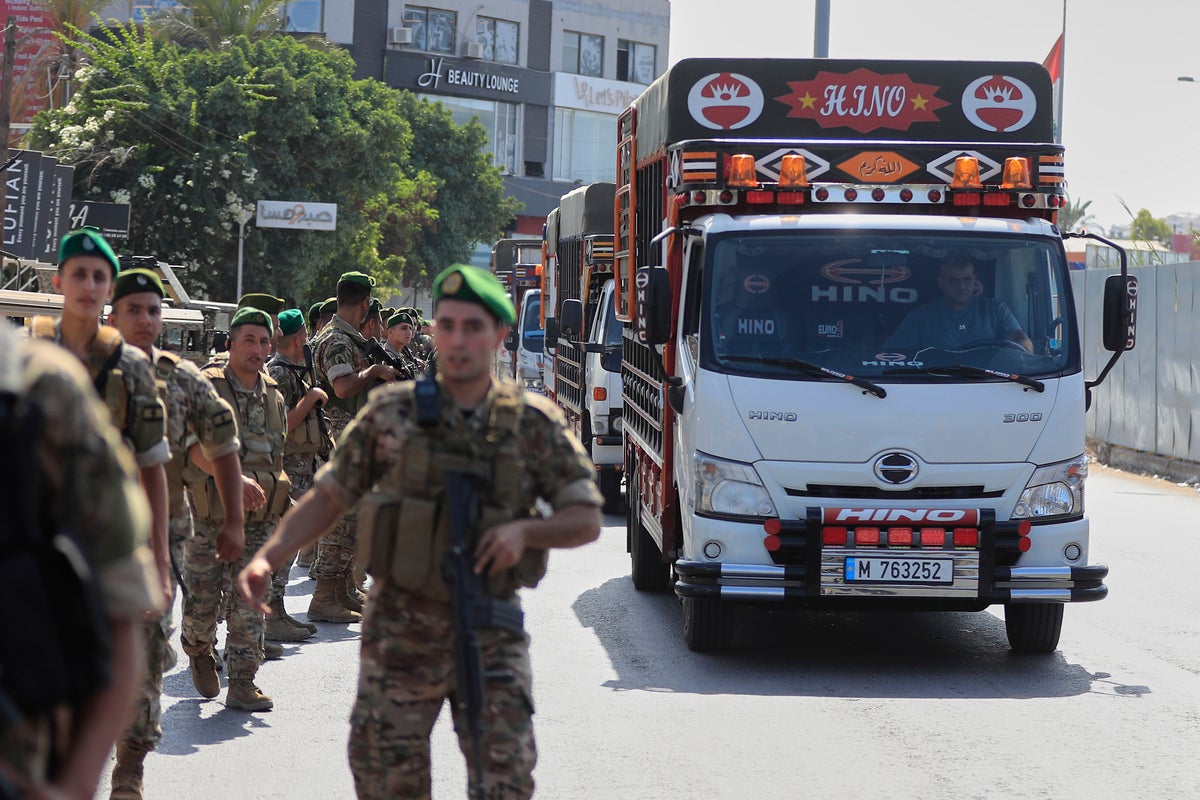
Lebanese authorities are acutely aware of the dangers of a direct confrontation between the LAF and Hezbollah. Such a conflict could plunge the country into a full-blown civil war, further destabilizing an already fragile state. However, Washington and Hezbollah’s opponents see an opportunity for disarmament, fueled by recent Israeli successes against Hezbollah commanders and the perceived weakening of Assad’s regime in Syria.
The path forward requires a nuanced and comprehensive approach