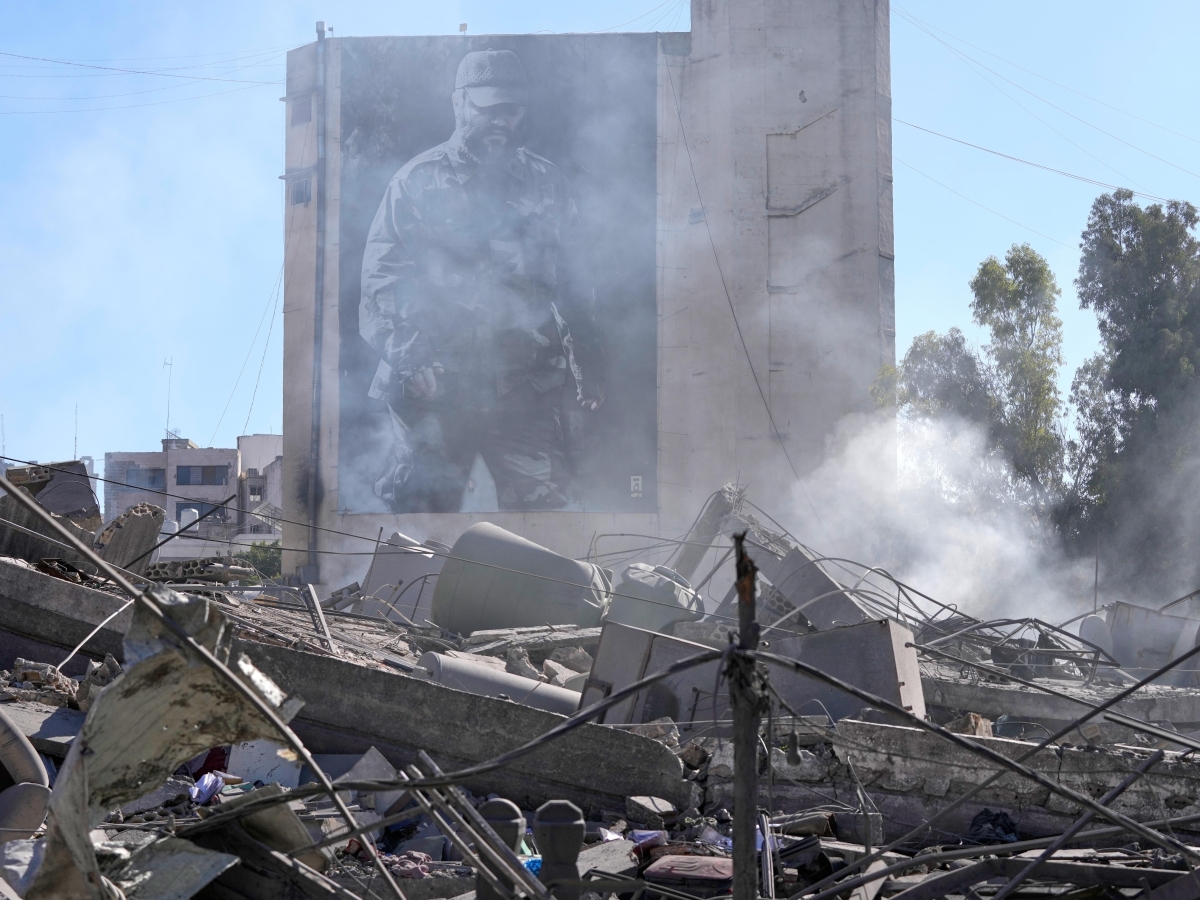
Escalating Tensions: Israeli Strikes in Lebanon Amidst Wider Regional Conflict
The conflict in the Middle East continues to broaden, with recent Israeli airstrikes targeting locations within Lebanon. These operations are unfolding against the backdrop of heightened tensions stemming from the ongoing situation in Iran, where a joint US-Israeli operation, dubbed “Operation Epic Fury” and “Operation Lion’s Roar,” is underway. Reports from the Lebanese National News Agency (NNA) indicate that several areas in southern and eastern Lebanon were targeted overnight, raising concerns about a potential escalation of hostilities.
The strikes represent a continuation of Israeli military activity in Lebanon that has been ongoing since February 23, 2026, though recent weeks have seen a shift towards more intense operations. Whereas initial phases focused on policing activities along the Lebanon-Israel frontier, the IDF has increasingly targeted what it identifies as Hezbollah assets deeper within Lebanese territory, extending as far north as the Baalbek and Hermel regions. This escalation coincides with a broader regional strategy, as Israel responds to attacks from Hezbollah and navigates the complexities of the conflict in Iran.
Recent Israeli Operations in Lebanon
According to a statement released by the Israel Defense Forces (IDF) on March 1, 2026, the military was targeting infrastructure belonging to Hezbollah’s Radwan Force commando unit near Baalbek in northeast Lebanon. The NNA Lebanon subsequently reported multiple Israeli airstrikes west of Baalbek in the Baalbek-Hermel Governorate’s Baalbek District. These strikes are part of a pattern of activity that has seen the IDF operate in 19 different locales across Lebanon over the past week.
Specifically, the IDF conducted operations in the following areas, as documented between February 23 and March 1, 2026:
- Baalbek-Hermel Governorate: Baalbek, Beit Msheik Farms, Boudai, Harabta, Nabi Sheet, and Shmistar
- Hermel District: Hermel
- Nabatieh Governorate: Bint Jbeil District (Ayta Ash Shaab, Maroun Al Ras, and Rmeish); Marjayoun District (Adaisseh, Houla, Khiam-Sarda, and Kfar Kela); Nabatieh District (Nabatieh Al Fawqa)
- South Lebanon Governorate: Jezzine District (Rihan-Sujod); Tyre District (Alma Al Shaab, Marwahin, and Shihine)
The intensity of the operations has resulted in casualties. Between February 23 and March 1, 2026, Israeli operations in Lebanon resulted in the deaths of two civilians and injuries to 29 others, all apparently civilians, according to reports. A Syrian national and a Lebanese woman were among those killed, with the majority of injuries occurring on February 26, 2026.
Escalation and Regional Context
The recent intensification of Israeli operations in Lebanon is occurring alongside a significant shift in the broader regional landscape. The IDF has deployed troops further into southern Lebanon, beyond the five posts it previously held, as part of what it describes as an “enhanced forward defense posture.” This move comes in response to increased rocket and drone attacks launched by Hezbollah towards northern Israel, following Israel’s recent actions in Iran. Defense Minister Israel Katz stated that the IDF is authorized to advance and secure additional terrain in Lebanon to prevent direct fire on Israeli communities.
The IDF’s expanded deployment involves soldiers from the 91st “Galilee” Regional Division, who have been positioned near the border area. This is coupled with an intensive bombing campaign targeting Hezbollah positions within Lebanon. On March 3, 2026, reports emerged of IDF strikes in Dahiyeh, a southern suburb of Beirut, with emergency personnel responding to the impact sites.
#Lebanon: Several killed in Israeli strike on building in Lebanon’s Baalbek https://t.co/q9q9q9q9q9
These developments follow a warning issued by Israel on Wednesday, March 4, 2026, urging residents to evacuate a swathe of south Lebanon and move north of the Litani River, signaling a potential for further escalation. The situation is further complicated by the ongoing conflict in Iran, which has prompted Hezbollah to increase its attacks on Israel.
Impact and Concerns
The escalating conflict is raising significant concerns about the potential for a wider regional war. The increased military activity in Lebanon, coupled with the ongoing operations in Iran, creates a volatile environment with the risk of miscalculation and unintended consequences. The civilian casualties reported in Lebanon underscore the human cost of the conflict and the need for de-escalation. The evacuation order issued by Israel too highlights the growing threat to civilian populations in southern Lebanon.
The situation is being closely monitored by international observers, who are urging all parties to exercise restraint and prioritize diplomatic solutions. The potential for further escalation remains high, and the coming days will be critical in determining the trajectory of the conflict. The transfer of the Italian embassy to Tehran, while not directly linked to the immediate conflict, adds another layer of complexity to the regional geopolitical landscape.
Key Takeaways
- Israeli airstrikes have intensified in Lebanon, targeting Hezbollah infrastructure.
- The IDF has deployed troops further into southern Lebanon in response to Hezbollah attacks.
- The conflict is unfolding against the backdrop of the ongoing situation in Iran.
- Civilian casualties have been reported in Lebanon, raising concerns about the human cost of the conflict.
- The potential for a wider regional war remains a significant concern.
As the situation continues to evolve, World Today Journal will provide ongoing coverage and analysis. Further updates are expected as the IDF continues its operations and as diplomatic efforts to de-escalate the conflict progress. Readers are encouraged to share their perspectives and engage in constructive dialogue in the comments section below.
Related reading