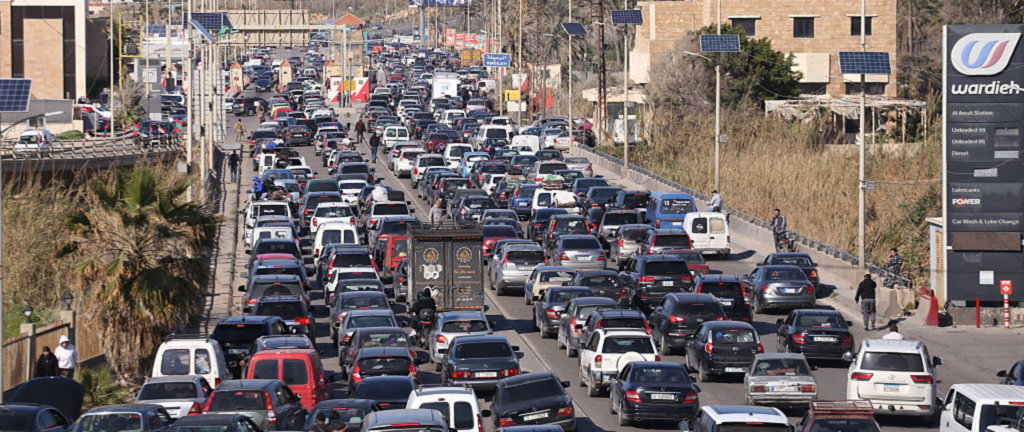
Beirut, Lebanon – A wave of panic and displacement is sweeping across Lebanon as Israel issues sweeping evacuation orders impacting hundreds of thousands of civilians. The orders, extending to over 100 villages and towns in southern and eastern Lebanon, as well as the entirety of Beirut’s southern suburbs, have ignited fears of a large-scale offensive and raised serious concerns about the protection of civilians amidst escalating hostilities. The situation is further complicated by a history of civilian harm in previous conflicts and allegations of unlawful destruction of property, prompting international condemnation and calls for adherence to international humanitarian law.
The current crisis builds upon existing tensions stemming from cross-border exchanges between Hezbollah and Israel, which intensified following the outbreak of conflict in Gaza in October 2023. While a ceasefire was agreed upon in 2024, Israel continued to conduct near-daily strikes in southern Lebanon and the Bekaa region, resulting in civilian casualties. The recent escalation, triggered by a series of attacks launched by Hezbollah following a reported US-Israeli attack on Iran on March 2nd, 2026, has prompted the latest, and most extensive, evacuation orders. This latest round of conflict has already resulted in a significant humanitarian impact, with over 300,000 people displaced across the country, according to the Norwegian Refugee Council.
The breadth of the evacuation orders is a key point of concern. Amnesty International has criticized the orders as overly broad, arguing they lack specific information regarding potential strike locations or timelines, leaving civilians unable to make informed decisions about their safety. Kristine Beckerle, Deputy Regional Director for the Middle East and North Africa at Amnesty International, stated that the warnings “do not constitute effective guarantees of protection,” and that they have “sown panic and terror.” Many vulnerable populations, including the elderly, children, and people with disabilities, face particular challenges in evacuating, and may have nowhere safe to go. The organization further alleges that these orders, coupled with documented destruction of civilian property, raise concerns about potential forced displacement, a violation of international humanitarian law.
Escalating Hostilities and Civilian Impact
The recent escalation began on March 2nd, 2026, with a series of attacks launched by Hezbollah into Israel, reportedly in response to the killing of Iranian Supreme Leader Ali Khamenei. Since October 2023, Amnesty International has documented instances of unlawful attacks on civilians and civilian objects by Israel, including the use of white phosphorus, and extensive destruction in Lebanese border villages. Hezbollah has also been accused of repeatedly firing unguided rockets into civilian areas in Israel. All of these actions, according to Amnesty International, warrant investigation as potential war crimes.
The impact on the civilian population is severe. As of March 6th, 2026, Lebanon’s Public Health Emergency Operations Centre, affiliated with the Ministry of Public Health, reported 217 people killed and 798 injured since the escalation on March 2nd. Over 110,000 displaced individuals are currently residing in collective shelters. The mass displacement is placing a significant strain on Lebanon’s already fragile infrastructure and resources, exacerbating existing economic and social challenges. The country is still reeling from the devastating Beirut port explosion in 2020 and a prolonged economic crisis, making it particularly vulnerable to further shocks.
Concerns Over International Humanitarian Law
Amnesty International’s criticism centers on the potential violations of international humanitarian law. The organization argues that issuing mass evacuation orders does not grant the Israeli military the right to treat evacuated areas as “open-fire zones,” nor does it absolve Israel of its obligation to protect civilians and take all feasible precautions to minimize harm. The organization points to reports of repeated airstrikes carried out by the Israeli military in the 24 hours following the evacuation order for Beirut’s southern suburbs, often without prior warning, as evidence of this concern.
Amnesty International highlights the documented extensive destruction of civilian property in more than two dozen municipalities along Lebanon’s border, both before and after a ceasefire was in place, as a contributing factor to the concerns about forced displacement. Reports include instances of Israeli troops deliberately leaving a trail of destruction, including carving the Star of David into the ground in one village. These actions, according to Amnesty International, raise serious questions about the intent behind the destruction and whether it constitutes a violation of international law.
The Broader Context of Impunity
Amnesty International emphasizes that the current situation is not isolated. The organization argues that a pattern of impunity following previous rounds of fighting has emboldened repeated violations of international law, consistently placing civilians at risk. The organization urges all parties to the conflict to uphold their obligations under international humanitarian law, protect civilians, and refrain from unlawful attacks. This includes ensuring that evacuation orders are genuinely aimed at protecting civilians, providing adequate information and support for those displaced, and refraining from actions that could lead to forced displacement.
The current crisis underscores the urgent need for a comprehensive and impartial investigation into alleged violations of international humanitarian law committed by all parties to the conflict. Accountability for past actions is seen as crucial to deterring future violations and ensuring the protection of civilians in Lebanon and the wider region. The ongoing instability also highlights the importance of addressing the root causes of the conflict and working towards a sustainable and peaceful resolution.
The situation remains highly volatile, and the potential for further escalation is significant. International observers are closely monitoring the developments and calling for restraint from all sides. The immediate priority is to protect civilians and ensure access to humanitarian assistance for those affected by the conflict. The long-term challenge lies in addressing the underlying issues that fuel the conflict and building a lasting peace in the region.
As of March 8th, 2026, there are no confirmed reports of de-escalation or negotiations between Hezbollah and Israel. The Israeli military continues to issue statements regarding its right to defend itself against attacks from Hezbollah, while Hezbollah maintains its commitment to resisting Israeli aggression. Further updates on the situation will be provided as they turn into available.
Key Takeaways:
- Israel has issued mass evacuation orders across Lebanon, displacing over 300,000 people.
- Amnesty International has condemned the orders as overly broad and potentially intended to forcibly displace civilians.
- The escalation follows a period of heightened tensions between Hezbollah and Israel, triggered by events in Gaza and recent regional developments.
- Concerns are mounting over potential violations of international humanitarian law by all parties involved.
What we have is a developing story. We encourage readers to share their perspectives and experiences in the comments below. Please also share this article with your networks to raise awareness about the ongoing crisis in Lebanon.