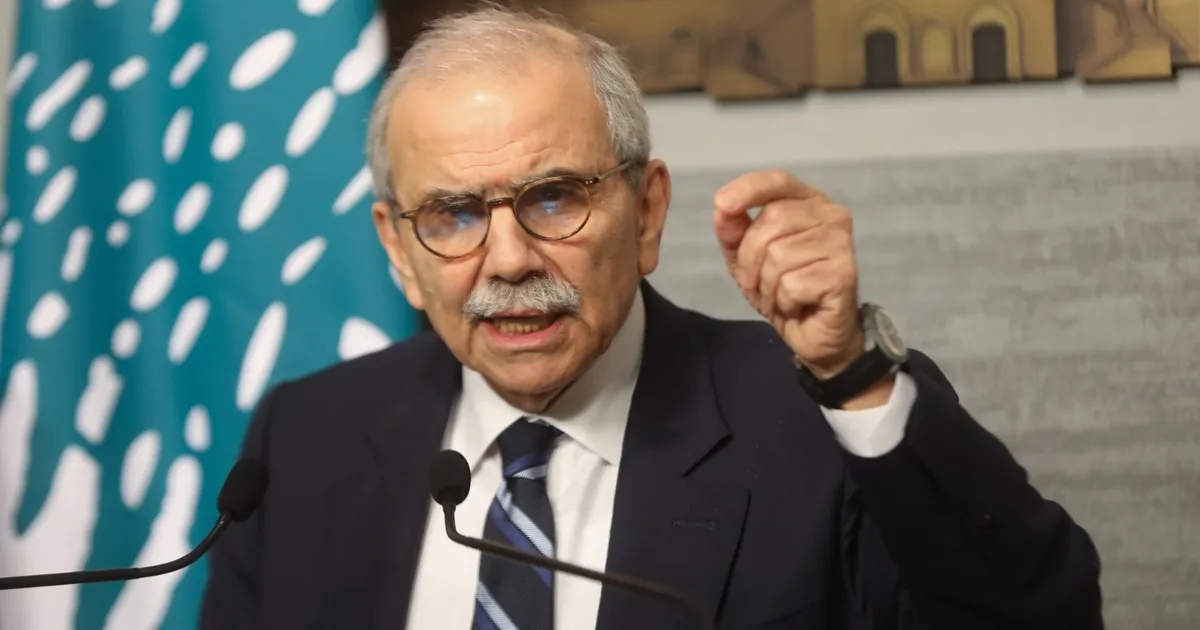
Beirut, Lebanon – Lebanese Prime Minister Nawaf Salam affirmed Saturday that his government “will not accept anyone dragging the country into adventures that threaten its security and unity,” following escalating tensions in the region and recent military actions targeting Iran. The statement underscores Lebanon’s precarious position as regional instability intensifies, and its determination to avoid being drawn into a wider conflict.
In a brief post on X (formerly Twitter), Salam appealed to all Lebanese citizens to “exercise wisdom and patriotism, placing the interest of Lebanon and the Lebanese above all else.” This call for national unity comes amid heightened concerns about the potential for spillover effects from the conflict between Israel and Iran, and the role of Hezbollah, a powerful political and military force within Lebanon. The Prime Minister’s remarks reflect a growing anxiety within the Lebanese government regarding the potential for devastating consequences should the country grow a direct participant in a regional war.
Lebanon’s Foreign Minister Youssef Ragi echoed Salam’s sentiments, emphasizing the paramount importance of prioritizing national interests. In a post on X, Ragi stated, “The nation’s interest above all else. Neutralizing Lebanon. Neutralizing Lebanon. Neutralizing Lebanon.” This repeated emphasis on neutrality highlights the government’s desire to distance itself from the escalating conflict and protect its fragile stability. The repeated message underscores the urgency with which Lebanese officials are attempting to navigate the current crisis.
Escalating Regional Tensions Prompt Calls for Restraint
The Lebanese government’s statements followed a series of military actions initiated by the United States and Israel against targets in Iran. According to reports, these actions were undertaken in response to Iranian threats and aimed at “neutralizing the threat” posed by Tehran to American forces and interests in the region. Lebanon24 reported that Prime Minister Salam believes Lebanon does not need the support of Iran.
The situation is further complicated by concerns over the potential involvement of Hezbollah. Earlier this week, Lebanese officials, as reported by Reuters, indicated that Israel had conveyed a message to Lebanon warning of a forceful response targeting the country’s infrastructure, including the airport, should Hezbollah become involved in a potential war between the United States and Iran. This warning underscores the high stakes involved and the potential for devastating consequences for Lebanon if Hezbollah were to escalate the conflict.
أمام ما تشهده المنطقة من تطورات خطيرة، أعود وأناشد جميع اللبنانيين أن يتحلوا بالحكمة والوطنية واضعين مصلحة لبنان واللبنانيين فوق أي حساب. أكرر أننا لن نقبل أن يُدخل أحد البلاد في مغامرات تهدد أمنها ووحدتها.
— نواف سلام (@NawafSalamLeb) February 28, 2026
Hezbollah’s Position and Past Conflicts
The Secretary-General of Hezbollah, Naeem Qassem, recently stated that the group is “concerned with what is happening and targeted by potential aggression and determined to defend itself.” He added that Hezbollah would determine its course of action – whether to intervene, remain neutral, or respond proportionally – based on the circumstances at the time, but clarified that the group is “not neutral.” This statement suggests that Hezbollah is prepared to respond to any perceived threat, while also attempting to calibrate its actions to avoid a full-scale conflict.
Since the U.S.-brokered ceasefire between Israel and Lebanon in 2024, Israel has regularly conducted airstrikes within Lebanon targeting what it describes as Hezbollah objectives, accusing the group of attempting to rearm. Lebanese statistics indicate that these airstrikes have resulted in the deaths of approximately 400 people in Lebanon since the ceasefire. Al Jazeera reported that Prime Minister Salam emphasized Lebanon’s ability to manage its own decisions regarding war and peace, asserting the country’s independence from external influence.
Lebanon’s Economic and Political Vulnerabilities
Lebanon is already grappling with a severe economic crisis, exacerbated by years of political instability and corruption. The country’s financial system is on the brink of collapse, and a significant portion of the population is living in poverty. A new war would undoubtedly inflict further devastation on the Lebanese economy and infrastructure, potentially pushing the country into a humanitarian catastrophe. The appointment of Karim Saeed as the new governor of the Central Bank of Lebanon is seen as a step towards addressing the economic challenges, with Prime Minister Salam stating he is engaging with Saeed in a professional and cooperative manner.
The Lebanese government’s efforts to maintain neutrality are further complicated by the country’s complex political landscape. Hezbollah is a significant political force in Lebanon, with representation in parliament and a substantial following among the Shia population. Any decision to intervene in the regional conflict would likely be met with strong opposition from within Lebanon, potentially leading to further political divisions and instability. The delicate balance of power within Lebanon makes it particularly vulnerable to external pressures and regional conflicts.
U.S. Assessment of Hezbollah’s Potential Involvement
A U.S. Official, as reported by Al Jazeera, indicated that Washington’s assessment of Hezbollah’s potential entry into the war alongside Iran depends on the scale of a potential U.S. Military strike. This suggests that the United States is closely monitoring the situation and preparing for a range of scenarios, including the possibility of Hezbollah’s involvement. The U.S. Assessment highlights the critical role that Hezbollah could play in shaping the trajectory of the conflict.
An Israeli source, quoted by Yedioth Ahronoth, expressed concern about the possibility of Hezbollah joining the fight against Israel if Iran were attacked, stating that this scenario is being “dealt with.” This indicates that Israel is also taking the threat of Hezbollah’s involvement seriously and is preparing for potential escalation. The concerns expressed by both U.S. And Israeli officials underscore the high level of anxiety surrounding Hezbollah’s potential role in the conflict.
The Path Forward: De-escalation and Diplomacy
The Lebanese government’s calls for restraint and neutrality reflect a desperate attempt to shield the country from the devastating consequences of a wider regional conflict. However, the situation remains highly volatile, and the potential for escalation is significant. De-escalation and diplomatic efforts are crucial to prevent Lebanon from being drawn into a war that We see ill-equipped to handle. The international community must work together to address the underlying causes of the conflict and to promote a peaceful resolution.
Prime Minister Salam’s emphasis on Lebanon’s ability to make its own decisions regarding war and peace is a clear assertion of the country’s sovereignty. However, Lebanon’s limited resources and its complex political landscape make it particularly vulnerable to external pressures. The international community must provide Lebanon with the support it needs to navigate this challenging period and to protect its stability. The future of Lebanon hinges on its ability to remain neutral and to avoid being drawn into a regional conflict that could have catastrophic consequences.
The second phase of a plan to restrict weapons north of the Litani River is expected to be completed within four months, provided conditions allow, according to Prime Minister Salam. This initiative, aimed at consolidating state control over security, is a crucial step towards strengthening Lebanon’s stability and preventing the escalation of violence. However, the success of this plan depends on the cooperation of all parties involved and the overall security situation in the region.
As the situation continues to evolve, the Lebanese government faces a daunting challenge in balancing its commitment to neutrality with the need to protect its national interests. The coming days and weeks will be critical in determining whether Lebanon can successfully navigate this crisis and avoid being drawn into a wider regional conflict. The international community must remain engaged and provide Lebanon with the support it needs to maintain its stability and protect its citizens.
Next Steps: The Lebanese government is expected to continue its diplomatic efforts to de-escalate tensions and secure international support. Further developments regarding the implementation of the arms restriction plan north of the Litani River are also anticipated in the coming months. Stay tuned to World Today Journal for ongoing coverage of this developing story.
What are your thoughts on Lebanon’s position? Share your comments below and share this article with your network.
Related reading
- Trump Orders Major Changes to White House Helipad, Undoing Weeks of Work
- Restaurant Chain Swaps Pepper Supplier Amid Food Poisoning Investigation
- Dengue Fever Alert: Miami-Dade Confirms Case and Warns of Symptoms (time.news)
- WTO: Global Trade Remains Resilient in Q1 2026 Despite Middle East Conflict (newsdirectory3.com)