Jakarta, Indonesia – Authorities are preparing to lift the nationwide one-way traffic system implemented for the Lebaran (Eid al-Fitr) holiday exodus, potentially as early as Saturday, March 21st, 2026. The decision hinges on real-time traffic conditions on toll roads and a sustained decrease in the flow of returning travelers. This move signals a shift in focus for Indonesian law enforcement, transitioning from managing the outbound surge to ensuring safety and security at urban centers and places of worship during the peak of the holiday celebrations.
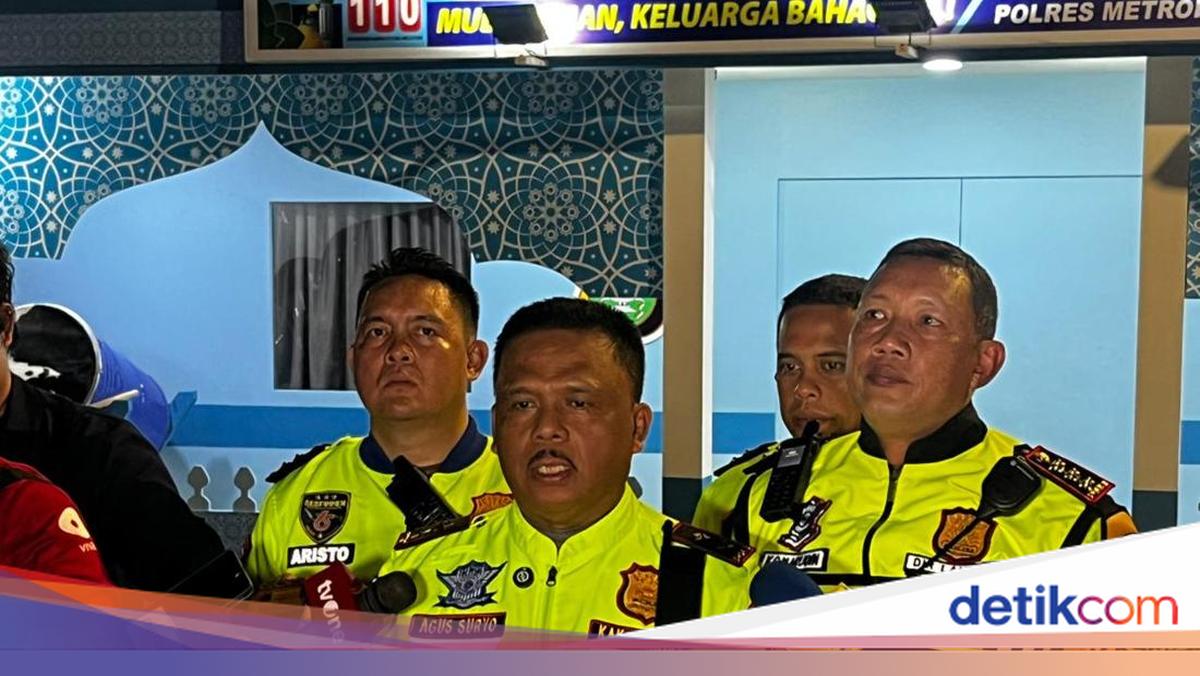
The announcement comes from Irjen Agus Suryonugroho, Head of the National Traffic Corps (Kakorlantas) of the Indonesian National Police, who stated that a formal evaluation will accept place Saturday morning. “If there are no signs of returning traffic, if the flow on the toll roads remains smooth, and traffic counts remain low, we will likely revoke the one-way system for the return journey, potentially by midday,” Irjen Agus explained on Friday, March 20th, 2026, at Bundaran HI in Jakarta. jpnn.com reported.
Shifting Focus to Urban Security and Tourist Destinations
The one-way system, which began on Wednesday, March 18th, 2026, covered a significant stretch of the Trans-Java Toll Road, from Kilometer 70 of the Jakarta-Cikampek toll road to Kilometer 414 of the Kalikangkung toll road. Implemented at 13:30 WIB following a flag-off ceremony led by Minister of Transportation Dudy Purwagandhi, the policy aimed to streamline the outbound flow of travelers during the Lebaran holiday. Now, with the peak of the *mudik* (exodus) period seemingly passed, authorities are preparing to redirect resources.
Irjen Agus emphasized that security efforts will now concentrate on city centers and mosques, particularly during the *takbiran* (evening before Eid al-Fitr) celebrations. Dedicated task forces have been established for these areas, separate from those managing traffic on the toll roads. This strategic shift underscores the importance of maintaining public order and safety as millions gather for religious observances.
Comprehensive Security Measures for Homes and Travelers
Beyond traffic management, the Indonesian National Police is implementing a broad range of security measures to protect homes left vacant during the holiday period. Routine patrols will be conducted in residential areas, and specialized units will be deployed to monitor crowded locations, including terminals and airports, to prevent criminal activity. This commitment to proactive security aims to provide peace of mind to those who have traveled to be with family and friends.
The operation, dubbed “Ketupat 2026,” is a collaborative effort involving multiple agencies. Irjen Agus highlighted the importance of inter-agency cooperation, stating that it extends beyond traffic regulation to encompass broader security concerns. Coordination will continue with the Ministry of Transportation, Jasa Marga (the toll road operator), and the Kapolri (National Police Chief) to ensure a smooth and secure holiday period.
Traffic Volume and Return Journey Preparations
According to data released by Kakorlantas Polri, the peak of the outbound traffic occurred on March 18th and 19th, with approximately 270,000 vehicles traversing the toll roads each day. This represents a 4.26% increase compared to the same period last year. Kompas.tv reported that preparations for the return journey, or *arus balik*, are already underway.
Authorities are closely monitoring traffic patterns and anticipating potential congestion points along routes leading to popular tourist destinations. While the one-way system is expected to be lifted soon, contingency plans are in place to manage any unexpected surges in traffic volume. These plans include dynamic traffic adjustments and the potential for localized one-way measures if necessary.
Instagram Post Regarding Traffic Management
This Instagram post, shared by Media Warawiri.net on February 23, 2026, visually highlights the ongoing preparations for managing traffic flow during the Lebaran holiday. While the specific details of the post are not available without direct access, it underscores the proactive approach being taken by authorities to ensure a safe and efficient travel experience for all.
Looking Ahead: Anticipating the Arus Balik
The lifting of the one-way system marks a crucial transition in the Lebaran travel management strategy. As millions initiate their return journeys, authorities will be focused on preventing congestion and ensuring the safety of travelers. The success of this phase will depend on effective coordination, real-time traffic monitoring, and the ability to adapt to changing conditions.
The decision to end the one-way system is based on a careful assessment of current traffic data and projections for the coming days. Irjen Agus Suryonugroho and his team will continue to monitor the situation closely, making adjustments as needed to optimize traffic flow and minimize disruptions. The ultimate goal is to ensure that all travelers can return home safely and efficiently after enjoying the Lebaran holiday with their loved ones.
The next key update is expected Saturday morning, March 21st, 2026, following the evaluation of traffic conditions. Travelers are encouraged to stay informed about the latest traffic updates and to plan their journeys accordingly. Official information can be obtained through the Indonesian National Police website and social media channels, as well as through local news outlets.
What are your experiences with the Lebaran *mudik* and *arus balik*? Share your thoughts and travel tips in the comments below.
Related reading