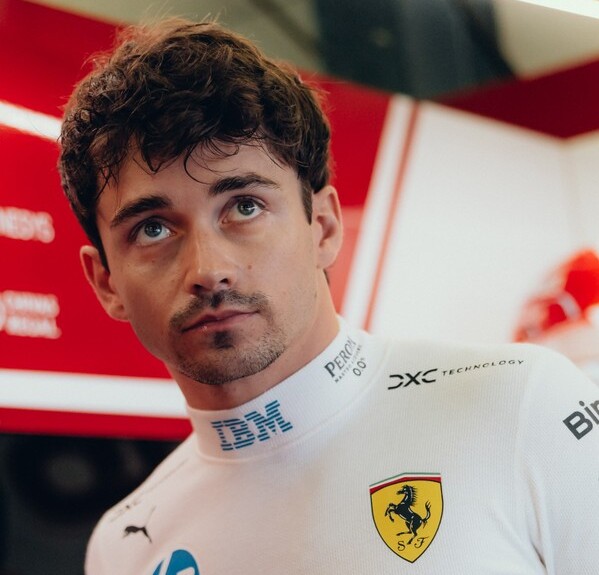
The Australian Grand Prix proved a challenging race for Ferrari and driver Charles Leclerc, who finished third despite acknowledging the team lacked the pace to truly contend for victory. While a podium finish is always a positive result, Leclerc’s post-race assessment highlighted the complexities of modern Formula 1 racing, particularly the strategic nuances surrounding energy management and tire degradation. The race, held at Melbourne’s Albert Park Circuit on March 24th, 2026, saw Max Verstappen of Red Bull Racing ultimately claim the win, further solidifying his championship lead.
Leclerc, speaking after the race, emphasized the difficulty in understanding the optimal approach to combat during the initial stages of the Grand Prix. The introduction of new regulations and car developments often leads to a period of adaptation for teams and drivers, and the Australian race was no exception. Managing energy deployment, a critical aspect of modern F1, proved particularly challenging, impacting overtaking opportunities and overall race strategy. This strategic element, combined with the unpredictable nature of tire wear, created a dynamic and demanding race for all competitors. The Ferrari driver’s comments underscore the increasing importance of sophisticated race engineering and real-time data analysis in achieving success in Formula 1.
Energy Management and Battery Performance: Key Challenges at Albert Park
A significant factor contributing to the difficulties faced by Ferrari, according to Leclerc, was the unpredictable behavior of the car’s battery. The energy recovery systems in Formula 1 cars are incredibly complex, and optimizing their performance is crucial for maximizing speed and efficiency. Leclerc explained that uncertainty surrounding when the battery would discharge on the straights created significant challenges during defensive maneuvers. The fluctuating power delivery led to substantial speed differentials between cars, making it difficult to maintain position and execute overtakes. This issue highlights the ongoing development and refinement required in battery technology and energy management systems within Formula 1.
The complexities of battery deployment are a relatively recent development in Formula 1, stemming from the hybrid power unit regulations introduced in 2014. These regulations aimed to improve fuel efficiency and promote sustainable technology within the sport. Still, they also introduced a new layer of strategic complexity, requiring teams to carefully manage energy usage throughout the race. According to a technical analysis by Formula1.com, the deployment of energy from the battery can provide a significant performance boost, but it must be carefully balanced against the risk of depleting the battery’s charge and losing power at critical moments.
Early Progress and Limited Overtaking Opportunities
Despite the challenges, Leclerc expressed satisfaction with his ability to gain positions early in the race. He successfully navigated the intense battles in the midfield, demonstrating his skill and racecraft. However, this initial progress ultimately proved insufficient to challenge the leading cars. “I’m happy that I managed to get through the first part from the fight, but unfortunately it didn’t help for the rest of the race,” Leclerc stated. The limited overtaking opportunities at Albert Park, combined with the performance advantage held by Red Bull Racing and Mercedes, made it difficult for Ferrari to close the gap to the front of the field.
The Albert Park Circuit, while undergoing modifications in recent years to improve racing lines, remains a challenging track for overtaking. The relatively narrow track width and limited long straights develop it difficult for cars to get close enough to attempt a pass. What we have is further compounded by the aerodynamic wake generated by leading cars, which reduces downforce and makes it harder for following cars to maintain speed. The circuit’s layout often favors drivers who qualify well and are able to maintain track position throughout the race.
Mercedes’ Pace and Ferrari’s Assessment of Victory Potential
When questioned about Ferrari’s chances of winning the race had virtual safety car periods not occurred, Leclerc remained doubtful. He acknowledged that Mercedes appeared to have a slight performance advantage over Ferrari during the Australian Grand Prix. “I don’t think so, although I might be wrong,” Leclerc conceded. “It looked like Mercedes had a little bit more pace than us today. Maybe not as much as we saw yesterday, and that’s a good sign, but I don’t think we could have won.” This assessment suggests that Ferrari recognizes the need to further develop its car and improve its overall performance to compete consistently with the leading teams.
The performance gap between Ferrari and Mercedes has been a recurring theme in recent seasons. While Ferrari has shown flashes of competitiveness, Mercedes has consistently demonstrated a higher level of overall performance and reliability. According to data analyzed by Motorsport.com, Mercedes’ upgrades and aerodynamic refinements have contributed to their improved pace in the early stages of the 2026 season. The ongoing development race between these two teams is expected to continue throughout the year, with both striving to gain a competitive edge.
Leclerc’s Recent Form and EA Sports Ambassadorship
Charles Leclerc’s performance in Australia follows a recent period of strong results for the Monégasque driver. He secured a podium finish in the opening race of the season in Bahrain, demonstrating his ability to extract maximum performance from the Ferrari car. Beyond his racing achievements, Leclerc has also recently been appointed as the first Formula 1 ambassador for EA Sports. This partnership, announced in late February 2026, will witness Leclerc collaborate with EA Sports on various projects, including the promotion of the F1 video game series. The ambassadorship reflects Leclerc’s growing popularity and influence within the sport, as well as EA Sports’ commitment to expanding its presence in the world of Formula 1.
The appointment of Leclerc as an EA Sports ambassador is part of a broader trend of increasing collaboration between Formula 1 teams and gaming companies. The F1 video game series has turn into increasingly popular in recent years, attracting a large and engaged audience. This partnership provides EA Sports with access to a high-profile driver and valuable insights into the world of Formula 1, while also offering Leclerc a platform to connect with fans and promote the sport.
Key Takeaways
- The Australian Grand Prix presented significant challenges for Ferrari, particularly in managing energy deployment and battery performance.
- Charles Leclerc acknowledged that Mercedes appeared to have a slight pace advantage over Ferrari during the race.
- Leclerc expressed satisfaction with his early progress but conceded that a victory was unlikely given the circumstances.
- The appointment of Leclerc as an EA Sports ambassador highlights his growing influence within Formula 1.
Looking ahead, the Formula 1 season continues with the Japanese Grand Prix at Suzuka Circuit on April 7th, 2026. Teams will be working tirelessly to analyze data from the Australian Grand Prix and implement upgrades to improve their performance. The ongoing development race promises to deliver further excitement and unpredictability as the championship battle unfolds. Fans can stay updated on the latest news and results on the official Formula 1 website: https://www.formula1.com/. What are your thoughts on Ferrari’s performance in Australia? Share your opinions in the comments below!
Related reading