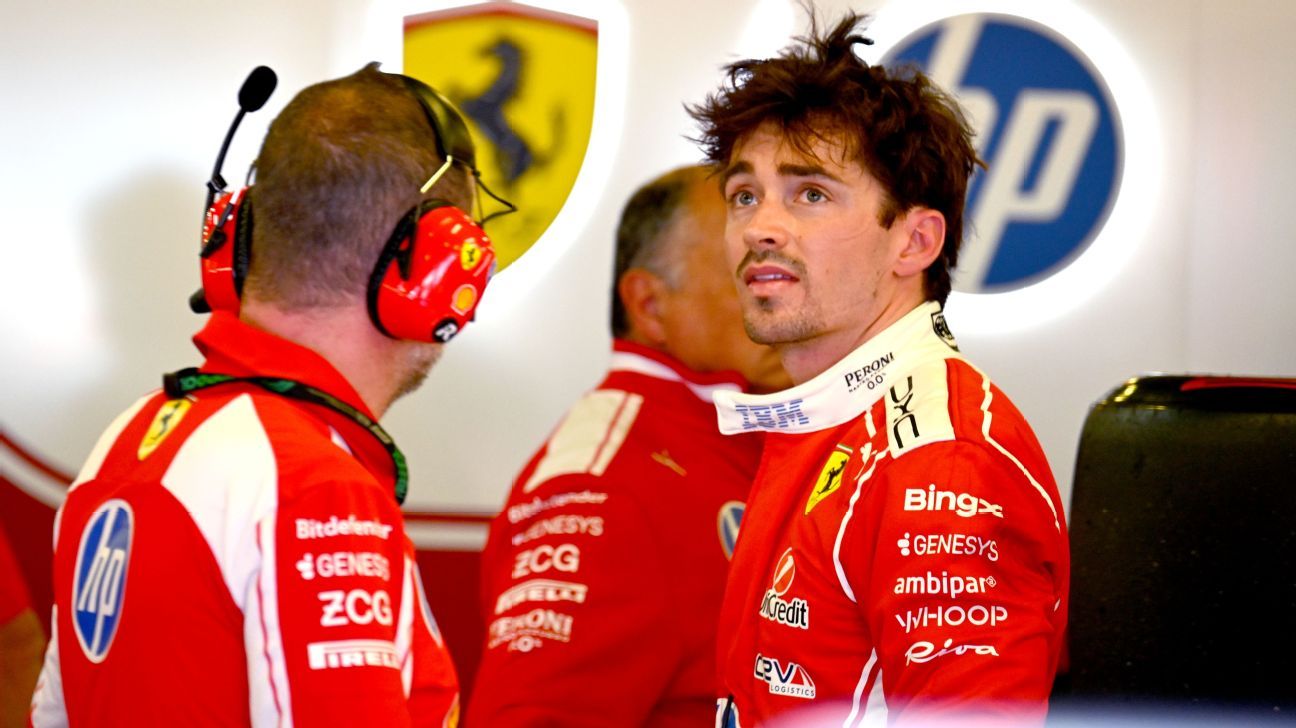
Melbourne, Australia – The opening race of the 2026 Formula 1 season at Albert Park delivered a thrilling spectacle of wheel-to-wheel racing, punctuated by a record-breaking 120 overtakes. However, beneath the surface of the on-track action, a significant shift in the dynamics of overtaking is taking place, driven by the sport’s new regulations. Several drivers, including Ferrari’s Charles Leclerc, are suggesting that strategic energy management and calculated deployment of power boosts are now paramount, eclipsing the raw bravery traditionally associated with making a pass. This change, as Leclerc himself playfully noted, feels akin to utilizing a power-up in the video game Mario Kart.
The new regulations, introduced at the start of the 2026 season, aim to enhance racing by increasing the power available to drivers through electric boost modes and overtake systems. While these systems undeniably contribute to more frequent overtaking maneuvers, they also introduce a layer of complexity. Drivers must now carefully consider the trade-offs between gaining a short-term advantage with a power boost and conserving energy for later stages of the race. This strategic element, Leclerc argues, is fundamentally altering the approach to overtaking. The Australian Grand Prix, with its long straights and limited braking zones, served as a particularly stark example of this new reality.
The Strategic Shift in Overtaking
Leclerc’s observations came during a particularly intense battle with Mercedes’ George Russell in the early laps of the Australian Grand Prix. The lead changed hands multiple times as both drivers aggressively utilized the available boost modes. Russell ultimately secured the victory, but not before Leclerc had demonstrated a commanding lead for a significant portion of the race. The Ferrari driver’s comment about feeling like he was playing Mario Kart highlighted the calculated nature of these overtakes, where timing and energy management are as crucial as outright speed. He explained that drivers are now forced to suppose “multiple steps ahead” to maximize the effectiveness of their power boosts and avoid being vulnerable to a counter-attack.
The core of the change lies in the battery management required by the new regulations. Deploying the overtake mode or boost provides a significant power advantage, but it simultaneously depletes the car’s battery. A depleted battery leaves a driver susceptible to being overtaken, effectively negating the initial gain. This creates a delicate balancing act, demanding a strategic approach to energy usage throughout the lap and the entire race. As Leclerc pointed out, it’s no longer simply about being the “bravest at braking the latest,” but about making informed decisions based on a comprehensive understanding of energy consumption and potential consequences.
Albert Park’s Unique Challenges
The Albert Park Circuit in Melbourne, with its predominantly high-speed layout, arguably amplified the impact of the new regulations. Approximately 78% of the lap is spent at full throttle, offering ample opportunities to deploy the electric boost. However, the circuit features only three braking zones where drivers decelerate significantly for more than 0.4 seconds. This combination meant that drivers had numerous chances to utilize their power boosts but limited opportunities to effectively recharge the battery. This created a particularly challenging scenario, forcing drivers to be exceptionally judicious with their energy usage.
George Russell, who secured the win in Australia, acknowledged the circuit’s influence on the race dynamics. He pointed out that the energy management challenges are likely to vary significantly depending on the track layout. He highlighted the upcoming race at the Shanghai International Circuit, which features a long straight, as a contrasting example. At Shanghai, drivers will likely focus their energy deployment on a single, extended stretch, rather than distributing it across multiple shorter bursts as was necessary in Melbourne. Russell believes that a more balanced energy recovery profile at Shanghai will offer a different strategic landscape.
Driver Reactions and Future Outlook
The initial reaction from drivers to the new regulations has been mixed, with some expressing frustration over the limitations imposed by the energy management requirements. A recent report by ESPN detailed widespread criticism from drivers, including Lando Norris and Max Verstappen, regarding the new cars and the challenges they present. The report highlighted concerns about the complexity of the systems and the potential for strategic compromises. Despite these criticisms, Russell urged patience, suggesting that a more comprehensive evaluation of the regulations is needed after several races.
The debate surrounding the new regulations underscores a fundamental tension within Formula 1: the desire to promote exciting racing while maintaining the technical sophistication and strategic depth that define the sport. The increased number of overtakes at the Australian Grand Prix – 120 compared to 45 in 2025 – suggests that the regulations are achieving their primary objective of enhancing on-track action. However, the concerns raised by drivers regarding the strategic constraints and the potential for compromised racing experiences highlight the need for ongoing refinement and adaptation.
The Role of Strategy Teams
The shift towards strategic energy management has also placed a greater emphasis on the role of Formula 1 strategy teams. These teams are now responsible for developing sophisticated algorithms and real-time simulations to optimize energy deployment and predict the actions of competitors. The ability to accurately assess battery levels, anticipate overtaking opportunities and react to changing track conditions will be crucial for success under the new regulations. The Australian Grand Prix demonstrated that even a seemingly minor miscalculation, such as Ferrari’s decision not to pit Leclerc under the Virtual Safety Car, can have significant consequences.
The increasing reliance on data analysis and strategic planning is transforming the role of the driver as well. While raw speed and skill remain essential, drivers must now possess a deeper understanding of the technical complexities of their cars and the strategic nuances of the race. They must be able to provide accurate feedback to their engineers, interpret real-time data, and develop split-second decisions that balance performance and energy conservation. This requires a new breed of Formula 1 driver – one who is not only a skilled racer but also a strategic thinker.
The next race on the Formula 1 calendar is the Chinese Grand Prix at the Shanghai International Circuit on April 21, 2026. This event will provide a valuable opportunity to assess how the new regulations perform on a different track layout and to gauge the extent to which drivers and teams have adapted to the strategic challenges they present. The performance at Shanghai will undoubtedly shape the ongoing debate surrounding the future of Formula 1 racing and the balance between bravery and strategy.
What are your thoughts on the new F1 regulations? Do you think they’ve improved the racing, or have they made it too complicated? Share your opinions in the comments below, and don’t forget to share this article with fellow Formula 1 enthusiasts!
Worth a look
- F1 Silly Season: Rumors of a Triple Driver Swap Emerge
- MLS Appoints Larry Berg as New Commissioner Starting in 2027
- Paris Court Rules on Economic Substance in Intra-Group Royalties (newsdirectory3.com)
- Honduras Court Rules Former President Juan Orlando Hernández Be Tried While Free (world-today-news.com)