École Précieux Sang, a French-language school located in Saint-Boniface, Manitoba, marked a significant departure from its traditional academic end-of-year ceremonies by hosting a joint graduation event for students in grades 6, 7, and 8. While the institution typically reserves formal departure recognition for students completing their final year of primary education, this year’s inclusive approach acknowledged the transition points across all three senior grade levels, according to local educational reports.
The adjustment in ceremony structure highlights the evolving nature of student transitions within the Division scolaire franco-manitobaine (DSFM). For many students in the Manitoba French-language school system, the transition to secondary education—often referred to as l’école secondaire—is a milestone traditionally associated specifically with the completion of grade 8. By broadening the scope of the year-end celebration, the school staff aimed to recognize the individual growth of students across the middle-years spectrum.
Evolving Traditions in French-Language Education
In the context of the DSFM, which oversees French-language instruction across the province, schools maintain specific mandates to foster linguistic and cultural identity. École Précieux Sang serves as a hub for the local Francophone community, and the decision to include grades 6 and 7 in the final farewell reflects a broader pedagogical shift toward acknowledging “transition years.” According to official Division scolaire franco-manitobaine documentation, middle-years programming is designed to prepare students for the increased academic rigor of high school, making the end-of-year recognition a vital part of student retention and engagement strategies.
For the students involved, the ceremony served as more than a simple goodbye; it functioned as a psychological milestone. Educational psychologists often emphasize that middle-school transitions are critical periods for developmental growth. By validating the efforts of students who are not yet leaving for high school, the school administration reinforced a sense of community belonging that is central to the mission of Francophone schools in minority-language settings.
The Role of Middle-Years Programming
The curriculum for grades 6 through 8 in Manitoba is governed by the provincial Manitoba Education and Early Childhood Learning standards. These standards prioritize a holistic approach to student development, integrating both core subject mastery and social-emotional learning. The decision to celebrate these specific grades at École Précieux Sang aligns with the provincial focus on fostering inclusive school environments that celebrate student persistence.
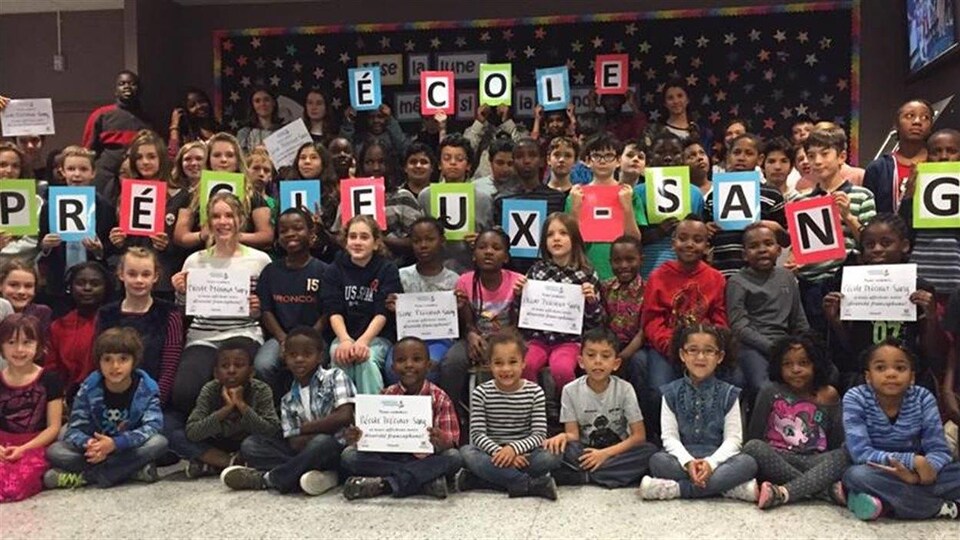
Parents and community members attended the event, which underscored the close-knit nature of the Saint-Boniface educational community. Unlike larger, centralized school boards, the DSFM often operates with a higher degree of localized autonomy, allowing individual schools to tailor their social programming to the needs of their specific student populations. This flexibility is a hallmark of the French-language educational experience in Manitoba, ensuring that schools remain responsive to the unique demographic and cultural pressures facing Francophone families.
What This Means for Future Transitions
As École Précieux Sang looks toward the next academic cycle, the success of this inclusive ceremony may set a precedent for future graduation-style events. The primary goal remains the successful integration of students into the secondary school system, where they will continue their pursuit of bilingual education. According to data provided by Statistics Canada regarding minority-language education, the retention of students in French-language schools through the secondary level is a key indicator of the vitality of the Francophone community in Western Canada.

For families currently enrolled, the next major checkpoint involves the transition planning for the upcoming school year. Students entering grade 9 in the fall will encounter new academic environments, often requiring a shift in study habits and social orientation. The school administration is expected to provide updated transition resources via their official communication channels before the start of the 2024-2025 academic session. Those interested in the specific curriculum goals for the next year can consult the DSFM website for upcoming orientation schedules and parent-teacher meeting dates.
The school’s commitment to its students, from the early years through to their final days in the middle-school wing, remains a cornerstone of its community identity. As the academic year concludes, the focus shifts to preparation for the autumn term. We invite our readers to share their own experiences with school-level transitions in the comments section below.