.jpg)
For years, the most advanced skincare treatments were locked behind the doors of high-end dermatology clinics, requiring expensive appointments and significant downtime. But, a shift toward what is now termed beauty tech
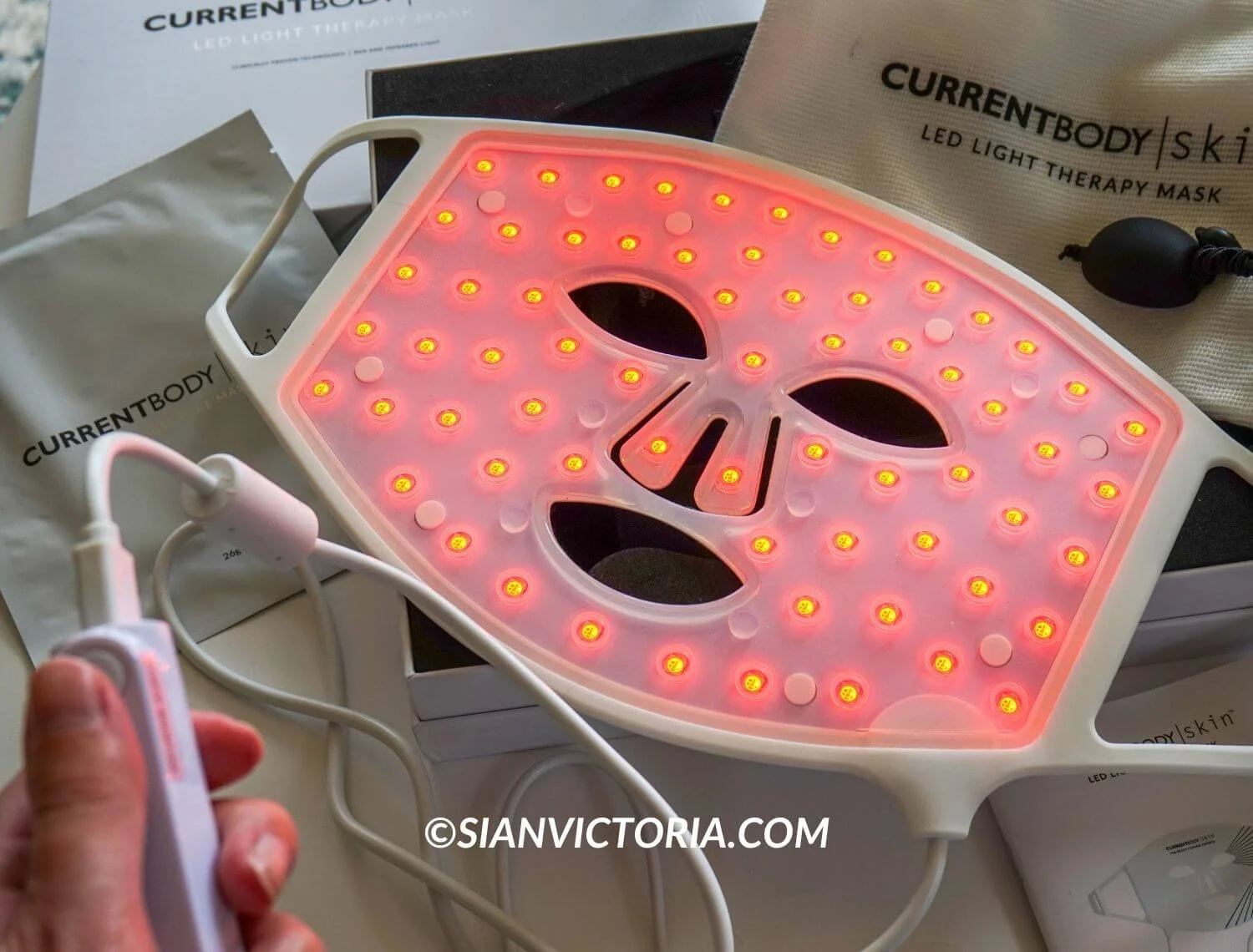
is bringing professional-grade results into the home bathroom. At the center of this revolution is LED light therapy, a non-invasive treatment that uses specific wavelengths of light to trigger biological changes in the skin.
As a software engineer turned journalist, I have watched the consumer electronics market evolve from simple gadgets to sophisticated health-tech devices. The current surge in LED skincare is not merely a trend in aesthetics; it is an application of photobiomodulation—the process by which light energy is absorbed by cells to improve function and repair. This technology is transforming how global consumers approach aging, acne, and overall skin health, moving the needle from reactive treatment to proactive, preventive care.
Even as the market is flooded with various masks and handheld devices, the efficacy of LED light therapy for skin depends entirely on the precision of the wavelength, the intensity of the light, and the consistency of use. When calibrated correctly, these devices can penetrate different layers of the dermis to stimulate collagen production or eliminate acne-causing bacteria without the use of harsh chemicals or invasive needles.
The Science of Photobiomodulation: How Light Heals Skin
To understand why LED therapy works, one must look at the cellular level. The core mechanism is called photobiomodulation. When specific wavelengths of light hit the skin, they are absorbed by chromophores—light-sensitive molecules—within the cells. In the case of red and near-infrared light, the primary target is the mitochondria, the powerhouse of the cell.
According to research published by the National Institutes of Health (NIH), these photons stimulate the enzyme cytochrome c oxidase, which increases the production of adenosine triphosphate (ATP). This boost in cellular energy enhances the cell’s ability to repair itself, reduce inflammation, and synthesize recent proteins. Essentially, the light acts as a catalyst, speeding up the skin’s natural healing processes.
Unlike lasers, which use a single, concentrated beam of light to create a controlled injury (ablation) to force healing, LED therapy uses “cold” light. It does not heat the skin or damage the surface, making it safe for a wider variety of skin tones and types, provided the user follows safety protocols.
Decoding the Spectrum: Red, Blue, and Near-Infrared
Not all light is created equal in skincare. The benefits of LED therapy are wavelength-dependent, measured in nanometers (nm). The most common colors found in consumer beauty tech serve distinct purposes.
Red Light (630nm – 700nm)
Red light is the gold standard for anti-aging. It penetrates deeper into the skin than blue light, reaching the dermis where collagen and elastin are produced. By stimulating fibroblasts—the cells responsible for collagen synthesis—red light helps reduce the appearance of fine lines and wrinkles. It is also frequently used to reduce redness and inflammation associated with conditions like rosacea.
Blue Light (400nm – 470nm)
While red light focuses on repair, blue light focuses on eradication. Blue light targets Cutibacterium acnes, the bacteria responsible for breakouts. The light induces the production of porphyrins within the bacteria, which then react with oxygen to create singlet oxygen radicals that destroy the bacterial cell wall. This makes blue light an effective tool for treating mild to moderate acne without the side effects of topical antibiotics.
Near-Infrared Light (800nm – 1100nm)
Near-infrared (NIR) light is invisible to the human eye but offers the deepest penetration of all. NIR is often paired with red light to target deeper tissues and muscles. It is widely recognized for its ability to reduce deep-seated inflammation and accelerate the healing of wounds or surgical scars.
“LED therapy is a powerful adjunct to traditional skincare. By targeting the mitochondria, we are essentially giving the skin the energy it needs to perform its own repair mechanisms more efficiently.” Dr. Sarah Goldberg, Board-Certified Dermatologist
Professional Clinic Treatments vs. At-Home LED Masks
The proliferation of home LED masks has led many to wonder if a consumer device can truly replace a visit to the dermatologist. The answer lies in power density and irradiance.
Professional devices used in clinics typically have much higher irradiance—the amount of light energy hitting a specific area of skin per second. This allows for faster results and deeper penetration. However, these high-power devices require professional supervision to avoid burns or eye damage. Home devices are designed with lower power levels to ensure safety for unsupervised use, meaning they require more frequent applications to achieve similar cumulative results.
The primary advantage of home beauty tech is consistency. Clinical studies suggest that the cumulative dose of light is more important than the intensity of a single session. A user who uses a cleared home device for 10 to 20 minutes daily is often more likely to see sustained improvements in skin texture and tone than someone who visits a clinic once a month.
| Feature | Professional Clinic LED | At-Home LED Devices |
|---|---|---|
| Irradiance (Power) | High; rapid results | Low to Moderate; gradual results |
| Treatment Duration | Short sessions, infrequent | Longer cumulative use, frequent |
| Cost | High per-session fee | One-time purchase cost |
| Supervision | Medical professional required | Self-administered |
| Risk Level | Higher (requires precise calibration) | Lower (designed for consumer safety) |
Safety, Contraindications, and Regulatory Standards
Despite its non-invasive nature, LED therapy is not suitable for everyone. Because the light can interact with certain biological processes and medications, caution is mandatory.
The U.S. Food and Drug Administration (FDA) has cleared several LED devices for the treatment of acne and wrinkle reduction. When shopping for a device, looking for FDA clearance is a critical step in ensuring the device emits the wavelengths it claims and meets safety standards for eye protection.
You’ll see several key contraindications where LED therapy should be avoided or used only under strict medical supervision:
- Photosensitizing Medications: Certain antibiotics (like tetracycline) and retinoids can make the skin hypersensitive to light, potentially leading to burns.
- Epilepsy: Some LED devices may pulse or flicker, which can trigger seizures in individuals with photosensitive epilepsy.
- Active Cancer: Because LED therapy stimulates cell growth and energy, it is generally contraindicated for those with active malignancies in the treatment area.
- Pregnancy: While there is no evidence of harm, most manufacturers and doctors recommend avoiding LED therapy during pregnancy due to a lack of extensive clinical data.
Eye protection is the most critical safety requirement. While red light is generally safe, blue light and high-intensity NIR can be damaging to the retina. High-quality masks include built-in goggles or opaque shields to prevent direct light exposure to the eyes.
The Future of Beauty Tech: AI and Personalization
As we move further into 2026, the integration of artificial intelligence (AI) into skincare devices is the next frontier. We are seeing the emergence of “smart masks” that do not simply emit a static color of light, but instead analyze the skin in real-time.
These next-generation devices utilize sensors to measure skin hydration, sebum levels, and inflammation. An onboard AI then adjusts the wavelength and intensity of the LED light dynamically across different zones of the face. For example, the device might deploy blue light on the chin to treat a breakout while simultaneously using red light on the forehead to target fine lines.
This shift toward hyper-personalization reduces the guesswork for the consumer and maximizes the efficiency of the treatment. By combining photobiomodulation with data-driven diagnostics, beauty tech is evolving from a luxury gadget into a legitimate tool for preventive healthcare.
Key Takeaways for the Consumer
- Verify Wavelengths: Ensure your device uses specific nanometers (e.g., 630nm for red, 415nm for blue) rather than generic “colored lights.”
- Prioritize FDA Clearance: Only purchase devices that have been vetted for safety and efficacy by a regulatory body.
- Consistency is King: Home devices require daily or near-daily use to match the cumulative dose of professional treatments.
- Check Your Meds: Always consult a dermatologist if you are using prescription retinoids or photosensitizing medications.
- Protect Your Eyes: Never use a high-intensity LED device without proper ocular shielding.
The transition of LED therapy from the clinic to the home represents a broader trend in the democratization of health technology. By understanding the physics of light and the biology of the skin, consumers can move beyond marketing hype and make informed decisions about their skincare routines.
As regulatory bodies continue to update guidelines for home-use medical devices, the next major checkpoint will be the release of expanded clinical data on the long-term effects of daily home LED use, which is expected to influence new safety standards in the coming year.
Do you use LED therapy in your routine, or are you skeptical of the results? Share your experience in the comments below or share this guide with someone looking to upgrade their skincare tech.