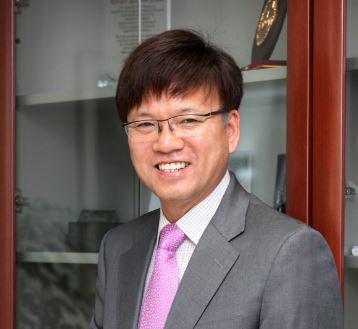
Controversial Appointments to South Korea’s Regulatory Reform Committee Spark Debate
Seoul, South Korea – Recent appointments to President Lee Jae-myung’s Regulatory Reform Committee have ignited public discussion, particularly surrounding the inclusion of Lee Byung-tae, a professor emeritus at the Korea Advanced Institute of Science and Technology (KAIST). Professor Lee, appointed as a vice-chair of the committee on March 2nd, 2026, has issued a public apology for past controversial remarks, acknowledging that his “imprecise expressions” may have caused offense. The appointments, which also include Namgung Beom, a former executive at S1 Corporation, and Park Yong-jin, a former Democratic Party lawmaker, signal the Lee administration’s intent to aggressively pursue regulatory reform as a cornerstone of its “growth for all” policy.
The Regulatory Reform Committee, a presidential body with a rank equivalent to that of a prime minister, is tasked with streamlining regulations to foster economic growth and innovation. The selection of individuals from diverse backgrounds – business, politics, and academia – reflects a deliberate strategy to bring a broad range of perspectives to the table. However, Professor Lee’s past statements, which have been described as insensitive and provocative, have drawn criticism from opposition parties and raised questions about his suitability for the role. This appointment comes amidst a broader national conversation about social cohesion and the responsibilities of public officials.
Professor Lee’s Apology and Past Controversies
In a Facebook post on March 3rd, 2026, Professor Lee expressed his “sincere understanding and forgiveness” to anyone who may have been offended or hurt by his previous statements. The apology followed mounting scrutiny of remarks he made in the past, including comments described as defending Japanese colonialism, disparaging the remembrance of the Sewol ferry disaster victims, and labeling the previous Moon Jae-in administration as a “parasitic regime.” These statements, widely circulated in South Korean media, prompted calls for his resignation from the opposition Jooguk Innovation Party, with spokesperson Park Chan-kyu expressing “deep concern and regret” and requesting a reconsideration of the appointment. OhmyNews reported on the initial appointment and the ensuing controversy.
Professor Lee acknowledged that his past comments, made as a scholar and citizen expressing his convictions, were sometimes perceived as representing a particular political ideology and that his delivery could be “rough or sharp.” He stated that he did not fully consider the weight of public office at the time and was “consumed by the urgency of ensuring the country moves in the right direction.” He pledged to approach his new role with “greater responsibility,” listening attentively and working towards the “integration and development” of the community. He also emphasized the challenges of regulatory reform, stating that “words are easy, but action is very difficult,” and that success requires the “passionate support” of the public and input from those directly affected.
Government Response and Justification for Appointment
Prior to Professor Lee’s apology, Hong Ik-pyo, the President’s Political Affairs Chief, indicated that the administration was willing to consider the appointment if Professor Lee could provide a “reasonable explanation” that would be acceptable to society. According to reports, the government believes that Professor Lee’s expertise and perspective are valuable for the committee’s work. The appointments of Professor Lee, Namgung Beom, and Park Yong-jin were announced on March 2nd, 2026, by the Presidential Office. The Seoul Economic Daily detailed the appointments and the administration’s rationale, highlighting the diverse backgrounds of the appointees.
The Regulatory Reform Committee is chaired by the President, and the vice-chairs are appointed by the President from among individuals with “academic expertise and experience.” The committee’s mandate is to identify and eliminate unnecessary regulations that hinder economic growth and innovation. The Lee administration views regulatory reform as crucial to achieving its goal of “growth for all,” aiming to create a more business-friendly environment and promote investment. Namgung Beom, with over 30 years of experience at Samsung Electronics and as the former CEO of S1 Corporation, is expected to bring valuable insights into the challenges faced by the private sector. Park Yong-jin, a former lawmaker, is recognized for his work in identifying and improving regulations during his time in the National Assembly.
The Broader Context of Regulatory Reform in South Korea
South Korea has long grappled with a complex web of regulations that are often seen as stifling innovation and hindering economic competitiveness. Successive administrations have attempted to streamline regulations, but progress has been slow. The Lee administration has signaled a more aggressive approach, promising to tackle deeply entrenched regulatory barriers and create a more dynamic business environment. This commitment to regulatory reform is part of a broader effort to address economic challenges, including slowing growth, an aging population, and increasing global competition.
The appointment of Professor Lee, despite his controversial past, underscores the administration’s willingness to seize risks and challenge conventional wisdom. While his past statements have drawn criticism, supporters argue that his intellectual rigor and independent thinking will be valuable assets to the committee. The success of the regulatory reform effort will depend on the committee’s ability to build consensus and navigate the complex political and economic landscape of South Korea. The committee’s work will likely face resistance from vested interests and require careful consideration of the potential social and economic impacts of any proposed changes.
Key Takeaways
- Professor Lee Byung-tae, newly appointed to the Regulatory Reform Committee, has apologized for past controversial statements.
- The appointments reflect President Lee Jae-myung’s commitment to regulatory reform as a key policy objective.
- The committee’s work is expected to face challenges from vested interests and require careful consideration of potential impacts.
- The appointments have sparked debate about the balance between expertise, political ideology, and social responsibility in public service.
The Regulatory Reform Committee is scheduled to hold its first meeting in late March 2026 to discuss its priorities and work plan. Further updates on the committee’s activities and progress will be available on the Presidential Office’s website. Readers are encouraged to share their thoughts and perspectives on this important issue in the comments section below.