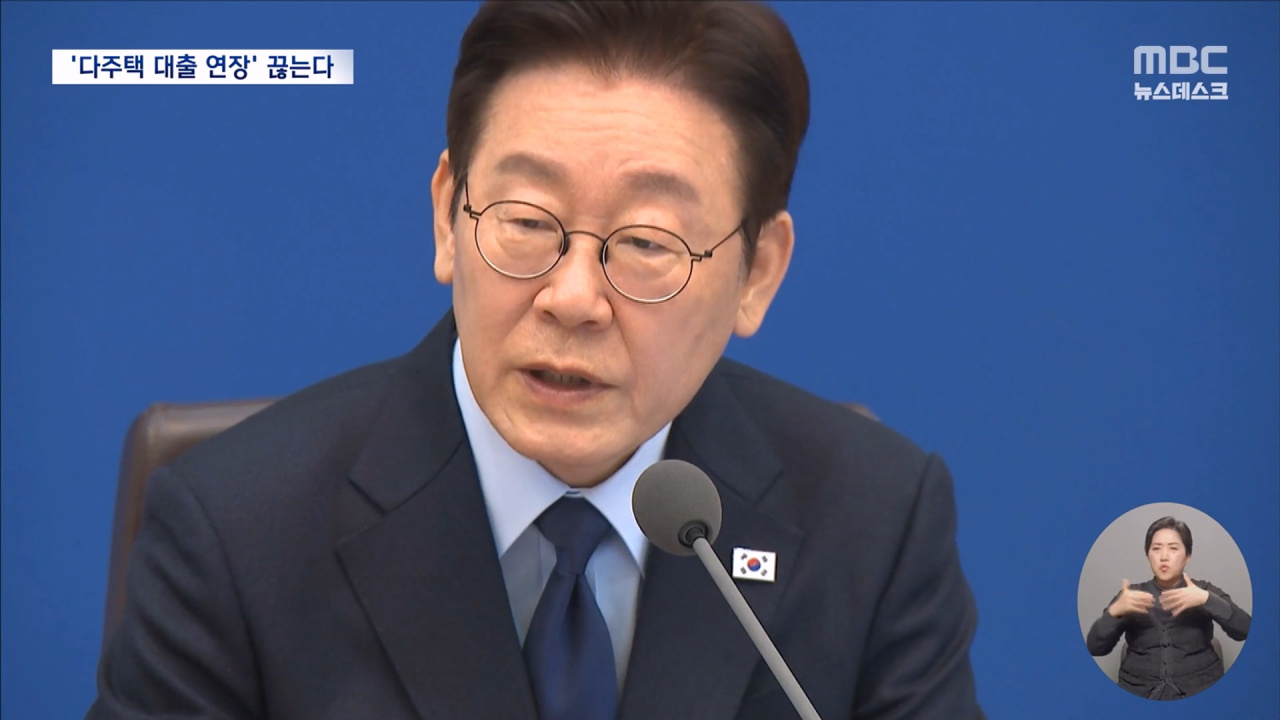
Seoul, South Korea – South Korean President Lee Jae-myung is intensifying scrutiny of the country’s multi-homeowners, signaling a renewed push to address perceived inequities in the nation’s housing market. The move comes as the administration seeks to stabilize property values and curb speculative investment, a key pledge made during Lee’s campaign. The latest directive focuses on closing loopholes that allow existing homeowners to extend their mortgages under more favorable terms than those available to first-time buyers, a practice the President has characterized as unfair.
The President’s intervention, communicated directly via his social media channels, underscores the urgency with which the administration views the issue. This direct communication strategy, whereas unusual, highlights Lee’s commitment to directly addressing public concerns regarding real estate, a sector long considered a driver of wealth inequality in South Korea. The focus on multi-homeowners reflects a broader effort to dismantle what Lee’s administration terms a “real estate republic” – a system perceived as benefiting speculators at the expense of ordinary citizens.
Addressing Loopholes in Multi-Homeowner Lending
The core of the President’s directive centers on ensuring parity between mortgage terms for existing multi-homeowners and those seeking new loans. Currently, regulations in areas like the Gangnam district – a traditionally affluent and highly regulated zone – severely restrict new loans for individuals purchasing additional properties. However, existing homeowners often benefit from more lenient terms when extending their current mortgages, creating what the administration views as an unfair advantage. This discrepancy, according to officials, allows some homeowners to circumvent regulations designed to cool the market and limit speculative investment.
According to reports, the President has instructed financial authorities to thoroughly review and revise regulations to eliminate this perceived loophole. The goal is to apply the same restrictions to mortgage extensions as those governing new loans, effectively leveling the playing field. This move is expected to impact a significant number of homeowners, potentially forcing them to refinance under stricter conditions or consider selling properties if they are unable to meet the new requirements. The Korean news outlet, KBS News, reported that President Lee has repeatedly emphasized the need to dismantle the “real estate republic” and create a fairer system for all citizens. KBS News
Broader Context: Government Efforts to Stabilize the Housing Market
This latest directive is part of a wider series of measures undertaken by the Lee administration to address the ongoing challenges in the South Korean housing market. The government has been grappling with soaring property prices for years, fueled by low interest rates, speculative investment, and a limited housing supply. Previous attempts to curb price increases, including stricter lending regulations and increased property taxes, have had limited success. The administration’s current approach appears to be more targeted, focusing on closing loopholes and addressing perceived inequities within the existing regulatory framework.
The timing of this renewed focus on multi-homeowners is also significant. With elections looming, the administration is under pressure to demonstrate tangible progress in addressing the housing crisis. The issue resonates deeply with voters, particularly younger generations who struggle to afford homes in major urban centers. The Chosun Ilbo reported that the President’s repeated statements on the issue signal a clear intention to prioritize housing affordability in the lead-up to the elections. Chosun Ilbo
Potential Impact on Multi-Homeowners
The President’s directive leaves multi-homeowners with limited options: selling properties, gifting them to family members, or retaining them under potentially less favorable mortgage terms. The Maeil Business Newspaper outlined these three primary paths for multi-homeowners as the administration’s policies take effect. Maeil Business Newspaper This shift could trigger a wave of property sales, potentially increasing supply and putting downward pressure on prices. However, the extent of this impact remains to be seen, as it will depend on a variety of factors, including overall economic conditions and investor sentiment.
The potential for increased property sales also raises concerns about the impact on the broader economy. The real estate sector is a significant contributor to South Korea’s GDP, and a sharp decline in property values could have ripple effects throughout the economy. The government will need to carefully manage the situation to mitigate any negative consequences.
The “Unfair Advantage” and Public Perception
The administration’s focus on the perceived “unfair advantage” enjoyed by multi-homeowners is rooted in a growing sense of public frustration over housing affordability. Many South Koreans believe that the current system favors wealthy investors and speculators, making it increasingly difficult for ordinary citizens to achieve the dream of homeownership. This perception has fueled social unrest and contributed to a decline in public trust in government institutions.
President Lee’s direct engagement on social media reflects an attempt to connect with voters and demonstrate his commitment to addressing their concerns. By publicly criticizing the loopholes in the existing regulations, he is signaling his determination to level the playing field and create a more equitable housing market. This strategy also serves to galvanize support for his administration’s policies and counter criticism from opponents who argue that the government’s interventions are harmful to the economy.
Government’s Broader Economic Strategy
Beyond housing, President Lee has also signaled a broader commitment to tackling anti-competitive practices across various sectors of the economy. He has specifically identified industries like sugar, flour, and school uniforms as areas where “cartel-like” behavior is prevalent. This suggests a wider strategy of promoting fair competition and dismantling entrenched interests that stifle economic growth. The President has called for “active administration” and a “powerful and swift” response from government agencies to address these issues.
The administration’s emphasis on economic fairness and social equity is likely to shape its policy agenda in the coming months. As the country prepares for elections, voters will be closely watching to witness whether the government can deliver on its promises to create a more just and prosperous society. The success of these efforts will depend on the government’s ability to navigate complex economic challenges and build consensus among diverse stakeholders.
The next key development to watch will be the official announcement of the revised mortgage regulations by the Financial Supervisory Service, expected within the next two weeks. This announcement will provide clarity on the specific measures that will be implemented to address the loopholes identified by the President. Stakeholders are encouraged to monitor official government channels for updates and further details.
What are your thoughts on the President’s new directive? Share your comments below and let us know how you think these changes will impact the South Korean housing market.