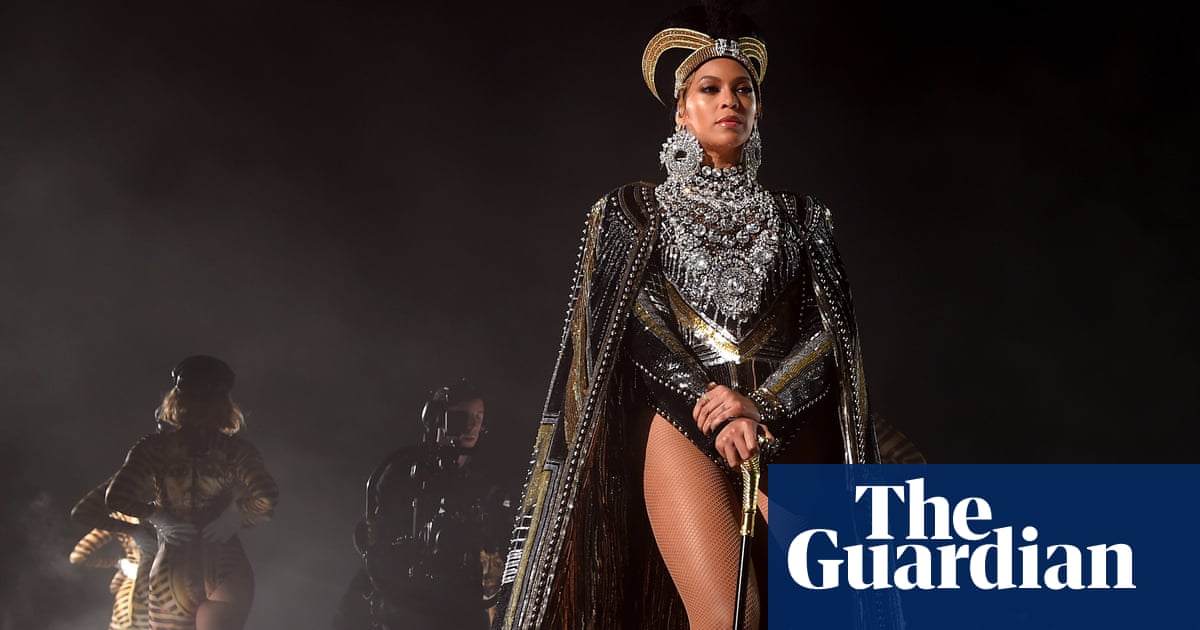
Legendary live music performances are defined by their cultural impact, technical execution, and the specific moment they captured in history, ranging from Beyoncé’s 2018 Coachella “Homecoming” to the raw energy of Oasis at Knebworth. These events often transcend the music itself to become historical markers of a genre or an artist’s career trajectory.
For music historians and fans, the appeal of these “legendary gigs” lies in the intersection of timing and talent. Whether it is the precision of Daft Punk’s 2006-2007 “Alive” tour or the unexpected intimacy of Amy Winehouse at the North Sea Jazz Festival, these shows altered how audiences experienced live sound. These performances typically move from being mere concerts to cultural touchstones that are analyzed by critics and preserved in digital archives for decades.
The scale of these events varies from intimate club dates to stadium spectacles. For example, the 1977 Talking Heads performance at the Rock Garden in London showcased the band’s early avant-garde approach to pop, while the massive crowds at Glastonbury for Kanye West highlighted the tension between high-concept production and the unpredictability of live festivals. Each of these moments serves as a case study in the evolution of the live concert experience.
What makes a concert a legendary live music performance?
A performance earns "legendary" status when it shifts the paradigm of live entertainment. According to music archives and critical reviews, this often happens through a combination of visual spectacle, emotional vulnerability, or a specific historical context.

Technical innovation also plays a critical role. Daft Punk’s “Alive” tour, which debuted in 2006, is frequently cited by electronic music critics for its integration of a massive LED pyramid and seamless looping, which bridged the gap between DJ sets and traditional rock concerts. This approach influenced the subsequent “EDM boom” in the United States and Europe by proving that electronic acts could command stadium-sized audiences through visual storytelling.
Conversely, some of the most enduring memories come from raw, unpolished moments. Amy Winehouse’s appearances at the North Sea Jazz Festival are often recalled for her vocal prowess and the palpable tension of her live presence, illustrating that a “legendary” gig does not always require a multimillion-dollar budget, but rather a genuine connection between the performer and the listener.
How did iconic artists redefine the stadium experience?
The transition from theaters to stadiums required artists to change how they communicated with an audience. Oasis provided a blueprint for this in August 1996, playing two nights at Knebworth Park. According to official event records, the concerts were attended by approximately 250,000 people over two days, making it one of the largest ticketed events in UK history at the time. The sheer volume of the crowd and the band’s perceived “rock star” arrogance created a cultural peak for the Britpop era.
Britney Spears’ early 2000s tours similarly utilized the stadium format to blend pop music with high-concept dance and costume changes. Her ability to maintain precision choreography while singing in front of tens of thousands of people set a new standard for the “Pop Princess” archetype, influencing a generation of performers who viewed the stage as a theatrical space rather than just a place to play music.
Brian Wilson and The Beach Boys offered a different approach to the legendary gig. While not always stadium-fillers in the same vein as Oasis, Wilson’s later live performances—particularly those involving the complex harmonies of *Pet Sounds*—are viewed as triumphs of artistic persistence. For fans, seeing Wilson recreate the intricate studio layers of his 1960s work in a live setting is a testament to the enduring nature of songwriting over spectacle.
Why do certain festival sets remain culturally significant?
Festivals provide a unique environment where an artist can either solidify their legacy or face intense public scrutiny. Kanye West’s history at Glastonbury serves as a prime example. His performances there are often analyzed for their ambition and the friction they created with the festival’s traditional rock-centric roots. These sets are remembered not just for the music, but for the dialogue they sparked regarding the role of hip-hop in global festival culture.
The significance of these sets often boils down to a “you had to be there” mentality. This is evident in the recall of Talking Heads at the Rock Garden in 1977. In a small venue, the band’s nervous energy and idiosyncratic rhythms were amplified, creating an intimacy that is lost in larger venues. This contrast highlights the spectrum of legendary gigs: the massive, planned spectacle versus the accidental, electric moment of discovery.
The impact of these performances is often measured by their afterlife in media. From bootleg recordings to official concert films, the way a show is documented determines its longevity. The recording of the “Alive” tour by Daft Punk, for example, allowed a global audience to experience the visual and sonic assault of the pyramid, cementing its status as a landmark in electronic music history.
Comparing the impact of spectacle versus raw talent
When analyzing these legendary gigs, a clear divide emerges between “Spectacle-Driven” and “Talent-Driven” performances. While both can be legendary, they affect the audience differently.

Spectacle-driven shows, such as Beyoncé’s Coachella set or Daft Punk’s “Alive,” rely on a synergy of lighting, sound engineering, and choreography. The goal is to create an immersive environment where the artist is the center of a larger-than-life machine. These shows are often cited for their “perfection” and their ability to leave the audience in awe of the production value.
Talent-driven shows, such as Amy Winehouse’s jazz festival appearances or Brian Wilson’s orchestral recreations, rely on the purity of the sound and the emotional state of the performer. The impact here is more personal; the audience is not looking at a machine, but at a human being interpreting music in real-time. These performances are often remembered for their “honesty” or “fragility.”
The most enduring legendary gigs often find a way to blend both. Oasis at Knebworth had the spectacle of the crowd and the scale of the venue, but it was driven by the raw, aggressive charisma of the Gallagher brothers. This blend of massive scale and individual personality is what typically elevates a concert from a successful tour date to a historical event.
For those seeking to explore these moments further, official archives from the Glastonbury Festival and the Coachella Valley Music and Arts Festival provide timelines of the artists who have shaped these stages. Additionally, the Rock and Roll Hall of Fame maintains records of the artists mentioned, detailing their contributions to the evolution of live performance.
The next major milestone for live music documentation will likely involve the integration of augmented reality (AR) and immersive streaming, as artists continue to seek new ways to recreate the “legendary” feeling for those who cannot attend in person. As technology evolves, the definition of a “gig” continues to expand, but the core requirement remains the same: a performance that changes the listener’s perspective on the music.
Do you have a memory of a concert that felt like history in the making? Share your experiences and the artists who redefined live music for you in the comments below.