
Hong Kong Music Community Mourns the Passing of Renowned Lyricist Yan Kui
The Hong Kong music scene is mourning the loss of Yan Kui, a prolific and versatile lyricist whose work bridged the gap between traditional Cantopop and the viral digital age. Yan Kui passed away at the age of 60, leaving behind a legacy of evocative storytelling and a deep influence on several generations of musicians.
Known for his ability to capture both the mundane and the extraordinary, Yan Kui’s career was marked by a rare duality. He was as comfortable writing high-energy anthems for rock bands as he was crafting the quirky, rhythmic lyrics that would eventually propel songs to viral status across the internet. His passing marks the end of a creative era for many who viewed his work as a reflection of Hong Kong’s evolving cultural identity.
As a journalist who spends most of my time analyzing the strategic precision of international football and the discipline of Olympic athletes, I have always found a parallel in the work of a master lyricist. Both require a rigorous commitment to timing, an understanding of rhythm and the ability to evoke raw emotion in a matter of seconds. Yan Kui possessed this precision, turning the Cantonese language into a percussive instrument that resonated with listeners across Asia.
His contributions extended far beyond a few hits; he was a cornerstone for various artists, providing the emotional architecture for songs that defined specific moments in the city’s musical history. From the neon-lit energy of the 80s and 90s to the algorithmic trends of the 2020s, his pen remained relevant and poignant.
The Viral Phenomenon of ‘Hong Kong Cuisine’
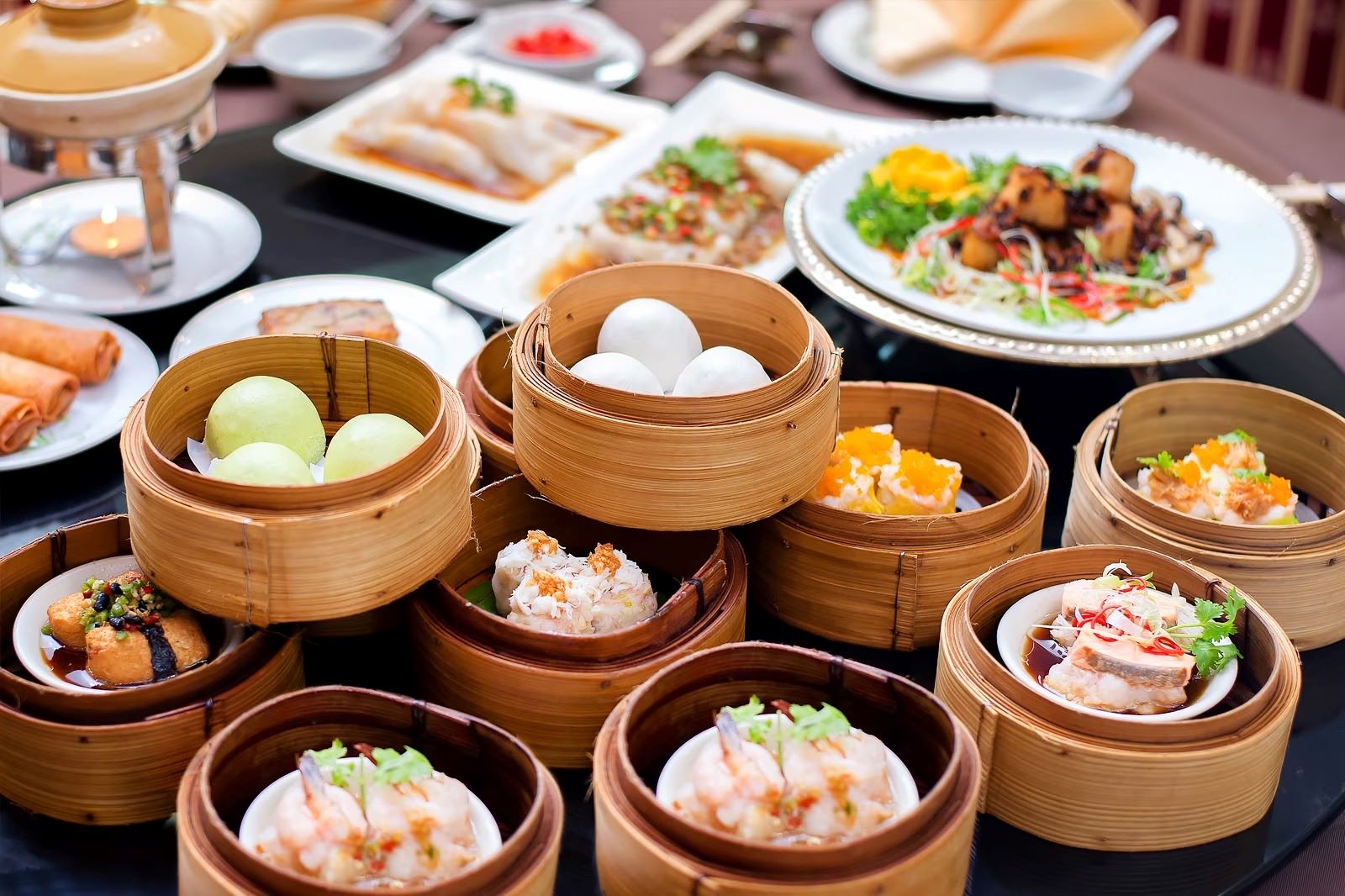
In recent years, Yan Kui found himself at the center of an unexpected cultural moment with the song “Hong Kong Cuisine” (香港料理), written for the veteran entertainer Adam Cheng. The track became a “network god song”—a term used in the region to describe a viral hit that transcends traditional media to dominate social platforms.
The song’s success was rooted in its infectious energy and its clever, rhythmic listing of the city’s culinary delights, blending cultural pride with a playful spirit. However, the irony of the song’s massive popularity was not lost on the creator. In reflections shared during his life, Yan Kui admitted that he did not fully understand why the song became such a sensation, showcasing a humility that often contrasted with the loud, public nature of his success.
This disconnect between the artist’s intent and the public’s reception is a common thread in the history of viral art, but for Yan Kui, it served as a testament to his ability to tap into a collective consciousness, even when the mechanism of that connection remained a mystery to him.
A Defining Partnership with the Band Tai Chi
While “Hong Kong Cuisine” brought him renewed attention in the digital era, Yan Kui’s deepest professional bond was with the band Tai Chi (太極). His collaboration with the group was one of the most fruitful partnerships in the history of Hong Kong rock and pop, with Yan Kui penning more than 70 sets of lyrics for the band.
His work with Tai Chi helped define their sound, blending melodic accessibility with a certain poetic edge. Among his most celebrated contributions to the band’s discography are the tracks “Red Sports Car” (紅色跑車), “Crystal,” and “Dragon Ball Second Generation” (龍珠二世). These songs are remembered not only for their commercial success but for their ability to capture the aspirations and anxieties of the youth at the time.
Following the news of his passing, members of Tai Chi expressed profound grief, describing the loss as a heavy blow to the community. In a touching tribute, the band shared their heartache, wishing that Yan Kui could find peace and reunite with other departed creative spirits, such as the lyricist Gary Tong, to continue their musical collaborations in the afterlife.
The Human Struggle: Mental Health and Creative Bonds
Beyond the professional accolades and the viral hits, Yan Kui’s life was marked by a quiet, courageous battle with mental health. In an industry that often demands a polished, unflappable exterior, Yan Kui’s struggles were a poignant reminder of the vulnerability that often fuels great art.
This shared experience of mental illness led to a deep and meaningful friendship with fellow artist Chow Wing-hang. The two found solace in one another, forming a bond based on mutual understanding and shared suffering. This connection evolved into a creative partnership, where their shared struggles became a source of strength and inspiration for their work.
In 2023, this bond was highlighted when Yan Kui spoke out regarding the personal challenges faced by Chow Wing-hang, demonstrating a level of loyalty and empathy that extended far beyond professional courtesy. Their relationship served as a vital support system, proving that the most enduring partnerships in the arts are often built on the foundation of shared humanity and the courage to be vulnerable.
The intersection of mental health and creativity is a complex topic, but Yan Kui’s life illustrated how the pain of the human condition can be transmuted into lyrics that offer comfort and recognition to others. His ability to maintain his creative output while navigating these internal storms is a testament to his resilience.
A Legacy of Versatility and Emotion
To understand the impact of Yan Kui is to understand the versatility of the Hong Kong music scene. He was not a one-dimensional writer; he could pivot from the whimsical to the melancholic, from the commercial to the experimental, without losing his distinct voice.

His work acted as a mirror to the city—fast-paced, eclectic, and deeply emotional. Whether he was writing about the thrill of a fast car or the simple joy of a local dish, he infused his lyrics with a sense of place and a genuine love for the culture of Hong Kong.
For the fans of Tai Chi and the listeners who discovered him through Adam Cheng, Yan Kui was more than just a name in the liner notes. He was the architect of the words they sang, the person who gave voice to feelings they couldn’t quite articulate. His death leaves a void in the lyric-writing community that will be difficult to fill, as few possessed his unique blend of technical skill and emotional honesty.
The legacy of Yan Kui will continue to live on through the thousands of records that feature his words. Every time “Red Sports Car” plays or “Hong Kong Cuisine” trends on a social media feed, his presence will be felt, reminding the world of a man who could find the poetry in the everyday.
As the music community prepares to honor his memory, the focus remains on the enduring power of his words. A lyricist’s greatest achievement is not the fame they acquire, but the way their words continue to resonate in the hearts of strangers long after the music has stopped.
Details regarding memorial services or official tributes are expected to be shared by his family and close collaborators in the coming days. We encourage readers to share their favorite songs penned by Yan Kui in the comments below to celebrate his extraordinary contribution to music.