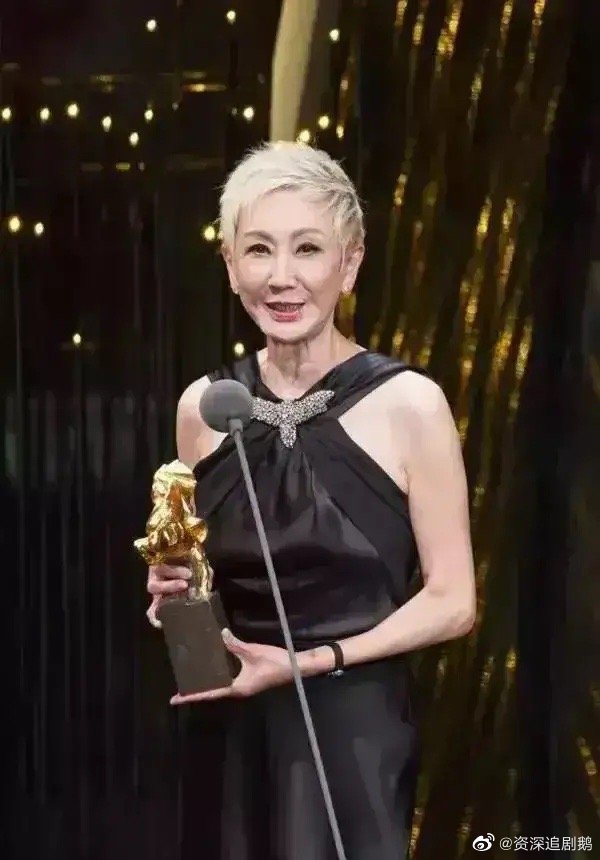
Legendary film producer Nansun Shi, widely regarded as one of the most influential figures in the development of Hong Kong cinema, has passed away at the age of 75 due to multiple organ failure. Known for her sharp business acumen and her role in shaping the careers of numerous icons, Shi’s death has prompted an outpouring of tributes from across the global film industry, marking the end of a transformative era for the region’s creative output.
Shi’s career spanned decades, during which she served as a foundational force behind Cinema City and later Film Workshop, the production company she co-founded with director Tsui Hark. Her work was instrumental in the success of genre-defining projects such as the Once Upon a Time in China series and the Detective Dee franchise. Her passing was confirmed following reports that she had been battling health complications, leading to a profound sense of loss among colleagues and peers who recognized her as a pioneer for women in executive roles in Asian media.
A Legacy of Creative and Commercial Success
Nansun Shi was frequently cited by industry peers as the “golden hand” behind many of Hong Kong cinema’s greatest hits. Her approach to production blended a deep understanding of artistic vision with a rigorous, pragmatic focus on distribution and international market viability. By the 1980s and 1990s, she had become a central figure in what many critics describe as the “Golden Age” of Hong Kong film, balancing the creative demands of directors with the fiscal realities of a rapidly growing global industry.
Her institutional influence extended well beyond the production house. Shi was a frequent presence at international film festivals, including Cannes, where she served as a jury member in 2011. This role underscored her status as a bridge between Eastern production houses and Western markets, helping to elevate the profile of Hong Kong filmmakers on the world stage. For those tracking the evolution of Asian cinema, her career serves as a case study in how independent producers can maintain creative integrity while achieving massive commercial reach.
Tributes and Industry Reflection
Following the announcement of her passing, members of the entertainment community shared personal reflections on her impact. Actresses Brigitte Lin and Joey Wong, both of whom worked with or maintained close personal ties to Shi, expressed their grief through public statements and social media, highlighting her poise and professional grace. Lin, who once famously described Shi as the “most stylish woman” in her circle, noted the depth of her professional discipline and the personal warmth she offered to those she mentored.
The sentiment shared by industry veterans reflects a broader consensus: Shi was not merely a producer, but a standard-bearer for a generation of professionals who navigated the transition of Hong Kong media through changing political and economic landscapes. Her ability to remain relevant while mentoring new talent ensured that her influence would persist beyond her own projects, impacting the structural development of the industry itself.
Understanding the Impact on Hong Kong Cinema
Shi’s career trajectory offers a clear look at the professionalization of film production in Asia. Before her rise to prominence, the roles of producers were often less defined; Shi helped codify the producer’s role in ensuring quality control, budget management, and international licensing. This shift was critical for the survival of the industry during the late 20th century, as films moved from local theater circuits to global export markets.
Her legacy remains tied to the institutional memory of companies like Film Workshop, which continue to influence how Hong Kong-based films are financed and marketed today. As the industry faces new challenges in the digital streaming era, the models established by producers like Shi—emphasizing cross-border collaboration and rigorous project management—remain relevant for current and future filmmakers.
While no further public memorial arrangements have been officially announced by her family or estate at this time, the global film community continues to honor her memory through retrospectives of her work. Readers are encouraged to share their own reflections on Shi’s contribution to cinema in the comments section below as the industry reflects on her enduring impact.
Related reading