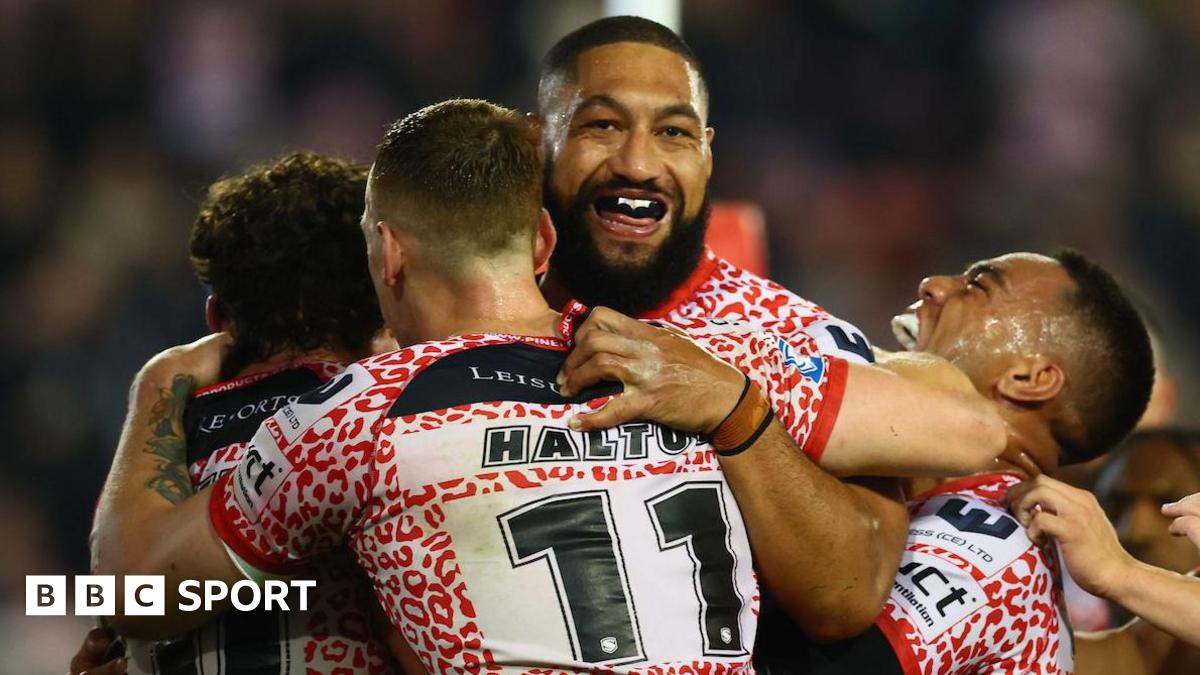
Leigh Leopards Dominate wakefield Trinity in Playoff Clash: A Detailed Analysis
the Leigh Leopards secured a commanding 26-14 victory over Wakefield Trinity in their Super League playoff encounter, propelling them towards a potential second consecutive semi-final appearance. For Wakefield, returning to the playoffs after a 13-year absence, the match marked a meaningful milestone in their resurgence under daryl Powell, though ultimately ended in defeat. This report provides a extensive breakdown of the game, analyzing key moments and strategic takeaways.
First Half: Leigh Establishes Control
From the kickoff, Leigh demonstrated intent. An early charge-down attempt by Josh Griffin hinted at Wakefield’s ambition, but the Leopards quickly wrestled control.
Leigh’s dominance was evident in their attacking fluidity. Slick passing movements led to the opening try, with Umyla Hanley setting up winger Tom Brand for his seventh try in just four matches – and his 17th of the super League season.
Wakefield faced an early setback with a leg injury to second rower Matty Storton within the first five minutes, disrupting their momentum. Leigh relentlessly pressured Wakefield’s defense, forcing them into a sustained period defending deep within their own territory. Frankie Halton was denied a try, held up just short of the line, and Hanley’s powerful run was also thwarted by a resolute Trinity defense.
However, the constant pressure eventually told. A powerful run from Edwin Liu cracked Wakefield’s battered backline, extending Leigh’s lead. Lachlan Lam then orchestrated another attack with a well-placed 40-20 kick, ultimately leading to a try for Ryan Charnley in the left corner.
Second Half: Wakefield responds,Leigh Retains Command
Wakefield desperately needed a response after the break,and they found it through a moment of brilliance. A high kick from mason Lino rebounded off Leigh’s O’Brien, allowing Trinity to quickly shift the ball to the right, where winger Dean Myers finished with a spectacular one-handed diving effort.
Regrettably for Wakefield, any momentum gained was instantly lost. an error on the restart gifted Leigh a penalty, stalling Trinity’s comeback attempt. Leigh capitalized, with Keanan Tuitavake powering over the line to extend the hosts’ advantage to 26-4.
Controversial Incident and Late Try
The match saw a brief interruption when Leigh’s half-back, Lachlan Lam, was placed on report. Referee Liam Moore cited an accusation of “unacceptable language” towards Wakefield’s Lino following a heated exchange.
Despite the incident, Leigh maintained control. However, Wakefield managed a consolation try in the dying moments. Scott weaved through a gap in Leigh’s defense and showcased extraordinary pace to outrun the chasers, adding a touch of respectability to the final scoreline.
Key Takeaways & Strategic Observations
* Leigh’s Attacking Prowess: The Leopards’ ability to create opportunities through slick passing and dynamic runs proved decisive. Their consistent pressure forced Wakefield into errors and ultimately broke their defensive line.
* Wakefield’s Resilience: Despite the defeat, Wakefield demonstrated commendable resilience, especially in the first half when defending against relentless Leigh attacks.
* Impact of Injuries: Matty Storton’s early injury undoubtedly hampered Wakefield’s forward momentum and disrupted their overall game plan.
* Discipline & Control: Leigh’s ability to maintain discipline and control throughout the match was a key factor in their victory.
Evergreen Section: The Evolution of Super League Playoffs
The Super League playoff system has evolved substantially as its inception in 1998. Initially designed to create a more competitive and exciting conclusion to the season, the format has undergone several changes to balance fairness, fan engagement, and broadcast appeal.
Early iterations featured a more complex structure with multiple rounds of qualifying matches. Over time, the system has streamlined, prioritizing the top teams while still offering opportunities for lower-ranked sides to compete. The current format, with its emphasis on league position and a series of elimination matches, aims to reward consistent performance throughout the regular season.
Looking ahead, potential future changes could include adjustments to the number of playoff teams or modifications to the seeding criteria. The ongoing goal remains to create a playoff system that is both compelling for fans and representative of the competitive landscape of Super League.
FAQ:
Worth a look