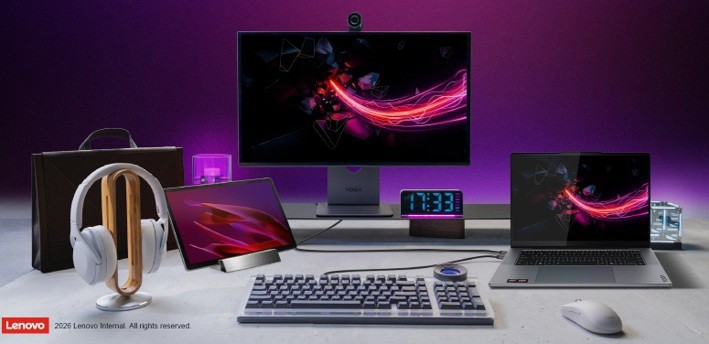
Lenovo is preparing to expand its integration of artificial intelligence across its consumer laptop portfolio, specifically targeting the Yoga and IdeaPad product lines for a wide-scale rollout in the second half of 2026. This move aligns with the broader industry transition toward “AI PCs,” which utilize dedicated neural processing units (NPUs) to handle machine learning tasks locally on the device rather than relying solely on cloud-based processing.
As the technology industry shifts toward hardware capable of running large language models and advanced generative AI tools, manufacturers are increasingly focusing on the efficiency and privacy benefits of on-device computation. By embedding AI capabilities directly into the Yoga and IdeaPad series, Lenovo aims to differentiate its consumer offerings from standard computing hardware, emphasizing performance enhancements for creative workflows and automated system optimization.
The Shift Toward On-Device Artificial Intelligence
The push to integrate AI into personal computers is currently driven by the development of silicon designed to handle high-frequency neural tasks. According to Intel’s AI PC Acceleration Program, the industry is moving toward a standard where hardware is optimized for local AI execution to reduce latency and improve security for sensitive data. Lenovo’s strategy for its 2026 lineup follows this trajectory, aiming to ensure that both premium Yoga devices and mainstream IdeaPad models can support the next generation of AI-enabled software applications.

For consumers, this transition signifies a change in how laptops manage system resources. Instead of delegating tasks like background noise cancellation, predictive text, or image rendering to the cloud, upcoming Lenovo models are expected to utilize integrated NPUs. This approach is intended to provide a more responsive experience while maintaining the thermal and battery efficiency required for mobile devices.
Strategic Positioning of the Yoga and IdeaPad Series
Lenovo’s product strategy segments these two lines to address distinct market needs. The Yoga series, typically positioned as a premium, convertible, and portable line, is expected to receive the most advanced AI implementations. These features will likely focus on productivity-enhancing software that leverages the series’ high-resolution displays and versatile form factors.

Conversely, the IdeaPad line serves the mainstream market, focusing on accessibility and value. By bringing AI capabilities to this tier by late 2026, Lenovo intends to make advanced computing features available to a broader range of users, including students and office professionals. This democratization of AI hardware is a key component of the company’s long-term competitive strategy, as noted in recent Lenovo Group investor disclosures regarding their commitment to “Smarter AI for All.”
Industry Challenges and Future Outlook
While the hardware roadmap for 2026 is becoming clearer, the industry faces significant hurdles in software compatibility and user adoption. The success of AI-integrated laptops depends heavily on whether software developers can create applications that effectively utilize the available NPU power. As reported by Reuters, PC manufacturers are currently betting that these hardware upgrades will incentivize a new wave of consumer demand, potentially reversing recent trends of stagnant growth in the global laptop market.
For Lenovo, the challenge remains in balancing the cost of high-end AI components with the price sensitivity of the consumer market. By setting a target for the second half of 2026, the company is allowing for the maturation of both the semiconductor supply chain and the software ecosystem. This timeline suggests a phased approach where early iterations will likely focus on baseline AI performance, with more complex features being introduced as the technology scales.
Monitoring Upcoming Developments
Investors and consumers can monitor the progression of these product lines through Lenovo’s official press portal and its quarterly financial filings, which detail the company’s roadmap for hardware innovation. The next significant indicators of progress will likely appear during major industry trade shows, such as CES 2026, where manufacturers typically debut prototypes and finalize hardware specifications for the upcoming fiscal year.

As the industry moves closer to the 2026 rollout, more specific details regarding the NPU architecture and software partnerships are expected to emerge. Readers interested in the latest updates on Lenovo’s hardware advancements are encouraged to check back for additional reporting on industry trends and to share their thoughts on the integration of AI in consumer technology.