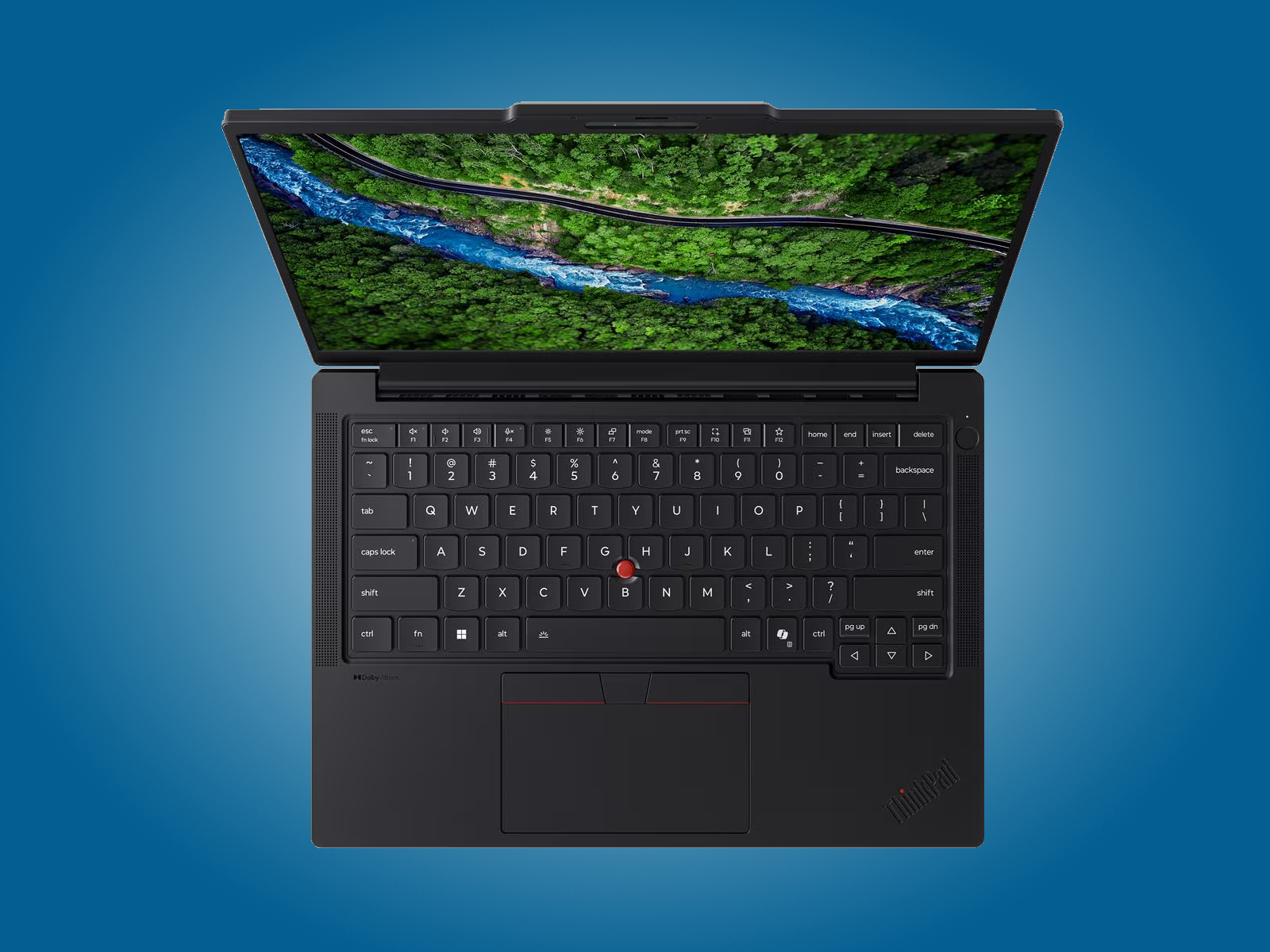
Lenovo is aggressively redefining the boundaries of the ultra-portable category, pushing hardware specifications into territory previously reserved for heavy-duty workstations. The company’s latest push into high-performance 14-inch laptops signals a strategic pivot toward “AI-native” computing, combining extreme memory capacities with the next generation of silicon from both Intel, and AMD.
For professional users, the most striking development is the introduction of a 14-inch chassis capable of supporting up to 96GB of RAM and a 120Hz OLED display. This configuration addresses a long-standing pain point for software developers, data scientists, and creative professionals who require the portability of a 14-inch form factor but the memory overhead typically found in 16-inch “desktop replacement” laptops.
This hardware surge coincides with a broader industry transition toward the “AI PC.” By integrating specialized Neural Processing Units (NPUs) and massive memory pools, Lenovo is preparing its fleet for local LLM (Large Language Model) execution, reducing reliance on the cloud for generative AI tasks. These updates are not merely incremental; they represent a fundamental shift in how mobile workstations are engineered for the 2026 hardware cycle.
The 14-Inch Powerhouse: OLED and 96GB RAM
The centerpiece of Lenovo’s recent hardware expansion is a new 14-inch model that blends high-fidelity visuals with unprecedented memory. The integration of a 120Hz OLED panel ensures that the device is suitable for both high-end video editing and fluid UI interactions, providing the color accuracy and contrast ratios essential for professional design work.

However, the real story is the 96GB of RAM. While 32GB and 64GB have been the standard ceilings for premium ultra-portables, the jump to 96GB is made possible by the adoption of high-density LPDDR5x memory modules. This capacity is critical for users running multiple virtual machines, compiling massive codebases, or utilizing local AI tools that require significant VRAM or system memory to hold model weights.
By packing this level of power into a 14-inch frame, Lenovo is targeting the “prosumer” market—individuals who refuse to choose between a light bag and a powerful machine. This move places significant pressure on competitors to optimize their thermal solutions, as driving 96GB of high-speed memory and a high-refresh OLED screen in a compact chassis requires sophisticated heat dissipation to avoid thermal throttling.
Intel Panther Lake and the Core Ultra X9 Mystery
Industry reports have highlighted the early appearance of Intel’s “Panther Lake” architecture within Lenovo’s high-end lineup. Panther Lake represents Intel’s next leap in efficiency and AI performance, designed to further integrate the NPU into the core fabric of the processor to handle background AI tasks without draining the battery.
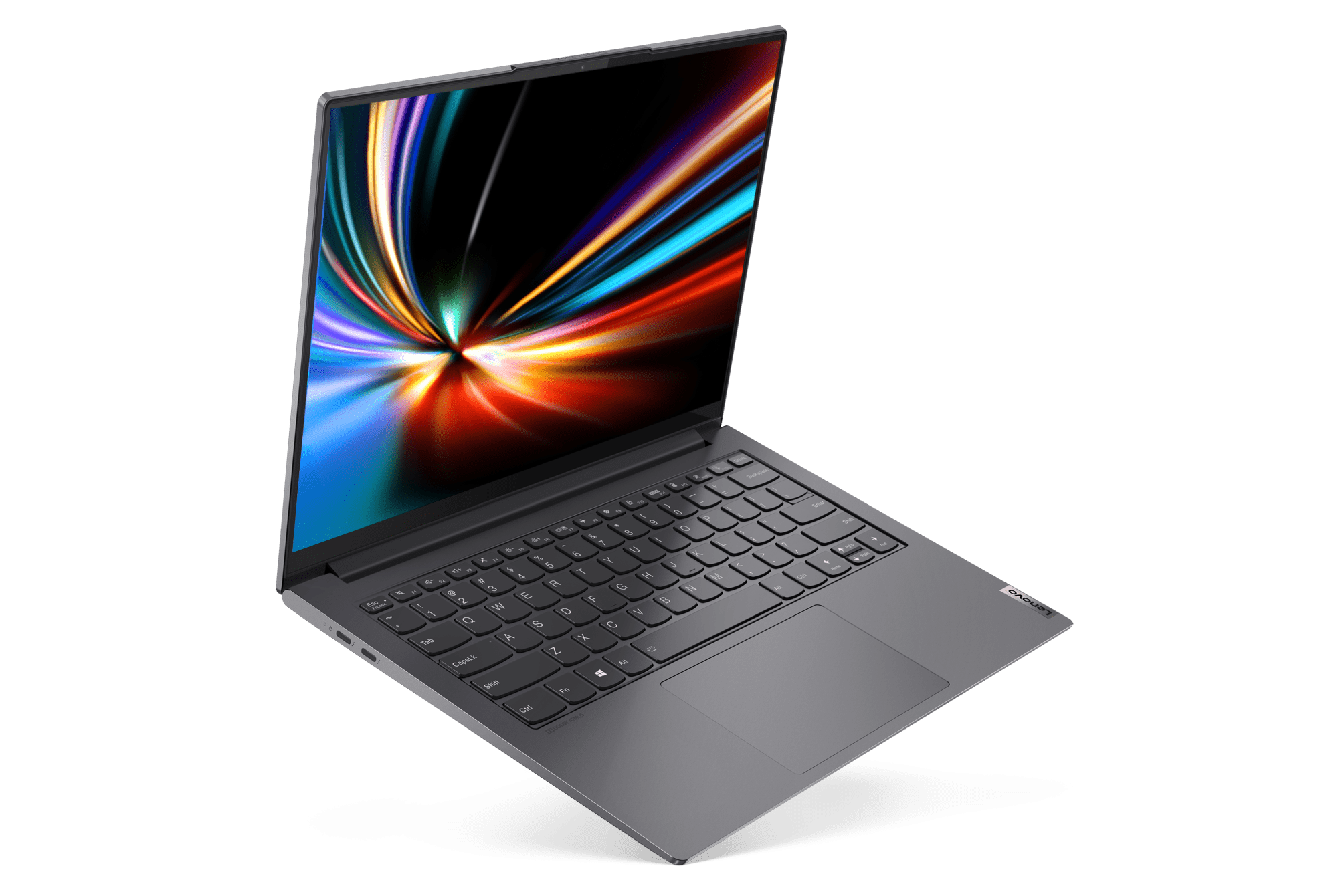
Particularly intriguing is the surfacing of a “Core Ultra X9 378H” processor. While Intel typically adheres to a structured naming convention (Ultra 5, 7, and 9), the “X9” designation suggests a specialized, high-binning chip designed for extreme performance. Some reports indicate this processor has appeared in ultra-premium Lenovo configurations, with some specialized builds reaching price points as high as $15,000, catering to enterprise clients and specialized research institutions.
The inclusion of Panther Lake earlier than some analysts expected suggests a tight integration between Intel and Lenovo to capture the AI PC market share. The focus here is on “performance per watt,” ensuring that the Core Ultra X9 can maintain high clock speeds for complex computations while remaining viable for mobile use.
ThinkPad X13 Gen 7: AMD Ryzen AI Pro 400 and Ultra-Light Design
While the 14-inch workstations push the ceiling of power, the ThinkPad X13 Gen 7 is pushing the floor of weight. The new generation of the X13 is reportedly striking a balance between extreme portability and professional-grade AI capability, weighing in at approximately 0.93 kg. This makes it one of the lightest professional-grade laptops in Lenovo’s current portfolio.
Under the hood, the X13 Gen 7 leverages the AMD Ryzen AI Pro 400 series. This silicon is built on the “Strix Point” architecture, which significantly boosts the TOPS (Tera Operations Per Second) available to the NPU. For the business user, this translates to better battery life during AI-enhanced video conferencing, faster local document summarization, and improved security through hardware-level AI monitoring.
The transition to the Ryzen AI Pro 400 series allows the X13 to maintain its reputation as a “road warrior” machine while offering the computational headroom necessary for the next wave of Windows AI features. The 0.93 kg weight is a particular victory for engineering, suggesting the use of advanced magnesium-carbon alloys to maintain the legendary ThinkPad durability without adding bulk.
Why This Matters: The Era of the Local AI Workstation
The convergence of 96GB of RAM, Panther Lake, and Ryzen AI Pro 400 processors marks the end of the “thin-and-light” era and the beginning of the “compact-and-capable” era. For years, the trade-off was simple: if you wanted power, you accepted a heavy laptop; if you wanted portability, you accepted limited RAM and a weaker CPU.
Lenovo is breaking this dichotomy. The ability to run complex AI workloads locally—rather than sending data to a cloud server—is a primary requirement for industries with strict data privacy mandates, such as healthcare, law, and government defense. A laptop with 96GB of RAM can host larger quantized versions of LLMs, allowing a professional to have a sophisticated AI assistant that works entirely offline.
the competition between Intel’s Panther Lake and AMD’s Ryzen AI Pro is driving a rapid acceleration in NPU development. This “silicon war” benefits the end-user through faster iteration cycles and more competitive pricing for high-end hardware.
Key Technical Specifications Comparison
To understand the scale of these updates, it is helpful to compare the trajectories of the new 14-inch powerhouse and the ThinkPad X13 Gen 7.
| Feature | 14″ Powerhouse (Workstation) | ThinkPad X13 Gen 7 (Ultra-Portable) |
|---|---|---|
| Max RAM | Up to 96GB LPDDR5x | Configurable Pro-grade RAM |
| Display | OLED up to 120Hz | Low-power Professional Panel |
| Processor | Intel Core Ultra (incl. X9 378H) | AMD Ryzen AI Pro 400 |
| Weight | Standard 14″ Chassis | Approx. 0.93 kg |
| Primary Use | AI Dev / Data Science / Creative | Executive / Mobile Professional |
For those looking to upgrade, these devices represent the cutting edge of 2026 hardware. The availability of the Core Ultra X9 configurations may be limited to specific enterprise channels, while the ThinkPad X13 Gen 7 is expected to be the mainstay for corporate fleet deployments.
The next confirmed checkpoint for Lenovo’s hardware roadmap will be the official quarterly product briefing, where the company is expected to finalize the regional pricing and availability for the Panther Lake-equipped models. We will continue to monitor these releases as they hit the global market.
Do you think 96GB of RAM is overkill for a 14-inch laptop, or is it a necessity for the AI era? Let us know your thoughts in the comments below.
Related reading