
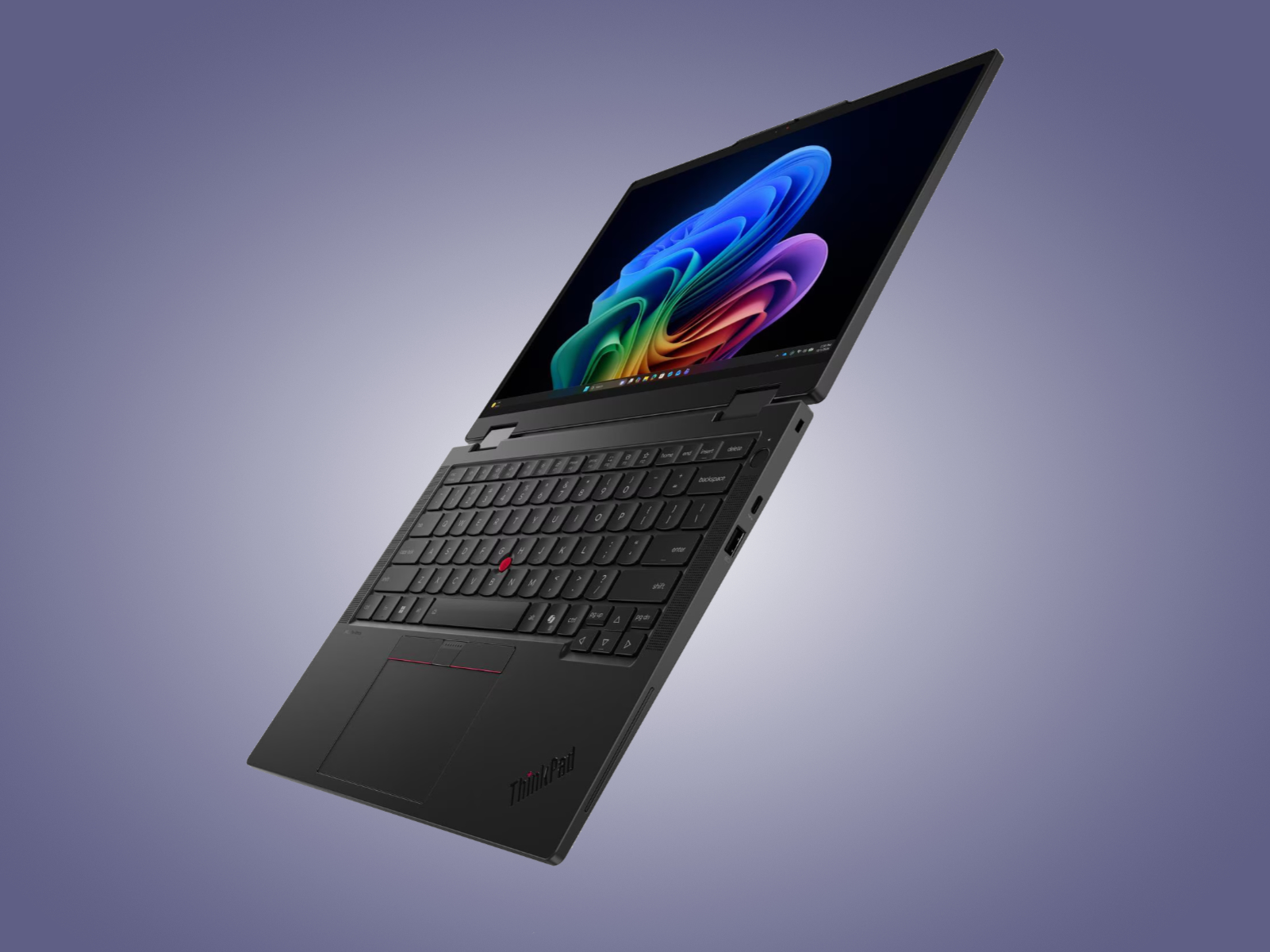
Lenovo is making a decisive move to lead the “AI PC” era, unveiling a significant expansion of its legendary ThinkPad portfolio designed for the next generation of enterprise computing. The announcement marks a strategic shift toward hardware that is not just capable of running AI applications, but is fundamentally architected to support them through dedicated silicon and massive memory overhead.
At the heart of this refresh is a new suite of 14-inch laptops that bridge the gap between ultra-portable mobility and workstation-class performance. By integrating high-capacity memory configurations—reaching up to 96GB of RAM in select models—and advanced OLED display technology, Lenovo is targeting a growing class of “hybrid professionals” who require heavy-duty computational power for local AI processing, data analysis, and creative workflows while on the move.
The 2026 ThinkPad lineup arrives at a critical inflection point for the industry. As enterprise software increasingly leans on Neural Processing Units (NPUs) to handle tasks like real-time language translation, advanced meeting assistance, and local large language model (LLM) execution, the hardware requirements for the modern office have shifted. Lenovo’s latest offerings are a direct response to this evolution, prioritizing the specialized hardware necessary to make artificial intelligence a seamless part of the daily workflow.
High-Performance Specs: From 96GB RAM to 120Hz OLED Displays
One of the most striking technical leaps in the new 14-inch ThinkPad models is the approach to memory. While 16GB or 32GB has long been the standard for business laptops, Lenovo is pushing the envelope with configurations offering 64GB and even 96GB of RAM. This massive increase in memory bandwidth and capacity is specifically designed to accommodate the high memory footprints of modern AI workloads, allowing users to run complex models locally without relying solely on cloud-based latency.

Complementing this raw power is a significant upgrade to the visual experience. Lenovo is introducing high-fidelity OLED panels across several key models, featuring refresh rates of up to 120Hz. This combination ensures that whether a user is reviewing high-resolution data visualizations or engaging in intensive video conferencing, the experience is fluid, color-accurate, and easy on the eyes—a vital consideration for professionals spending long hours in front of their screens.
For users who rely on tactile input for digital whiteboarding, notation, or design, Lenovo has also integrated enhanced stylus support within certain 14-inch models. This integration caters to the increasing demand for “pen-to-paper” digital workflows in a hybrid work environment, ensuring that the ThinkPad remains a versatile tool for both traditional typing and creative interaction.
The AI PC Revolution: Hardware Designed for Intelligence
The “AI-powered” label used by Lenovo is more than a marketing buzzword; it represents a fundamental change in the underlying architecture of the ThinkPad series. These new machines are built around processors equipped with dedicated NPUs, designed to offload AI-specific tasks from the CPU and GPU. This specialization leads to several key advantages for the enterprise:
- Enhanced Privacy and Security: By processing AI tasks locally on the NPU rather than sending data to the cloud, sensitive corporate information remains within the device’s secure perimeter.
- Improved Power Efficiency: Dedicated AI silicon is significantly more efficient at handling machine learning tasks than general-purpose processors, extending battery life during intensive AI-driven operations.
- Reduced Latency: Local execution allows for near-instantaneous responses in AI-enhanced tools, such as real-time noise cancellation, background blur, and predictive text.
This hardware-first approach to artificial intelligence positions Lenovo to capture a significant share of the enterprise market as companies begin to standardize their fleets around AI-ready machines.
Expanding the Portfolio: X13, L Series, and Specialized Models
While the high-spec 14-inch flagship models grab much of the technical spotlight, Lenovo is also broadening the reach of its AI strategy across the entire ThinkPad ecosystem. The refresh includes updated versions of the X13 and L Series, which are being repositioned with a heavy focus on AI-driven productivity for a wider range of business needs.

The X13 series continues to serve as the go-to for ultra-mobile professionals, now benefiting from the efficiency gains of the latest AI-centric chipsets. Meanwhile, the L Series provides a more scalable, cost-effective entry point for organizations looking to deploy AI-capable hardware across larger departments without the premium price tag associated with the flagship X1 series. This tiered approach ensures that Lenovo can meet the diverse budgetary and performance requirements of global enterprises.
Key Specifications at a Glance
| Feature Category | Specifications / Details |
|---|---|
| Primary Focus | AI-Powered Enterprise Productivity |
| Memory Options | Up to 96GB RAM (optimized for local AI models) |
| Display Technology | OLED with up to 120Hz refresh rate |
| Core Hardware | Processors with integrated NPU support |
| Key Series | ThinkPad X1, X13, L Series, and 14-inch Flagships |
| Input Features | Integrated stylus support in select models |
As the industry moves toward a future where artificial intelligence is no longer an add-on but a core component of computing, Lenovo’s heavy investment in high-spec, AI-ready ThinkPads signals a clear intention to define the standard for professional hardware. The combination of massive memory, high-refresh OLED displays, and dedicated AI silicon creates a formidable platform for the next decade of digital work.
We expect further details regarding regional availability, specific pricing tiers, and deep-dive benchmarks for these new models to be released in the coming months. Stay tuned to World Today Journal for our upcoming hands-on reviews and technical analysis.
What do you think about the shift toward 96GB of RAM in mobile laptops? Is local AI processing a game-changer for your workflow? Let us know in the comments below and share this article with your network.