
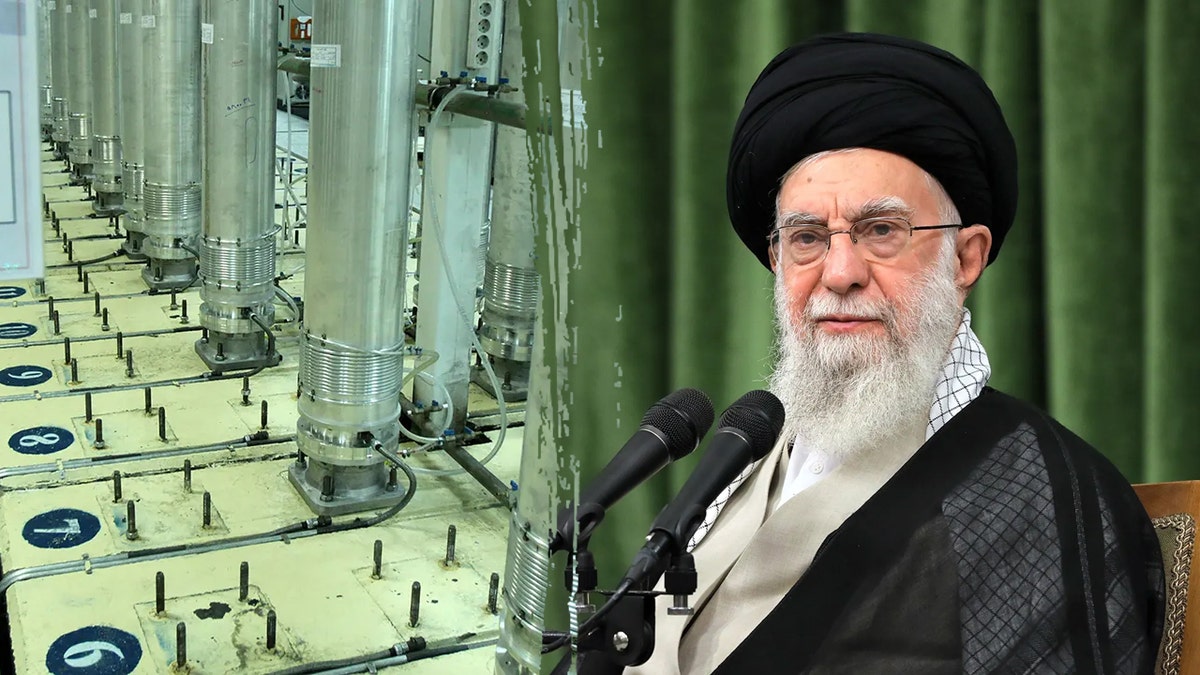
President Donald Trump has reiterated his criticism of Pope Leo XIV regarding Iran’s nuclear ambitions, stating that This proves “unacceptable” for Iran to possess nuclear weapons.
In a Truth Social post on Tuesday night, Trump said, “Will someone please tell Pope Leo that Iran has killed at least 42,000 innocent, completely unarmed, protesters in the last two months, and that for Iran to have a Nuclear Bomb is absolutely unacceptable.” This follows his earlier criticism of the pope for being “weak on crime” and comments suggesting the pontiff was unaware of Iran’s repressive actions against its own people.
Pope Leo XIV responded during a flight to Algeria on April 13, 2026, stating, “I have no fear of the Trump administration,” and affirming his commitment to speak out against war even as promoting dialogue and multilateral solutions to conflicts. The pontiff has consistently called for a ceasefire and urged dialogue to resolve the Middle East conflict, including tensions with Iran.
The exchange highlights ongoing tensions between the U.S. Administration and the Vatican over Iran’s nuclear program, with Trump maintaining a hardline stance against any Iranian nuclear capabilities while the pope advocates for peaceful resolution through international dialogue.
Trump’s Stance on Iran’s Nuclear Program
Trump has maintained a consistent position that Iran must not be allowed to develop nuclear weapons, a stance he reiterated in his recent social media posts. His administration has pursued policies aimed at preventing nuclear proliferation in the region, including sanctions and diplomatic pressure on Iran.

The U.S. President’s criticism of Pope Leo XIV stems from the pontiff’s public calls for peace and dialogue in the Middle East, which Trump interprets as being insufficiently firm against Iran’s nuclear ambitions. Trump has suggested that the pope’s position fails to adequately address what he views as Iran’s aggressive actions, including alleged human rights violations.
Analysts note that this disagreement reflects broader philosophical differences between the Trump administration’s approach to international security and the Vatican’s emphasis on diplomacy and humanitarian concerns in conflict resolution.
Vatican Position on Middle East Peace
Pope Leo XIV has positioned himself as a advocate for peaceful resolution of international conflicts through dialogue and multilateral cooperation. During his recent trip to Algeria, the pontiff emphasized the importance of building bridges between nations to address regional tensions.
The Vatican’s approach to the Iran situation focuses on encouraging diplomatic engagement rather than confrontation, with the pope stating that sustainable solutions require listening to all parties involved in the conflict. This stance aligns with the Catholic Church’s longstanding tradition of promoting peace and social justice in international affairs.
Church officials have clarified that the pope’s position does not constitute support for Iran’s nuclear program but rather reflects a belief that dialogue offers the best path to preventing escalation and addressing root causes of regional instability.
International Reaction to the Exchange
The public disagreement between Trump and Pope Leo XIV has drawn attention from international observers, with some noting the unusual nature of a sitting U.S. President engaging in such direct criticism of a religious leader.
Religious leaders and commentators have expressed concern over the tone of the exchange, while others have noted that differing views on foreign policy between political and religious figures are not unprecedented. The Vatican has maintained a measured response, focusing on the substantive issues rather than engaging in personal exchanges.
International diplomatic circles continue to monitor the situation closely, as the U.S.-Iran relationship remains a significant factor in regional stability and global non-proliferation efforts.
What This Means for U.S.-Vatican Relations
While the current exchange represents a point of tension, analysts suggest that the fundamental relationship between the United States and the Vatican remains intact, with both parties continuing to engage on various global issues including humanitarian efforts, climate change, and international development.
The disagreement appears to be policy-specific rather than indicative of a broader rupture in relations, with both sides maintaining channels of communication on matters of mutual interest. Diplomatic protocols typically allow for such policy disagreements without damaging the overall bilateral relationship.
Observers note that future interactions between the two parties will likely continue to involve discussions on peace initiatives, humanitarian concerns, and global challenges where their perspectives may align or differ.
As of now, there are no announced plans for direct high-level meetings between Trump and Pope Leo XIV to address their differing views on Iran policy, though both continue to engage with their respective audiences on the issue through public statements.