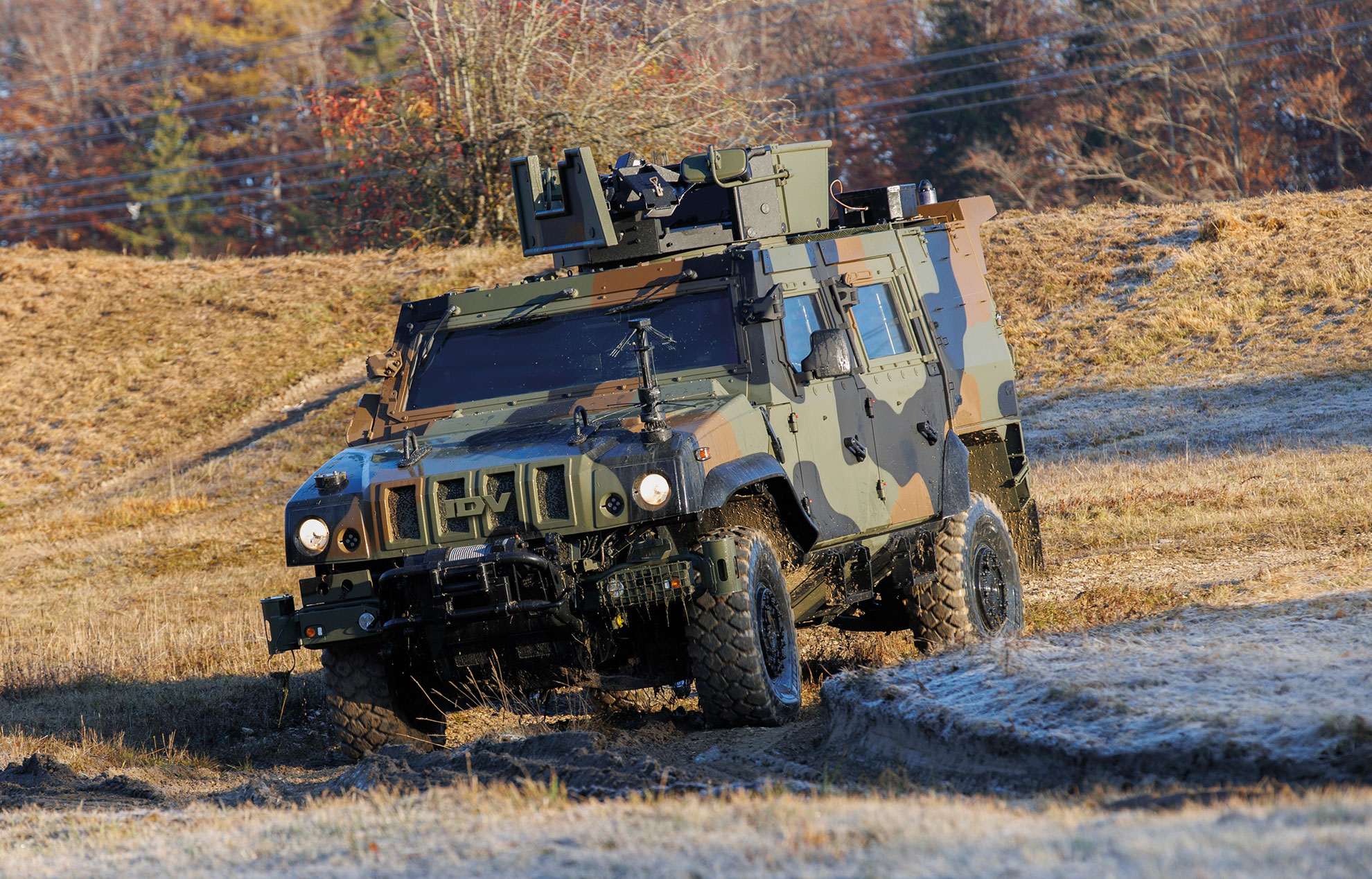
London, UK – March 20, 2026 – Leonardo S.p.A. Has finalized its acquisition of Iveco Defence Vehicles (IDV), a move poised to reshape the European defense landscape. The deal, valued at approximately €1.7 billion ($1.9 billion), clears the path for Rheinmetall AG to subsequently acquire Iveco’s military truck operations, though that handover is now facing delays. This complex series of transactions underscores the ongoing consolidation within the defense industry and signals a strategic realignment for all parties involved.
The completion of the Leonardo-Iveco Defence Vehicles acquisition, first revealed in 2025, has been subject to regulatory approvals and the separation of assets. As confirmed by multiple sources, including Leonardo’s own press release on July 30, 2025, the closing occurred in the first quarter of 2026, as anticipated. Morgan Stanley & Co. International Plc served as Leonardo’s financial advisor, while Bonelli Erede provided legal counsel throughout the process. This acquisition significantly expands Leonardo’s capabilities in the land systems sector, adding Iveco’s extensive portfolio of military vehicles and technologies to its existing offerings.
Strategic Implications of the Acquisition
The acquisition of Iveco Defence Vehicles is a significant step for Leonardo, bolstering its position as a leading player in the European defense market. Iveco’s military truck unit produces a range of logistics and tactical vehicles, including the Eurocargo and Modular Military Range trucks in various configurations (four-wheel, six-wheel, eight-wheel, and ten-wheel), as well as heavy-duty ASTRA chassis designed for specialized military systems. These vehicles are currently used by armed forces across the globe, and the addition of this capability will allow Leonardo to offer a more comprehensive suite of land defense solutions.
However, the deal’s completion doesn’t mark the end of the story. Rheinmetall’s plan to acquire Iveco’s military truck operations from Leonardo is now delayed, as reported by Reuters and The Defense Post. Rheinmetall CEO Armin Papperger has directly attributed the delay to the completion of the Leonardo-Iveco deal, stating that negotiations cannot begin until Leonardo formally finalizes its purchase. Papperger indicated weekly contact with Leonardo to monitor the situation, but the handover, previously expected by the end of March, is now uncertain.
Rheinmetall’s Delayed Acquisition and Broader Restructuring
Rheinmetall’s interest in Iveco’s military truck business is substantial. The acquisition would complement Rheinmetall’s existing portfolio of military vehicles and systems, further strengthening its position in the armored vehicle and logistics sectors. The delay, however, impacts Rheinmetall’s strategic timeline and potentially affects its ability to capitalize on emerging opportunities in the defense market. As MarketScreener reported on March 11, 2026, Papperger acknowledged the delay during an analyst call, emphasizing the direct link to the Leonardo-Iveco transaction.
The restructuring at Iveco extends beyond the defense sector. The company is also pursuing the sale of its civilian automotive operations to India’s Tata Motors for €3.8 billion ($4.3 billion). This broader restructuring reflects Iveco’s strategic shift towards focusing on its core strengths and streamlining its business operations. The sale of both the defense and civilian automotive divisions represents a significant transformation for the Italian industrial group.
Impact on the Romanian Armed Forces
The timing of these acquisitions also has implications for ongoing defense contracts. Currently, Iveco is engaged in a significant contract with Bucharest for the delivery of 860 tactical trucks for the Romanian Armed Forces, as part of a larger initiative launched in 2019 to procure 2,900 vehicles. The completion of the Leonardo acquisition and the subsequent potential transfer to Rheinmetall will necessitate careful coordination to ensure a seamless transition and continued fulfillment of this contract. The Romanian Ministry of Defence will likely be closely monitoring the situation to safeguard its procurement plans.
Financial Details and Advisor Roles
The €1.7 billion price tag for Iveco Defence Vehicles reflects the strategic value of the business and its potential for future growth. Leonardo’s acquisition is financed through a combination of internal resources and external funding. The involvement of Morgan Stanley as Leonardo’s financial advisor underscores the complexity and significance of the transaction. Bonelli Erede’s legal expertise was crucial in navigating the regulatory hurdles and ensuring a smooth closing. The financial implications of the deal will be closely watched by investors and analysts, as it impacts Leonardo’s financial performance and strategic positioning.
Key Takeaways
- Leonardo has successfully completed the acquisition of Iveco Defence Vehicles for approximately €1.7 billion.
- The acquisition strengthens Leonardo’s position in the European defense market and expands its land systems capabilities.
- Rheinmetall’s planned acquisition of Iveco’s military truck operations from Leonardo is currently delayed, pending the full completion of the initial transaction.
- Iveco is undergoing a broader restructuring, including the sale of its civilian automotive operations to Tata Motors.
- The deal has implications for ongoing defense contracts, such as the supply of tactical trucks to the Romanian Armed Forces.
The completion of the Leonardo-Iveco Defence Vehicles deal marks a pivotal moment in the European defense industry. While the delay in Rheinmetall’s acquisition adds a layer of complexity, the overall strategic rationale remains compelling. The consolidation of capabilities and resources will likely lead to increased innovation and efficiency in the sector. The next key development to watch will be the formal commencement of negotiations between Leonardo and Rheinmetall regarding the transfer of Iveco’s military truck business, a process that will undoubtedly be closely scrutinized by industry stakeholders and regulatory authorities alike.
The situation remains fluid, and further updates will be provided as they become available. We encourage readers to share their thoughts and insights in the comments section below.